Why Cardio Stopped Working: Strength Training for Women Over 30
I remember the exact morning I realized my metabolism had officially checked out. I was thirty-two, staring at a treadmill screen that claimed I'd burned 400 calories, yet my jeans were tighter than they were a month ago. I was doing everything 'right'—the salads, the orange-theory-style sprints, the light dumbbells—and I was just getting tired, not lean. The reality is that strength training for women over 30 isn't just a hobby; it is a biological necessity if you want to stop the metabolic slide.
- Cardio burns calories while you do it, but muscle burns calories while you sleep.
- Hormonal shifts in your thirties make muscle retention harder and fat storage easier.
- Heavy lifting takes less time than long-distance running, which is a win for busy schedules.
- Bone density starts to peak and then decline; lifting heavy is your insurance policy.
The Dirty Secret About Your Thirties and Exercise
In your twenties, you can survive on caffeine and a few runs a week. Once you hit thirty, the game changes. Your body starts a slow process of losing muscle mass—sarcopenia—and your cortisol levels often spike because of career stress or parenting. When you add high-intensity cardio to that mix, you're just pouring gasoline on a hormonal fire.
I spent years thinking that if I just ran more, I'd look like I did at twenty-two. I didn't. I just looked 'skinny fat' and felt exhausted. Your thirties are when the 'eat less, move more' mantra fails because your body is smarter than your calorie-counting app. It wants to hold onto fat and burn through muscle unless you give it a reason not to. That reason is heavy tension.
What Real Strength Training for Women in Their 30s Looks Like
Stop reaching for the 5-lb neoprene dumbbells. If you can do 20 reps of an exercise without your form breaking down or your muscles screaming, you aren't building muscle; you're just doing cardio with weights in your hands. Strength training for women in their 30s needs to focus on the 'Big Four': squats, deadlifts, presses, and rows.
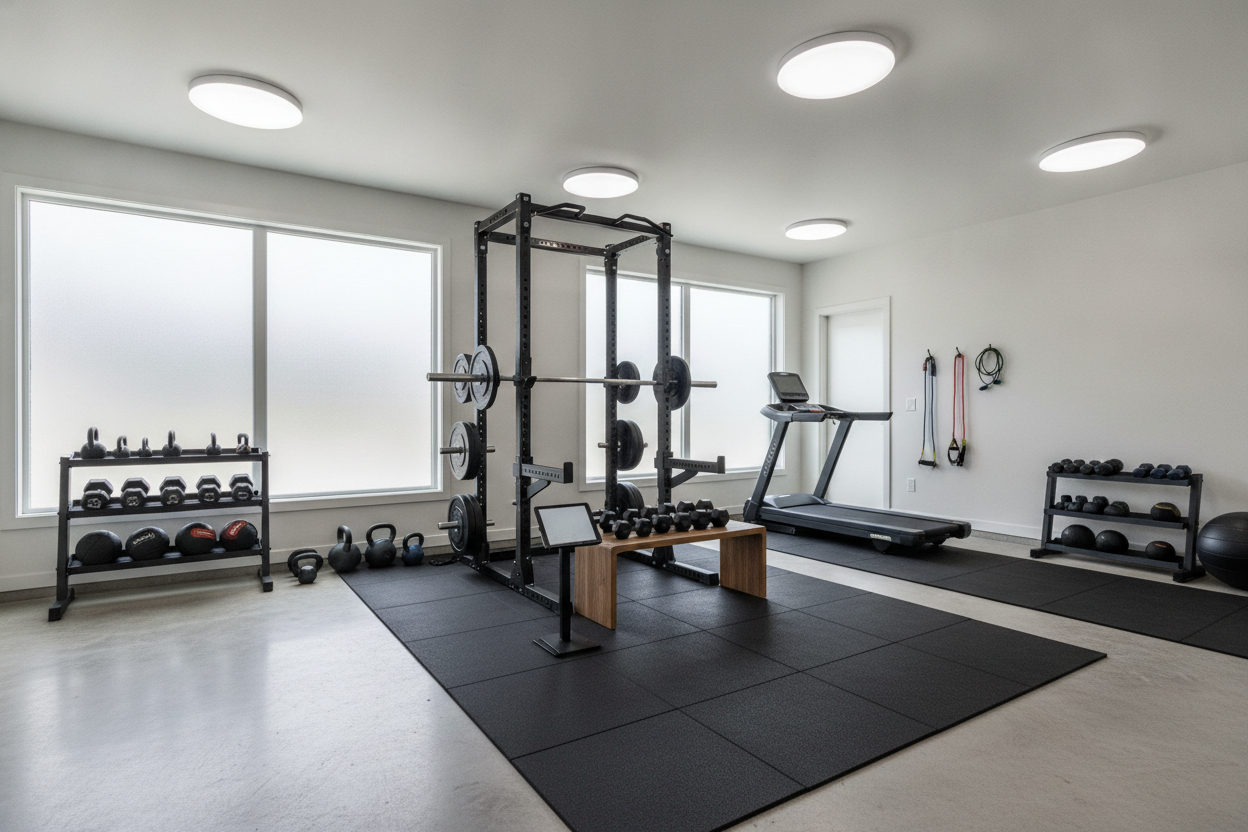
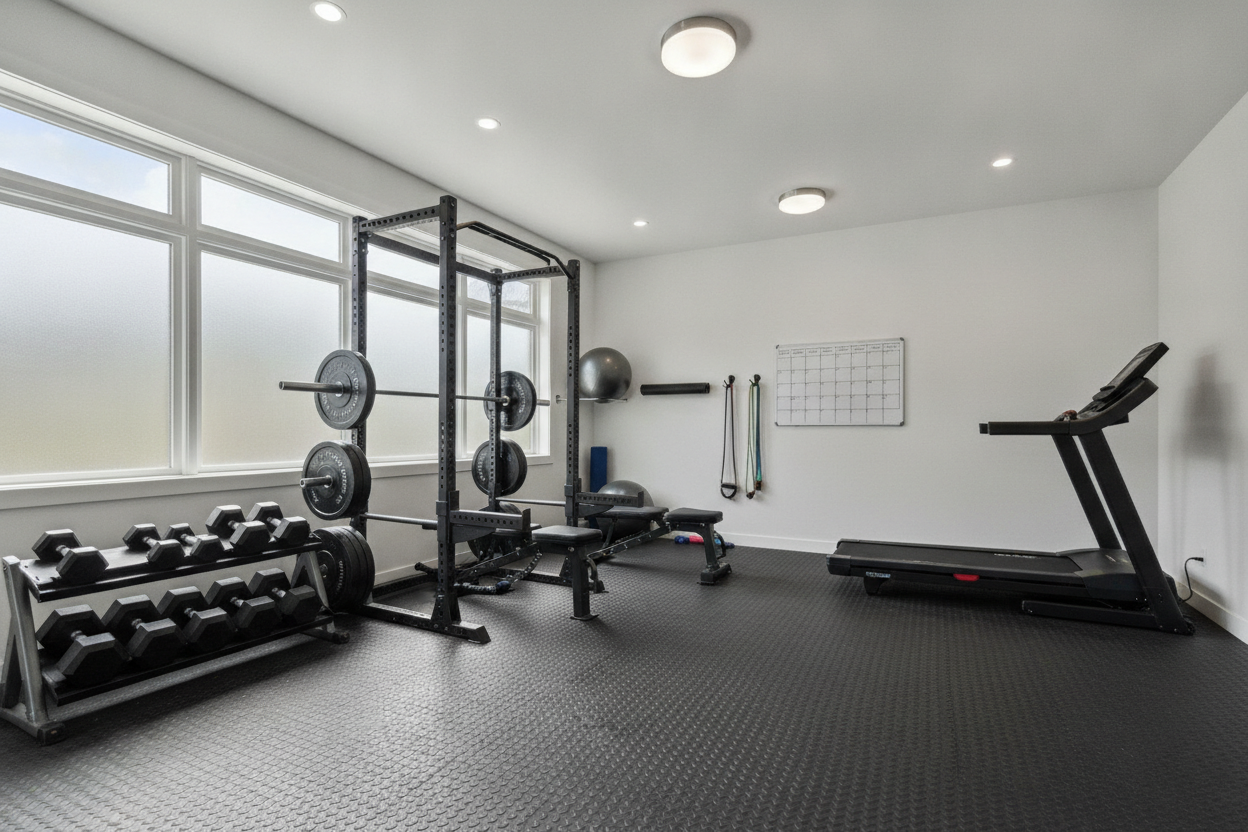
I shifted my garage gym from a yoga space to a power rack setup, and the results were immediate. When you move to quality strength equipment, you start treating your body like a machine rather than a problem to be solved. You don't need a million variations. You need to get progressively stronger at the basics. Five sets of five heavy reps will do more for your physique in forty minutes than two hours on a StairMaster ever will.
Setting Up a Home Gym That Actually Fits Your Life
The biggest barrier to strength training for women in 30s is time. If I have to drive twenty minutes to a commercial gym to wait for a squat rack, I'm not going. I built my setup in a 10x10 corner of my garage. You need a solid barbell, about 160 lbs of plates to start, and a sturdy rack. That is it.
Once you have the big stuff, you can round things out with strength training accessories like resistance bands for mobility or a set of fractional plates. I’m a huge fan of 1.25-lb plates. In your thirties, you won't be adding 10 lbs to your bench press every week. Small, incremental wins are what keep you from hitting a plateau or getting discouraged.
Protect Your Joints (And Your Floors)
If you are deadlifting 150 lbs in a spare bedroom or a garage, you cannot just drop that on bare concrete or carpet. Your joints will feel the vibration, and your subfloor will eventually crack. I learned this the hard way after a particularly heavy set of Romanian deadlifts left a nice divot in my plywood. Investing in a durable gym flooring mat is non-negotiable. It absorbs the shock so your knees don't have to, and it keeps the noise down so you don't wake up the kids during a 6:00 AM session.
How Strength Training for Women Over 35 Prepares You for the Next Decade
By the time you hit thirty-five, you aren't just training for aesthetics. You are training for perimenopause. Strength training for women over 35 is about building a 'muscle buffer.' Muscle is metabolically active tissue that helps manage blood sugar and insulin sensitivity, which often go haywire as estrogen starts to fluctuate.
I’ve seen women in my gym go from fearing the barbell to craving the feeling of a heavy deadlift. It changes your posture, your confidence, and your bone density. If you start now, you aren't just fixing a stalled metabolism; you're setting the foundation for your forties. If you want to see where this leads, check out this strength training program for women over 40 to see the long-term roadmap. The goal is to be the strongest person in the room at fifty, not the one who spent the most time on a treadmill.
My Honest Experience
I used to be a 'cardio queen.' I owned three different pairs of running shoes and exactly zero pieces of iron. When I started lifting, I bought a cheap, bolt-together rack from a big-box store. It wobbled every time I racked the bar, and it honestly scared me away from going heavy. My mistake was thinking 'beginner' meant 'cheap gear.' Once I upgraded to a rack with 11-gauge steel and real 5/8-inch hardware, my confidence skyrocketed. Don't buy gear that makes you feel unsafe; you'll never use it.
FAQ
Will lifting heavy make me look bulky?
No. Women don't have the testosterone levels to accidentally turn into a bodybuilder. You’ll just look 'toned,' which is actually just muscle with a low enough body fat percentage to see it.
How many days a week do I need to lift?
Three days is the sweet spot. It allows for enough intensity to see results while giving your central nervous system time to recover, which is vital as you get older.
Can I start if I have bad knees?
Actually, strength training is often the cure for 'bad knees.' By strengthening the quads, hamstrings, and glutes, you take the pressure off the joint itself. Just start light and prioritize form over weight.