Why Antagonist Supersets Are the Fastest Way to Build Muscle
I used to spend two hours in my garage gym every night. Most of that time wasn't spent lifting; it was spent staring at the wall or scrolling through my phone while waiting for my heart rate to drop. If you're chasing the fastest way to build muscle, you need to realize that long rest periods are usually just wasted opportunities for growth.
The reality is that most of us don't have all day to train. We have kids, jobs, and equipment that needs to be put away so we can park the car. Transitioning to antagonist paired sets was the single biggest shift I made to keep my intensity high without living in the garage.
- Workout Density: You do more work in less time, which is the primary driver of hypertrophy.
- Active Recovery: One muscle group rests while the other works, keeping you fresh for every set.
- Increased Pump: Better blood flow to both sides of a joint leads to skin-splitting pumps.
- Home Gym Freedom: No one is going to steal your bench while you're doing rows.
The Two-Hour Garage Gym Trap
We’ve all been there. You finish a heavy set of bench presses, and you sit. You wait three minutes. You check your email. By the time you start your next set, your focus has dipped and your body has cooled down. This is why you need to stop doing 5 sets of 10 with massive rest intervals if you actually want to see the scale move.
Workout density is the secret sauce. By pairing exercises, you’re essentially cutting your rest time in half without sacrificing the weight on the bar. It’s about being efficient with the limited time you have in your rack. If you're not sweating by the 20-minute mark, you're probably just hanging out, not training.
What Exactly Are Antagonist Paired Sets?
Don't confuse these with those high-rep cardio circuits you see in boot camp classes. Antagonist paired sets involve alternating between two exercises that target opposing muscle groups. Think chest and back, biceps and triceps, or quads and hamstrings.
You perform a set of Exercise A (like a Barbell Row), rest for maybe 60 seconds, and then perform a set of Exercise B (like a Flat Bench Press). This isn't a 'superset' where you go back-to-back with zero rest until you're gasping for air. It’s a strategic pairing that allows one muscle to recover while its 'antagonist' is under load.
The Biology: Why This Is the Fastest Way to Gain Muscle Mass
There is a physiological phenomenon called reciprocal inhibition. When you forcefully contract your triceps, your nervous system sends a signal to your biceps to relax. This isn't just cool trivia; it’s the fastest way to gain muscle mass because it allows for more complete recovery between sets.
By forcing the opposing muscle to relax while the other works, you actually clear metabolic waste faster. I’ve found that I can often lift more weight on my second and third sets of overhead presses if I pair them with pull-ups than if I just sat on a bench waiting. It keeps the nervous system 'on' while the local muscle tissue gets a forced break.
Applying the Opposites Rule to Leg Day
Leg day is usually where people quit on supersets because the systemic fatigue is so high. However, pairing a quad-dominant move like a Goblet Squat with a hamstring-dominant move like a Stiff-Leg Deadlift is the the fastest way to build muscle in your lower body. It balances the joint and prevents that weird 'tightness' you get when you only smash one side of the leg.
When using this science-backed way to build leg muscle, keep your rest periods slightly longer than you would for arms—about 90 seconds. You want your lungs to keep up with your legs. If you're using a power rack, set your safety bars once and use the same barbell for both movements to keep the flow moving.
The Home Gym Advantage: How to Build a Lot of Muscle in Peace
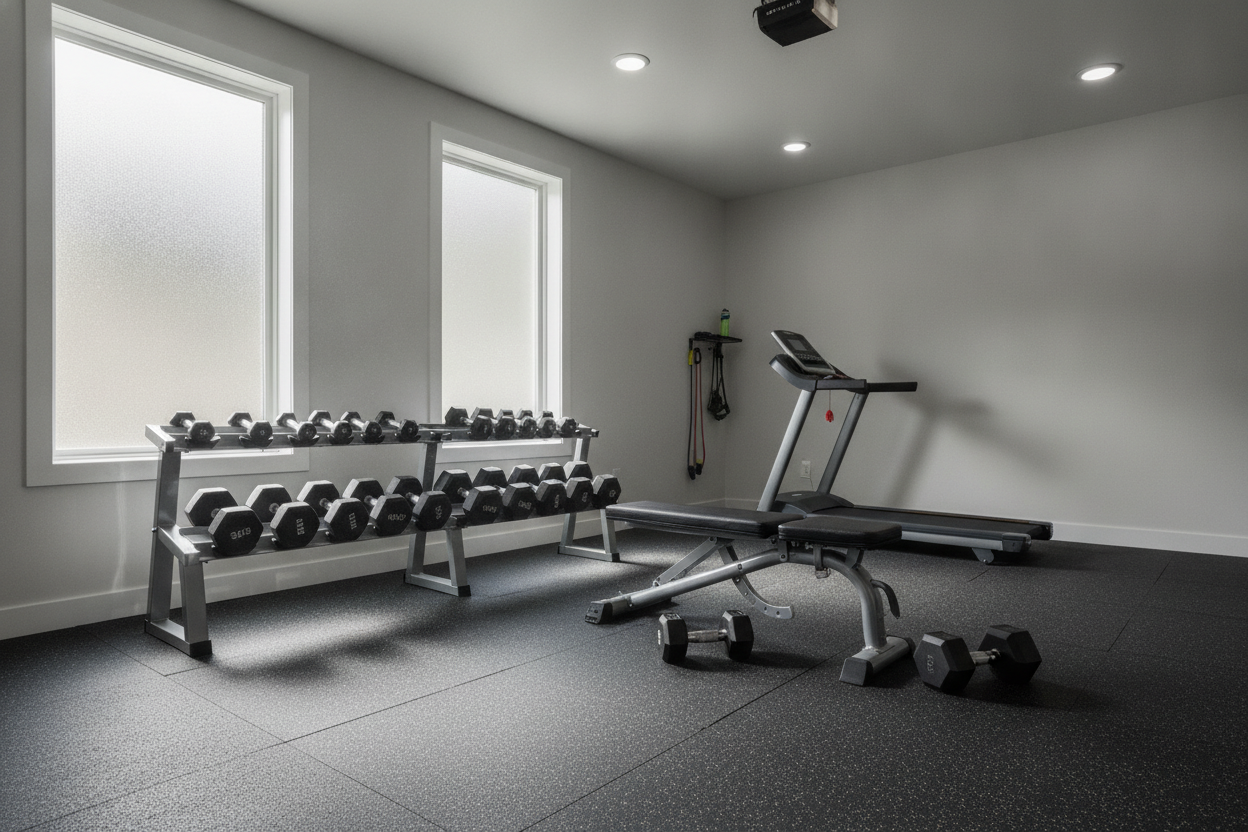
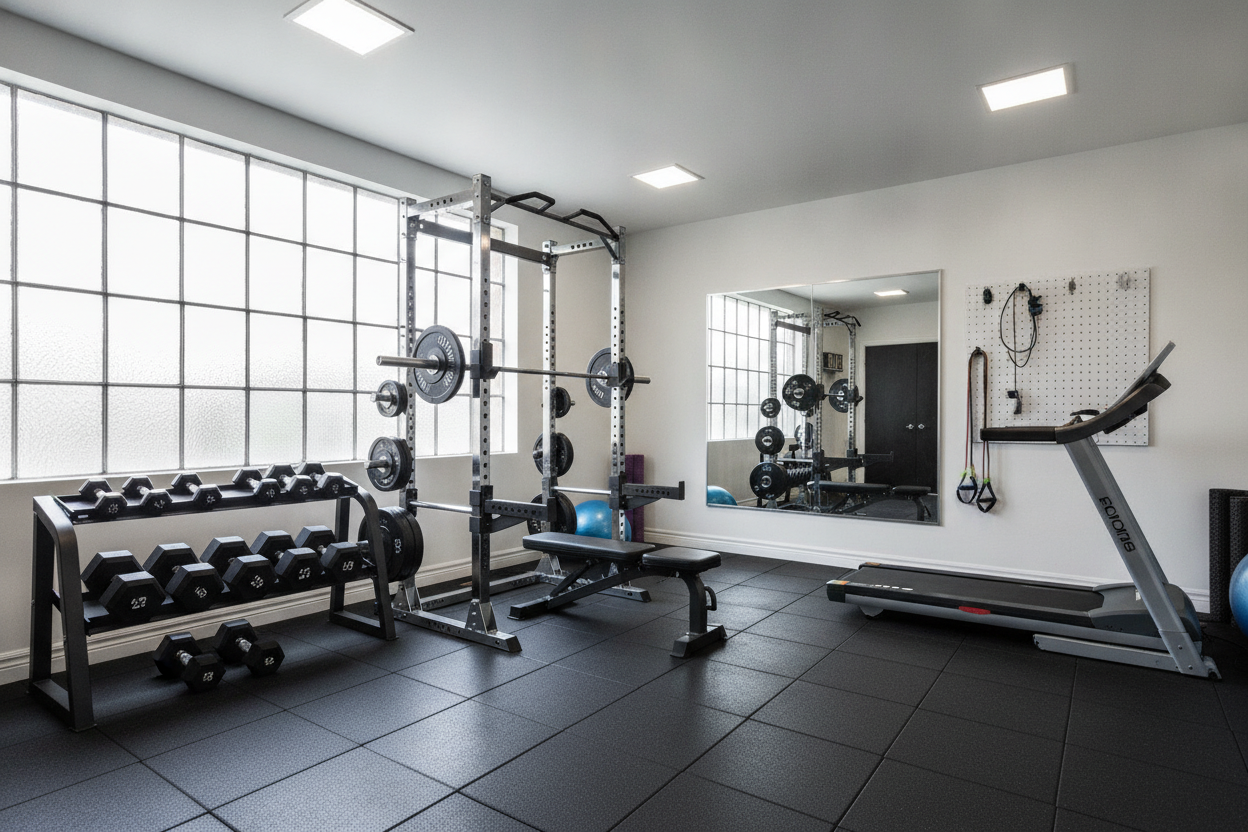
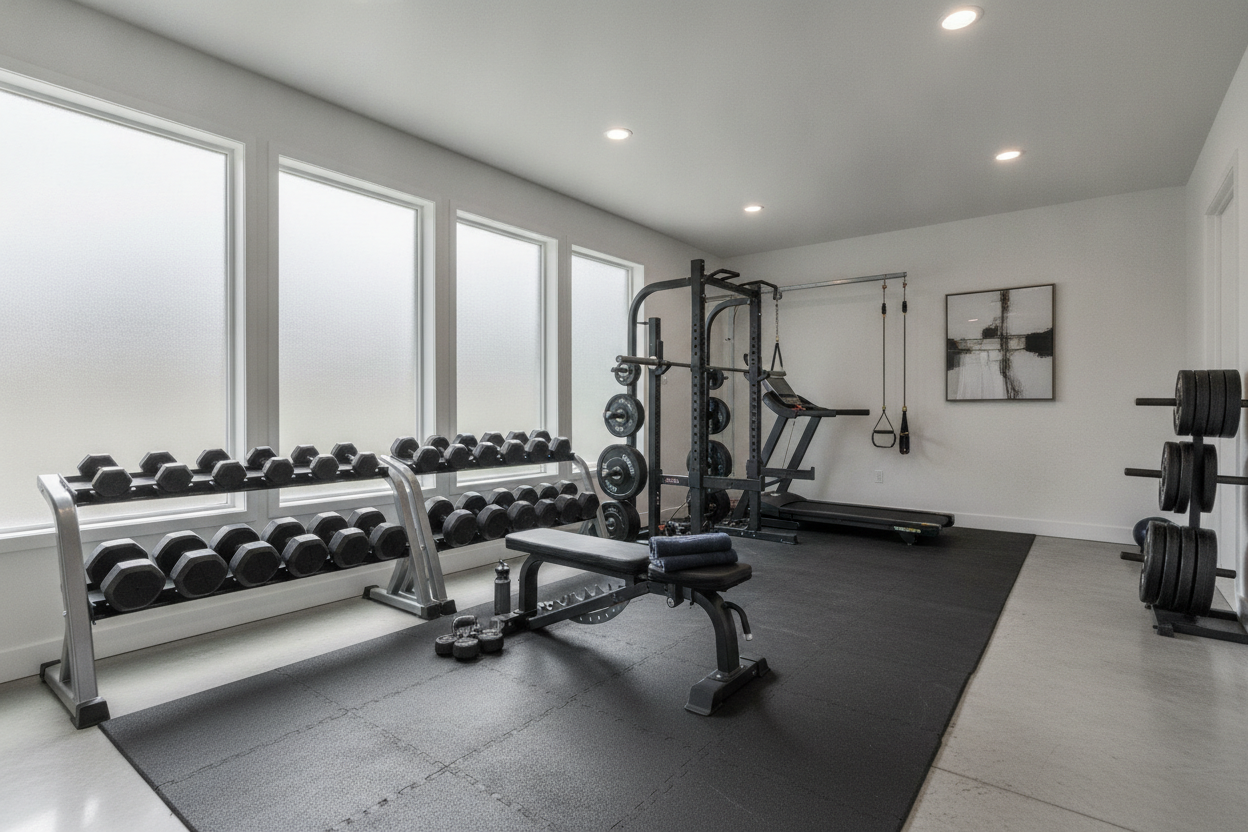
If you tried to do antagonist pairs in a commercial gym, someone would definitely steal your dumbbells the second you turned your back to do a set of rows. This is where the garage gym shines. You have total control over the floor plan. You can set up your bench right next to your pull-up station without feeling like an 'equipment hog.'
To figure out how to build a lot of muscle in a small space, you have to get creative with your layout. I keep my adjustable dumbbells near the foot of my power rack. This allows me to jump from heavy rack pulls right into dumbbell presses without taking more than two steps. Efficiency is the enemy of plateaus.
Don't Slip Up on Sweaty Transitions
When you're moving back and forth between stations, your heart rate is going to be higher than usual. This means more sweat on the floor. I’ve nearly eaten the concrete more than once trying to transition from a heavy row to a bench press because my feet slipped. You need a surface that stays grippy even when it's damp.
I highly recommend investing in extra wide exercise mats to cover your transition zones. Standard 3/4-inch stall mats are great, but having a dedicated, high-traction surface between your 'A' and 'B' stations is a safety necessity. Don't let a slick floor be the reason you miss a PR or, worse, blow out a knee.
FAQ
Do I need to use the same weight for both exercises?
No. Your chest is likely stronger than your back, or vice versa. Use the appropriate weight for the specific rep range of each movement. The goal is the pairing, not matching the plates.
Will this make me lose strength?
Actually, most people find their strength stays higher throughout the workout. Because you aren't just sitting there getting cold, your central nervous system stays primed and ready to fire.
Can I do this for every workout?
You can, but I'd suggest rotating your pairings. If you always pair chest and back, eventually your 'B' exercise might suffer. Swap which one you start with every few weeks to keep things balanced.
What if I only have one barbell?
If the weights are vastly different, it can be a pain to change plates. This is where adjustable dumbbells or a second bar come in handy. If you're stuck with one bar, pair a barbell move with a bodyweight move like dips or pull-ups.