Why Almost Every Workout Book for Women Is Complete Garbage
I walked into a big-box bookstore last week and wandered into the fitness section. It was depressing. Rows of covers featuring women holding tiny lavender dumbbells, smiling like they werenot even working. Finding a legitimate workout book for women shouldn't feel like searching for a needle in a haystack of 'toning' myths and 30-day juice cleanses.
Most publishers treat female readers like they are made of glass. They assume you want to 'shrink' or 'sculpt' without ever breaking a sweat or, god forbid, gaining a pound of functional muscle. I have spent a decade testing equipment and programs, and I can tell you that the physics of hypertrophy do not care about your gender. If a book does not teach you how to move heavy objects, it is a paperweight.
Quick Takeaways
- 'Toning' is a marketing myth; you are either building muscle, losing fat, or both.
- A quality women fitness book must prioritize progressive overload.
- Avoid any manual that suggests three-pound weights for more than a week.
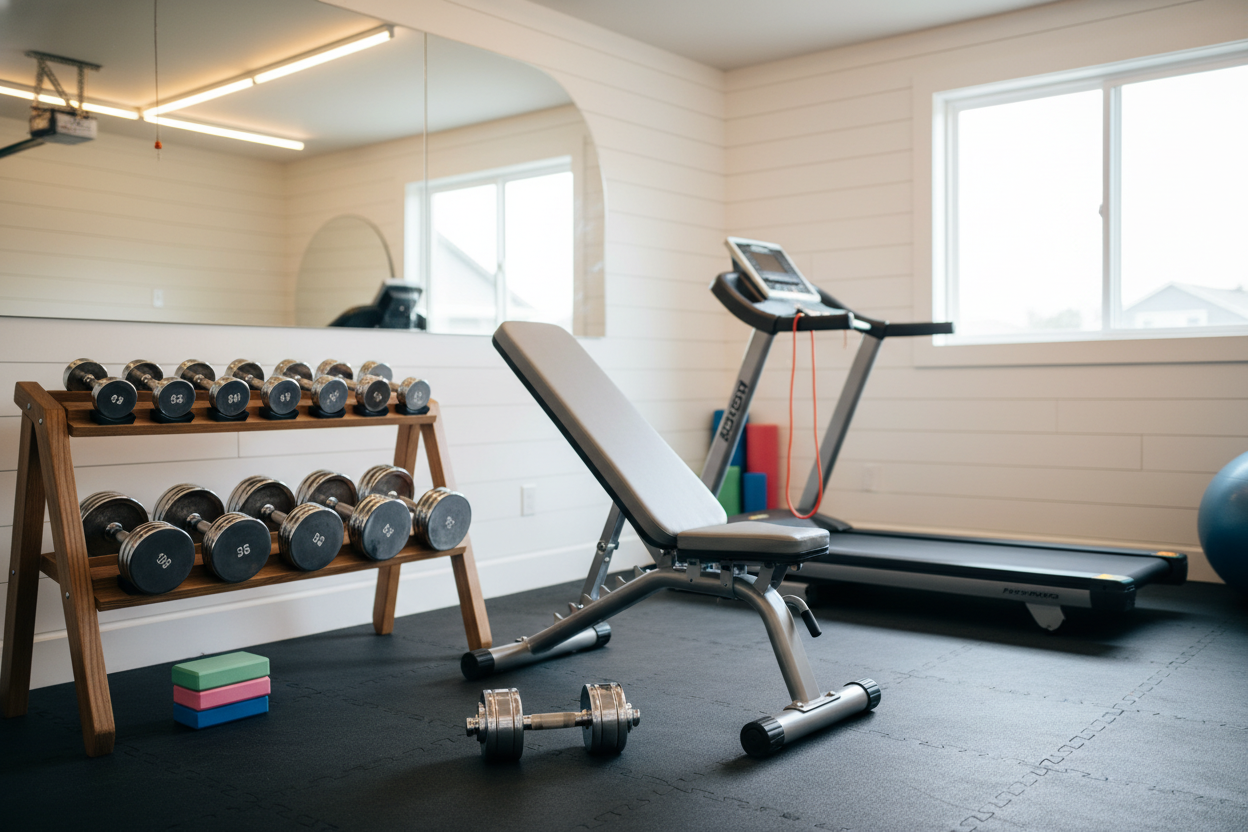
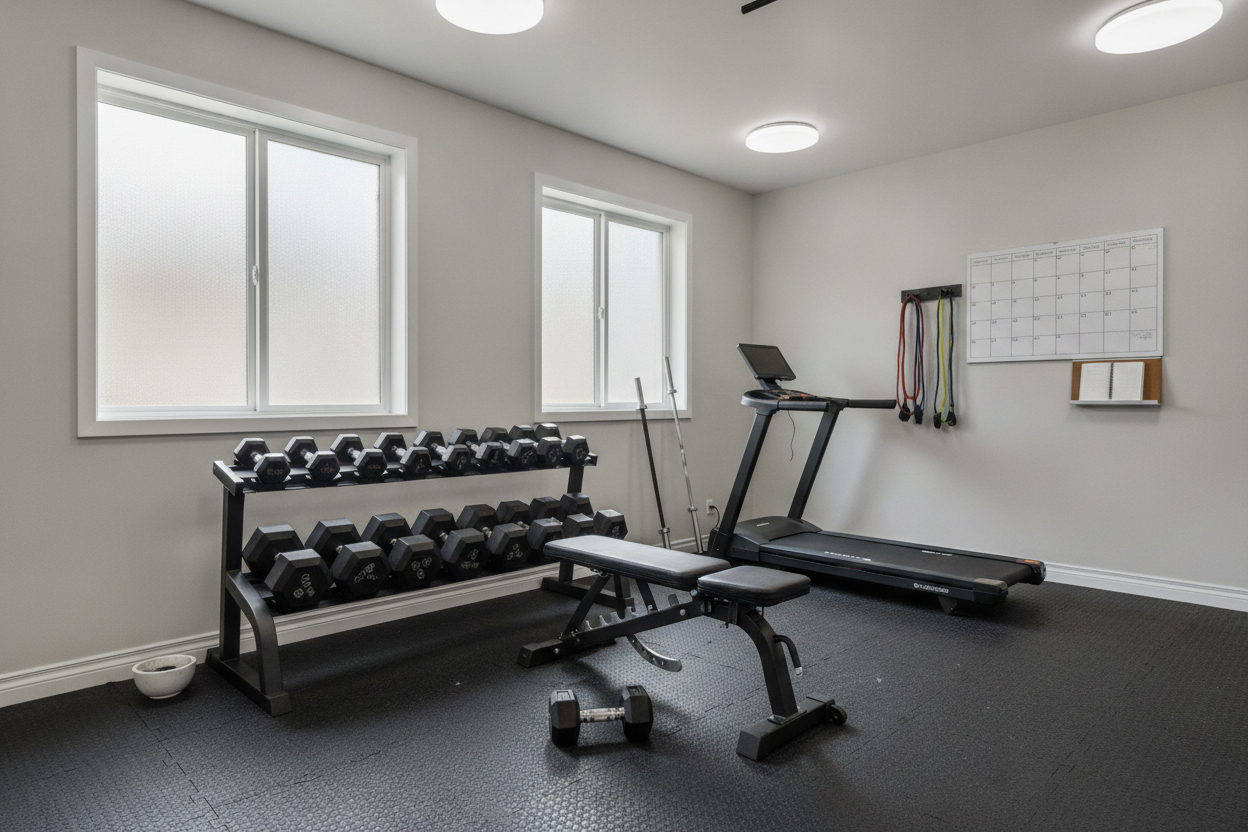
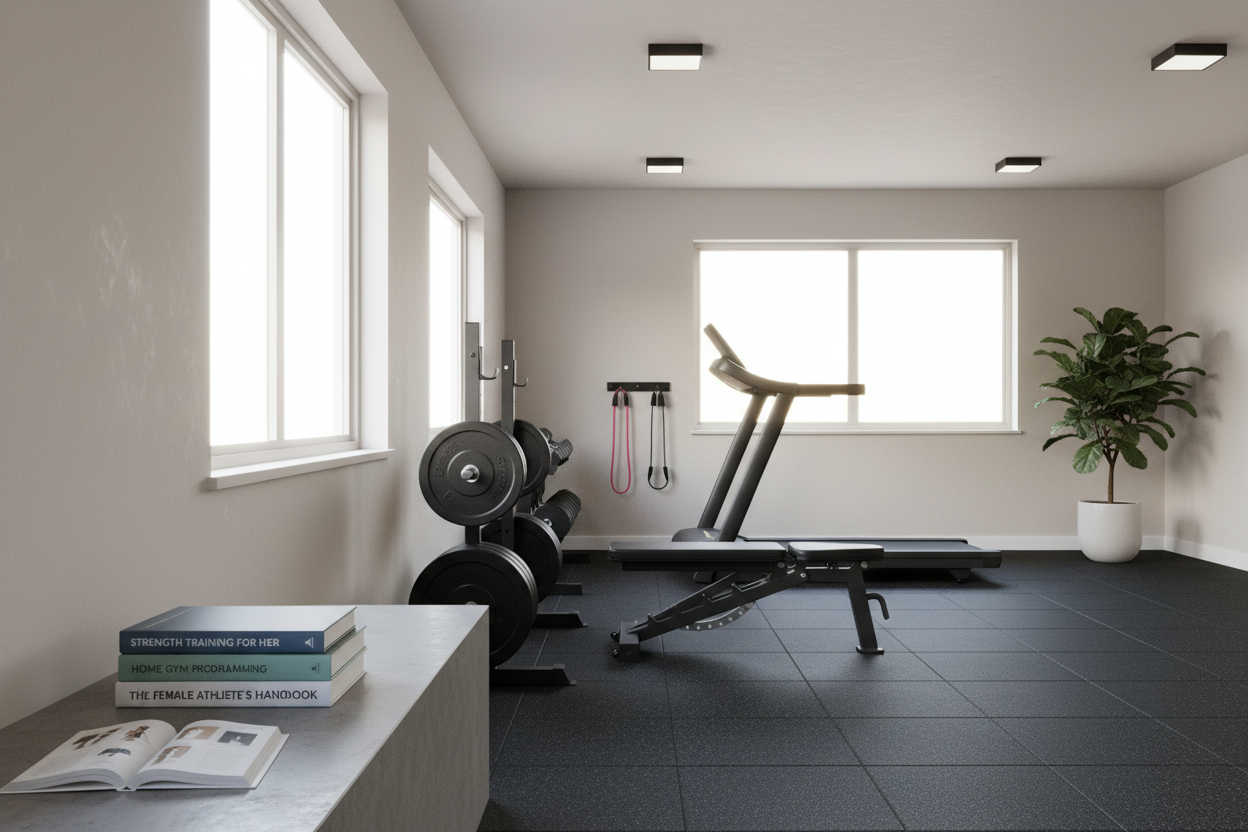
- Your environment matters—proper flooring is the first step to a heavy home lift.
The 'Pink Tax' on Female Fitness Advice
The publishing industry has a massive 'pink tax' problem, and I am not just talking about the price. It is a tax on the quality of information. Most women's workout books are written with the assumption that you are terrified of 'bulking up.' This fear-based marketing keeps women stuck on treadmills and light circuit machines that produce zero long-term metabolic change.
I have seen countless fitness books for women that spend 200 pages talking about 'long, lean muscles.' Biologically, that is not a thing. You can build muscle or you can lose fat. These books peddle high-rep, low-intensity fluff because it is easy to sell, not because it works. It is condescending, and frankly, it is a waste of your time and shelf space.
What a Real Workout Book for Women Actually Teaches
If you are looking for the best fitness books for women, look for three things: progressive overload, compound movements, and a sensible approach to nutrition. A real women workout book should explain the mechanics of a squat, a deadlift, and an overhead press. It should teach you how to track your lifts so that you are lifting more in week twelve than you were in week one.
The best fitness book for women will treat you like an athlete. It will discuss RPE (Rate of Perceived Exertion) and why eating at a slight surplus or maintenance is necessary to actually see the 'definition' everyone is chasing. If the women's fitness book you are holding focuses more on 'detox salads' than it does on protein intake and mechanical tension, put it back on the shelf.
Taking It Off the Page: Building Your Heavy Home Setup
Once you find a fitness book for women that actually knows its stuff, you are going to realize your 5-lb neoprene dumbbells aren't going to cut it. To follow a real strength program, you need the best home fitness equipment for every workout need. This usually means a solid rack, a barbell, or at the very least, a set of heavy adjustable dumbbells.
I have coached plenty of women who started with a women's health workout book and quickly realized their living room carpet wasn't a stable enough surface for heavy lunges. You need gear that matches the intensity of your new programming. Don't buy gimmicks; buy iron and steel that will last a lifetime.
Setting the Foundation (Literally)
Before you start dropping weight or chasing a PR, look at your floor. I once made the mistake of deadlifting on bare concrete in my garage; the vibration alone was enough to make me worry about the foundation. You need a dedicated 6x8ft exercise mat to protect both your joints and your subfloor.
A large exercise mat for home gym use is non-negotiable if you are doing compound movements. You need that traction. If your feet are sliding during a heavy goblet squat because you are on a cheap yoga mat, you are asking for an injury. Get a surface that stays put so you can focus on the lift, not on staying upright.
The 3 Women's Exercise Books I Actually Keep on My Shelf
When people ask for the best workout books for women, I usually point them toward titles that aren't even always marketed specifically to women. However, a few standouts exist. 'Thinner Leaner Stronger' by Michael Matthews is a solid entry point for understanding the math behind muscle. It is one of the best workout books for females because it cuts through the 'toning' BS immediately.
'The New Rules of Lifting for Women' is another classic. It was one of the first best women's fitness books to tell women to get off the elliptical and get under a barbell. For those looking for the best fitness books for females with a focus on longevity, 'The Second Half of Your Life' or anything by Dr. Stacy Sims is essential for understanding how female physiology changes with age. These are the best health and fitness books for women because they rely on data, not trends.
Reading Doesn't Build Muscle (Lifting Does)
You can own every workout book for females ever printed, but if that women's health workout book is just collecting dust next to your bed, it is useless. The best workout books for women are the ones that are covered in chalk and have dog-eared pages from being dragged to the gym.
Stop searching for the 'perfect' women fitness books and start moving. Pick a program that scares you a little bit, get your large exercise mat for home gym laid out, and start lifting. The best exercise books for women are merely maps; you still have to do the walking.
FAQ
Do I need a barbell to use these books?
Not necessarily. Many women's workout books offer dumbbell alternatives, but you will eventually need heavy ones (50lbs+) to keep seeing results.
Is 'toning' really a myth?
Yes. What people call 'toned' is just having enough muscle mass to be visible once body fat levels are low enough. You build that muscle through heavy lifting, not high-rep 'sculpting' moves.
Can I follow a 'men's' workout book?
Absolutely. Gravity and muscle protein synthesis work the same way. The best fitness books for women are often just good strength books that happen to address female-specific recovery or hormonal cycles.