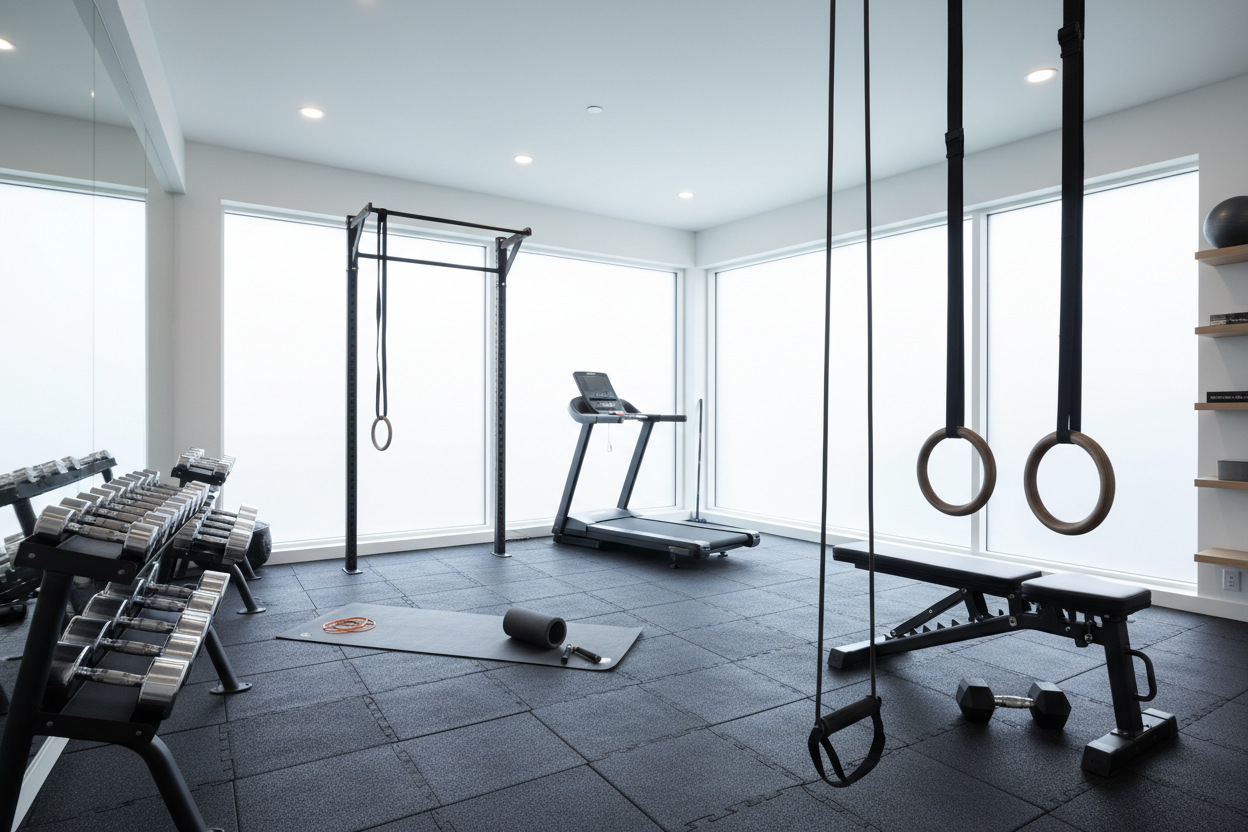
Weak Push-Ups? Try This Chest and Shoulder Workout for Women
I remember the first time I tried to do a strict push-up in my garage gym. My elbows flared, my lower back sagged, and I basically did a worm move just to get off the floor. Most advice for a chest and shoulder workout for women is filled with 2-lb pink dumbbells and 'toning' fluff that won't actually help you move your own body weight or press a heavy box overhead.
If you want to stop dreading push-ups, you have to stop treating your upper body like an afterthought. You need load, you need intensity, and you need a plan that doesn't waste time on a dozen different isolation movements. I’ve spent years testing everything from budget racks to competition plates, and the best results always come from the basics done heavily.
- Floor presses build the triceps and chest without wrecking your shoulders.
- Seated overhead presses build the 'shelf' and improve core stability.
- Rest intervals of 90 seconds are the sweet spot for strength gains.
- Balance is mandatory—never skip your pulling movements.
Why We Are Pairing Your Pushing Muscles Together
In my experience, splitting your chest and shoulders into different days is a rookie move for most home trainees. These muscles are biologically designed to work as a team. When you perform a chest and shoulder workout female lifters often find that their anterior deltoids (the front of the shoulder) are already fired up from their chest presses. It makes sense to finish them off while they're warm.
By pairing these 'push' muscles, you allow for more recovery time throughout the week. If you hit chest on Monday and shoulders on Tuesday, your front delts never actually get a break. Grouping them into one high-intensity session means you can go harder and then let the tissue actually repair itself while you move on to leg or back days.
The Foundation: Pressing From the Floor
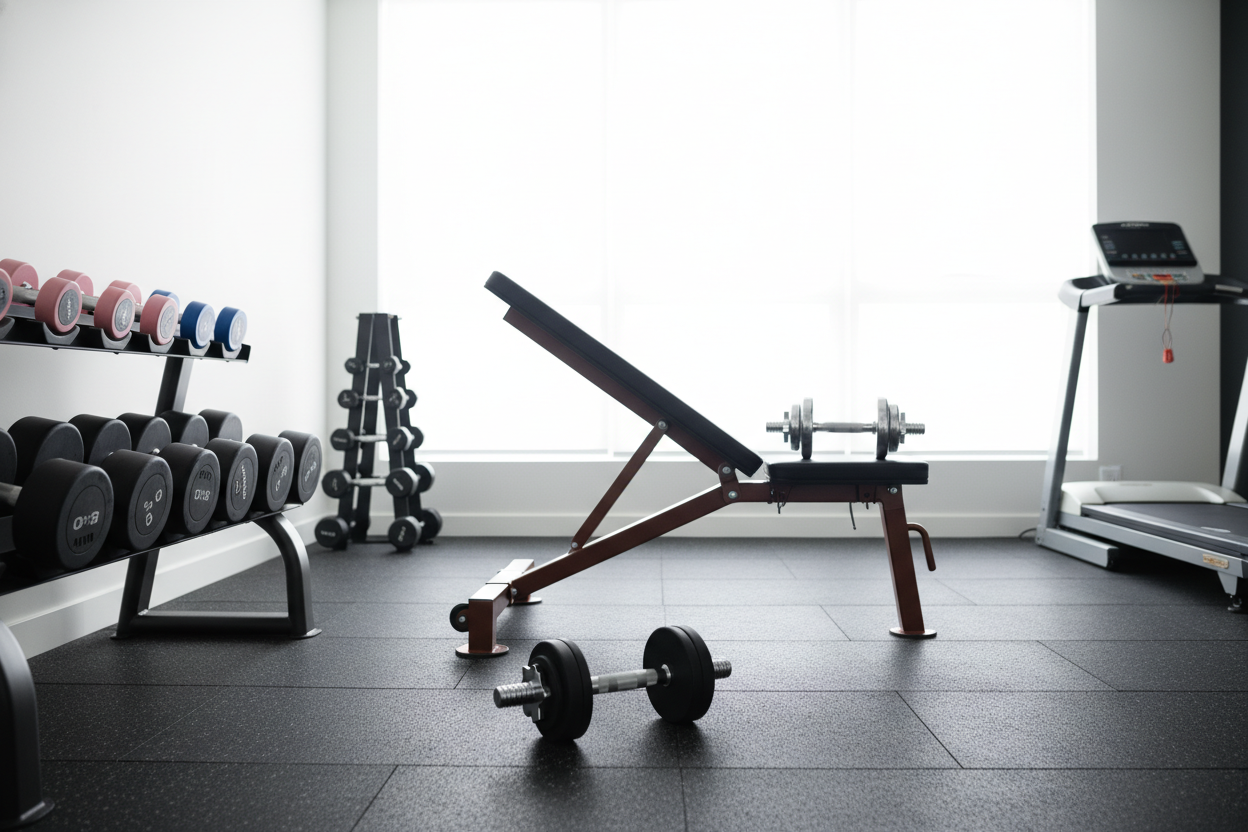
You don't need a $300 adjustable bench to build a massive chest. In fact, I often prefer the dumbbell floor press for beginners and veterans alike. By lying flat on the floor, the ground acts as a hard stop for your elbows. This prevents you from overextending the shoulder joint, which is where most 'bench press' injuries happen.
I recommend doing these on a high-density 6x8Ft Exercise Mat. If you try to floor press 50-lb dumbbells on bare concrete, your elbows are going to hate you by the second set. The mat provides just enough cushion to protect your joints while giving you a stable, non-slip surface to drive your feet into. Focus on a slow, controlled descent and an explosive push back to the ceiling.
Building Overhead Stability With the Seated Press
Once your chest is fried, we move to the vertical plane. The seated dumbbell overhead press is the king of a shoulder and chest workout for women because it forces you to stabilize your trunk without the ego-lifting cheat of a 'push press' using your legs. Sit tall, keep your ribs tucked, and don't let your lower back arch like a bridge.
If you find your back is arching, the weights are too heavy. Scale back. I’ve seen people try to manhandle 35s with terrible form when they should have stayed with 20s and focused on the lockout. A strong overhead press translates directly to better posture and the ability to handle daily tasks without feeling like you're going to snap a collarbone.
The Antidote: Balancing Your Press With Pulls
Here is the hard truth: if you only do a chest and shoulder workout women will eventually end up with 'gorilla posture'—shoulders rolled forward and a tight chest. You must balance the front-side volume with exercises that strengthen the chest back and shoulder area as a whole. You cannot have a strong press without a strong, stable back to press off of.
I always tell my clients to follow up a heavy push day with a heavy back and shoulder workout later in the week. This ensures your rear delts and rhomboids are getting the attention they deserve. For those looking for the aesthetic 'cap' on their shoulders, a dedicated shoulder and back workout for females is the best way to build that balanced, athletic frame.
The Exact Routine: Sets, Reps, and Rest
This is the chest and shoulder workout women can use to finally see progress. Don't overcomplicate it. Pick weights that make the last two reps of every set feel like a genuine struggle.
- Dumbbell Floor Press: 4 sets of 8-10 reps. (Focus on the squeeze at the top).
- Seated Dumbbell Overhead Press: 3 sets of 10-12 reps. (Keep your core braced).
- Push-Ups: 3 sets to failure. (If you can do more than 15, elevate your feet).
- Dumbbell Lateral Raises: 3 sets of 15 reps. (Go light and don't swing).
Rest for 90 seconds between sets. This gives your ATP stores enough time to recover so you can move heavy weight again. If you're looking for more ways to round out your program or need a solid warm-up, check out our Workout Hub for more guides. Consistency beats intensity every single time—show up, put in the work, and the push-ups will follow.
FAQ
Do I need a bench for this workout?
No. The floor press is actually superior for shoulder health and can be done on any flat, stable surface like a gym mat. It builds the same muscle groups without the risk of over-stretching the shoulder capsule.
How heavy should I go?
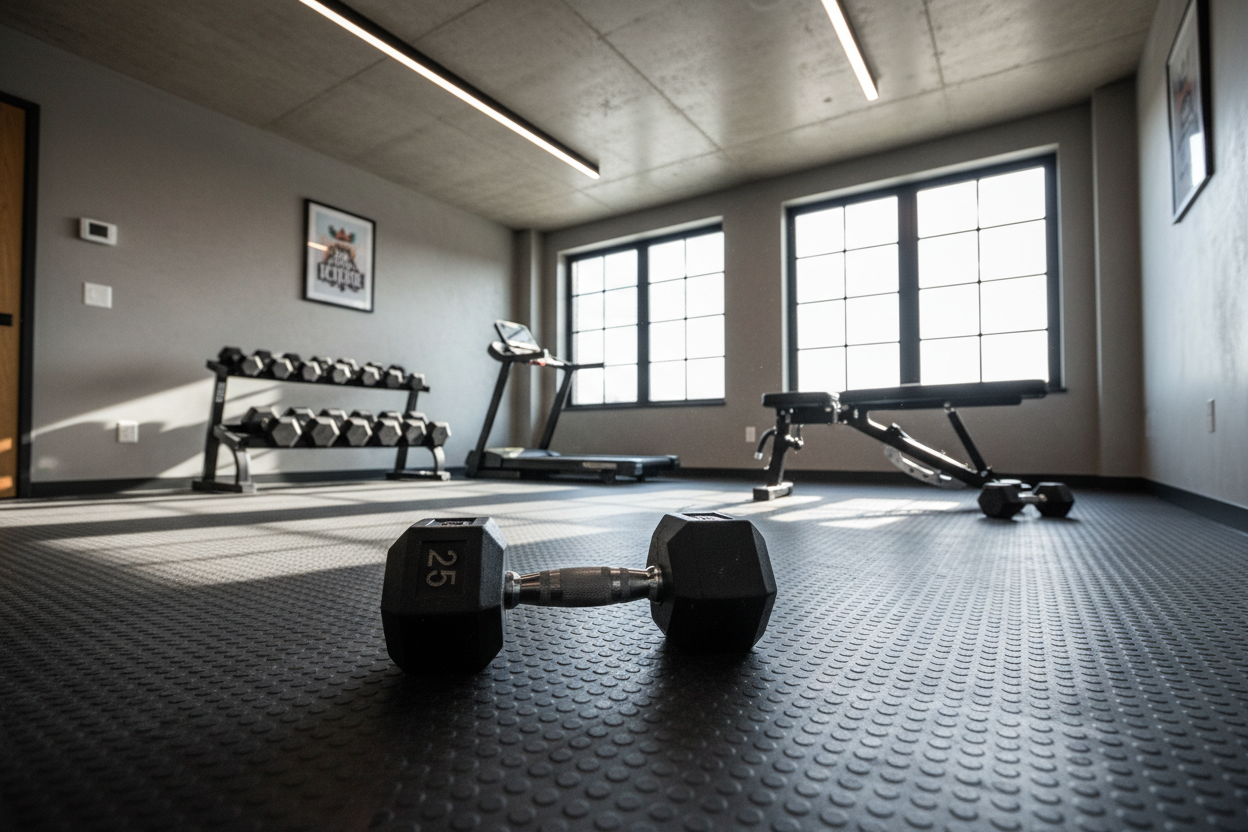
You should use a weight where you have 1-2 'reps in reserve' at the end of a set. If you can breeze through 12 reps without breaking a sweat, the dumbbells are too light. Don't be afraid of the 25lb+ rack.
Can I do this workout every day?
Absolutely not. Your muscles grow while you rest, not while you're lifting. Give yourself at least 48-72 hours between hitting the same muscle groups again.