Walking Treadmill Machine: The Ultimate Guide to 10k Steps at Home
Sitting is the new smoking. We have heard that phrase enough times to make our eyes roll, but the stiffness in your lower back is likely telling you it’s true. You are looking for a solution that doesn't involve driving to the gym at 5 AM. This is where the walking treadmill machine enters the conversation.
It is not just about burning calories; it is about keeping your metabolic rate humming while you answer emails or watch Netflix. However, buying one isn't as simple as clicking 'add to cart.' There are motor specs, belt sizes, and noise levels that can make or break your experience.
Key Takeaways: Quick Summary
- Motor Matters: Look for a continuous duty horsepower (CHP) of at least 2.0 to prevent overheating during long, slow walks.
- Belt Length: Ensure the walking surface is at least 48 inches long to accommodate your natural stride without clipping the back.
- Noise Level: An electric walking machine should operate under 50 decibels if you plan to use it during conference calls.
- Weight Capacity: Always aim for a machine rated 50lbs higher than your current weight for longevity.
Why the Sudden Hype Around Indoor Walking?
The concept is simple: Non-Exercise Activity Thermogenesis (NEAT). This is the energy expended for everything we do that is not sleeping, eating, or sports-like exercise. A walking electric treadmill targets this specific physiological area.
When you sit, your lipoprotein lipase activity (an enzyme that breaks down fat) plummets. Standing helps, but walking changes the game entirely. By integrating movement into your sedentary hours, you aren't just 'working out'; you are changing your baseline metabolism.
The Difference Between Running and Walking Machines
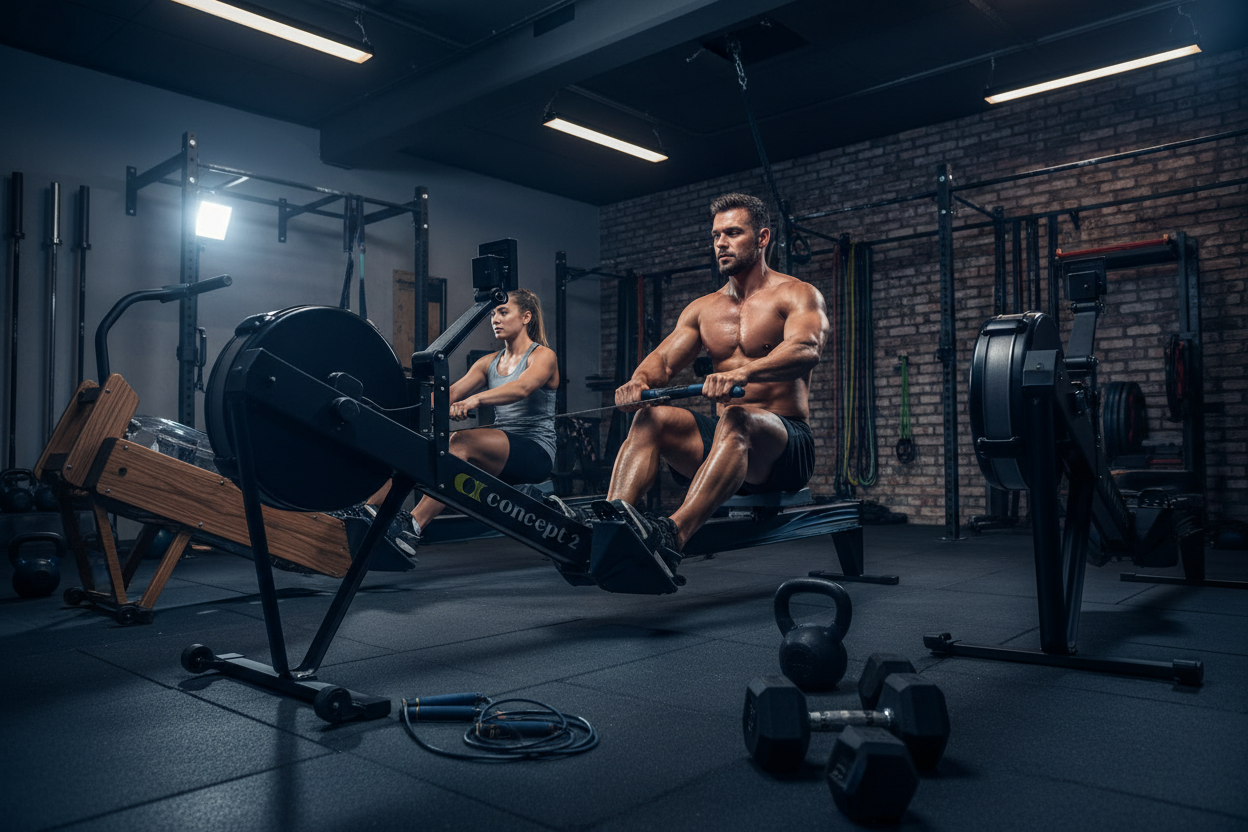
Do not confuse these with standard gym treadmills. A dedicated walking machine is designed differently. Running treadmills rely on momentum and flywheels to handle high speeds. A walking unit requires high torque at low speeds.
If you try to walk for two hours on a cheap running treadmill, you might burn out the motor controller because it isn't designed to drag a user's weight at 1.5 mph for extended periods. You need equipment engineered specifically for low-speed endurance.
How to Choose the Right Electric Walking Machine
The market is flooded with flimsy equipment. Here is the technical breakdown of what you actually need to look for so you don't end up with a coat rack.
1. The Motor Torque
You want a motor that doesn't whine. High torque at low RPM is essential. If the motor struggles, it generates heat. Heat kills electronics. Look for 'Continuous Duty' ratings, not 'Peak' horsepower. Peak is a marketing gimmick; Continuous is what sustains you through a 90-minute Zoom call.
2. Ergonomics and Belt Size
If you are taller than 6 feet, a standard 40-inch belt on a compact walking treadmill machine will feel claustrophobic. You will constantly look down to ensure you don't step off. Aim for 48 to 50 inches in belt length so you can walk subconsciously, which is the ultimate goal.
3. Storage and Portability
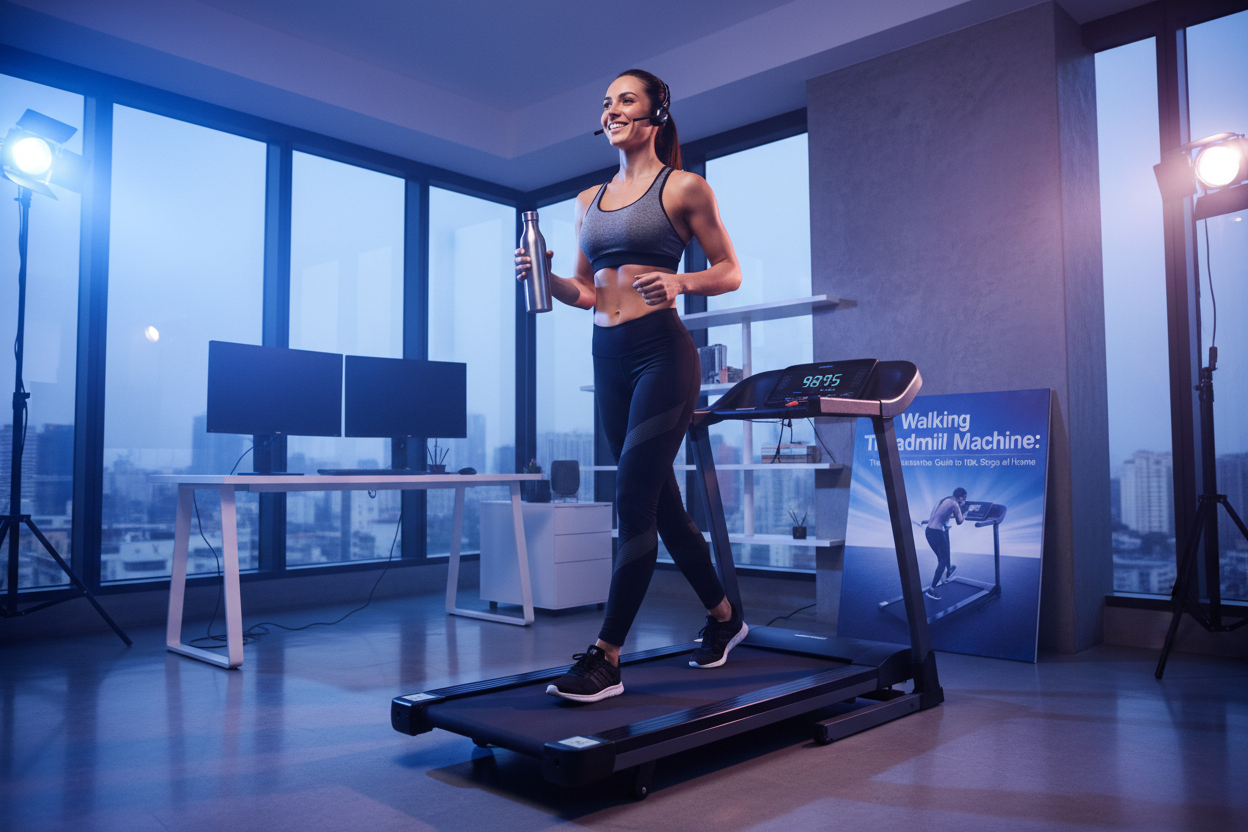
Most users are tight on space. If you are sliding this under a standing desk, check the height of the motor housing at the front of the treadmill. Some bulky models will hit your knees or the underside of your desk, making proper typing posture impossible.
Common Pitfalls to Avoid
The biggest mistake beginners make is ignoring maintenance. Because these machines don't have the heavy suspension of gym treadmills, friction is the enemy.
You must lubricate the belt with 100% silicone oil every 40-50 hours of use. If you don't, the friction increases, the amp draw on the motor spikes, and your circuit board will fry. It is not a matter of if, but when.
My Personal Experience with Walking Treadmill Machines
I want to be transparent about what the first week actually feels like because the brochures won't tell you this.
I use a slim walking pad under my standing desk. The first thing I noticed wasn't the calorie burn—it was the 'sea legs.' When I stepped off the machine after a 45-minute session at 2.0 mph to go refill my water, I nearly fell over. My brain had adjusted to the forward motion while remaining stationary relative to my desk. The room felt like it was spinning for about 30 seconds. This 'vertigo' effect is very real, but it goes away after about five sessions.
Another unpolished detail: the static shock. In the winter, wearing rubber-soled shoes on a rubber belt creates a massive charge. The first time I touched my metal laptop chassis while walking, I got a zap that reset my monitor. I had to buy an anti-static mat to go under the machine. These are the gritty details you only learn by actually logging the miles.
Conclusion
Investing in a walking treadmill machine is one of the highest ROI decisions you can make for your health if you work a desk job. It bridges the gap between a sedentary lifestyle and an active one without requiring extra hours in your day.
Focus on motor quality, respect the maintenance schedule, and prepare yourself for that initial dizziness. Once you adapt, you will wonder how you ever sat for eight hours straight.
Frequently Asked Questions
Can I run on a walking treadmill machine?
Generally, no. Most designated walking machines cap their speed at 3.5 or 4.0 mph and lack the safety rails and deck cushioning required for the high impact of running. Attempting to run on them can damage the frame and poses a safety risk.
How much electricity does a walking electric treadmill use?
They are surprisingly efficient. Most models pull between 300 to 600 watts depending on your weight and speed. It is comparable to running a high-end gaming PC or a few bright incandescent lightbulbs. It won't drastically spike your utility bill.
Will it be too loud for video calls?
This depends on the model and your maintenance. A well-lubricated machine usually runs around 45-50dB, which is akin to a quiet library. Noise-canceling microphones (standard on Zoom and Teams now) easily filter out the hum, but the sound of your footsteps might be audible if you wear heavy shoes.