Vinyl Gym Mat Explained: What to Know Before You Buy
Sweating over bare carpet or slipping on slick hardwood is a fast track to ruined floors and workout injuries. If you are tired of replacing cheap foam puzzle tiles that peel apart after a few months of intense training, it is time to upgrade your foundation. Enter the vinyl gym mat.
Whether you are outfitting a dedicated garage gym or carving out a small workout corner in your apartment, the surface you train on dictates your safety and your equipment's longevity. In this guide, we will break down exactly what makes these heavy-duty mats worth the investment, how to choose the right specs, and whether they fit your specific training style.
Key Takeaways
- High-density vinyl protects both your subfloor and your equipment from heavy impact.
- Unlike porous rubber, a closed-cell vinyl exercise mat is completely waterproof and hygienic.
- Ideal for cardio, HIIT, and under-equipment protection, but may require supplemental padding for heavy barbell drops.
- Roll-out designs offer a seamless workout area that prevents tripping hazards.
What Makes a Quality Vinyl Exercise Mat?
Not all flooring is created equal. When shopping for a vinyl exercise mat, you need to look past the marketing jargon and focus on the core specifications that impact performance.
Thickness and Density
Most standard vinyl mats range from 1/4-inch to 3/8-inch thick. While that might sound thin compared to bulky foam, vinyl relies on high density rather than thickness for shock absorption. A 1/4-inch mat is perfect for plyometrics, yoga, and supporting cardio machines like rowers or stationary bikes. If you plan on doing kettlebell work or using dumbbells, lean toward the 3/8-inch thickness to prevent floor gouging.
Texture and Grip
A premium mat will feature a textured top layer—often a pebble or diamond plate pattern. This provides essential traction for lateral movements and quick directional changes, ensuring your feet stay planted even when the mat is slick with sweat.
Sizing for Your Home Gym Space
One of the biggest advantages of a vinyl fitness mat is its versatility in sizing. Unlike interlocking tiles that can separate under stress, roll-out vinyl provides a continuous, unified surface.
Garage vs. Spare Bedroom Setups
For a standard garage gym, large 5x10 foot or 6x8 foot rolls are ideal. They cover enough square footage to house a power rack and a bench while leaving room for deadlifts. If you are in a spare bedroom or apartment, a smaller 4x6 foot mat offers plenty of room for bodyweight exercises, stretching, and dumbbell routines without dominating the living space. Always measure your room and leave a two-inch clearance from the baseboards to allow the material to expand and contract with temperature changes.
Built to Last: Durability and Upkeep
Home gym equipment is an investment, and your flooring is the first line of defense. Vinyl shines in its ability to withstand serious abuse without showing premature wear.
Sweat and Moisture Resistance
Because vinyl is non-porous, it will not absorb sweat, spilled pre-workout, or ambient humidity. This makes it incredibly easy to maintain. A simple wipe down with a mild soap and water solution keeps it looking brand new and prevents the lingering gym odors that often plague cheap foam or recycled rubber mats.
From Our Gym: Honest Take
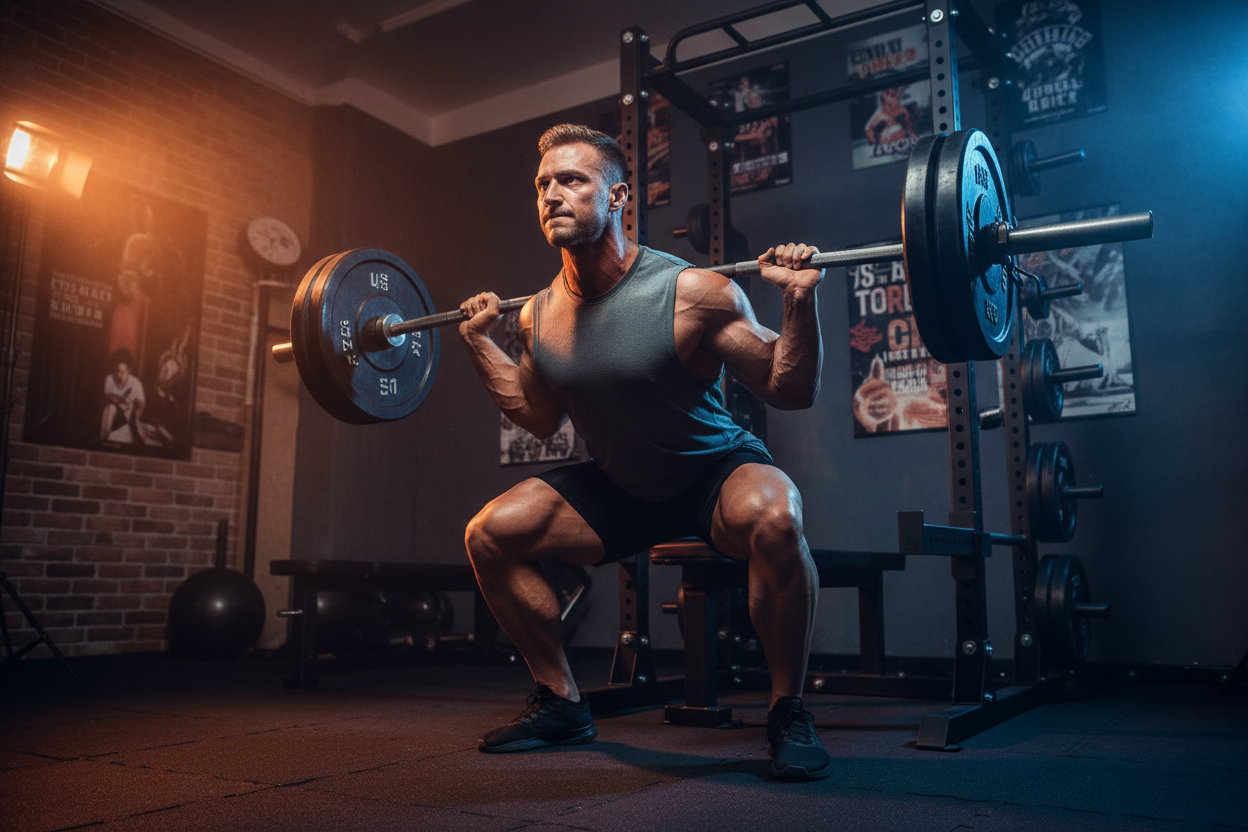
I have had a 6x8 foot heavy-duty vinyl mat under my primary squat stand for over two years in an uninsulated, humid North American garage. What impresses me most is the zero-maintenance aspect. After months of daily use, chalk spills, and heavy foot traffic, there are absolutely no signs of peeling or structural breakdown.
However, I want to be completely transparent: these mats are heavy and stiff when they first arrive. You will need to unroll it and let it sit in a warm room for 24 to 48 hours so the edges lay perfectly flat. Additionally, while the density is fantastic for stability during heavy squats, it lacks the plush cushioning of a yoga mat. If you do a lot of floor-based core work, you might still want a cheap, soft throw-mat to place on top for comfort.
Frequently Asked Questions
Is a vinyl gym mat safe for hardwood floors?
Yes, most high-quality vinyl mats are safe for hardwood, but it is highly recommended to use a thin non-slip rug pad underneath. This prevents the mat from sliding during explosive movements and protects the wood finish from potential discoloration over time.
Can I drop heavy weights on a vinyl mat?
Vinyl is excellent for protecting floors from dropped dumbbells and kettlebells, but it is not designed for repeated, heavy barbell drops (like Olympic weightlifting). For heavy deadlifts or cleans, you should build or buy a dedicated wooden lifting platform with thick rubber drop zones.
How do I clean my vinyl fitness mat?
Maintenance is incredibly simple. Sweep or vacuum loose dirt, then mop or wipe the surface with a mixture of warm water and a few drops of mild dish soap. Avoid harsh chemical cleaners or bleach, as these can degrade the textured grip surface over time.