V Ups: How to Do Them, Muscles Worked and Variations
Quick answer: To do V ups, lie flat on your back with legs straight and arms extended overhead. In one movement, lift your upper body and legs at the same time, reaching your hands toward your toes so your body forms a V shape balanced on your hips. Then slowly return to the starting position without letting your back arch. V ups work the rectus abdominis, hip flexors and obliques. Beginners can start with tuck ups or single leg V ups, 3 sets of 6–12 reps.
Key takeaways
- Upper and lower body lift together and meet in the middle.
- Lower slowly; don't flop back down.
- Avoid arching your lower back off the floor at the bottom.
- Too hard? Bend the knees (tuck up) or lift one leg at a time.
- A mat helps: you balance on your tailbone at the top.
Muscles worked
| Muscle | Role |
|---|---|
| Rectus abdominis | Curls the torso and pelvis together |
| Hip flexors | Lift the straight legs |
| Obliques and transverse abdominis | Stabilize the torso |
| Quads | Keep the knees straight |
Benefits
- Core strength through both the upper and lower abdominal muscles.
- Balance and coordination at the top of each rep.
- Hip flexor strength that carries over to running, kicking and L sits.
- No equipment needed.
How to do V ups with proper form
- Starting position: lie on your back on a mat, legs straight and together, arms outstretched overhead, lower back pressed lightly into the floor.
- Brace: engage your core and exhale.
- Lift: raise your arms, head, shoulders and legs at the same time, keeping legs straight.
- Reach: touch your fingers toward your toes at the top, balancing on your hips.
- Lower: slowly lower both ends back down with control, stopping just before your heels and shoulders touch the floor.
- Repeat for your target reps.
Common mistakes
| Mistake | Fix |
|---|---|
| Using momentum to swing up | Pause at the bottom; lift with the abs |
| Lower back arching | Keep a slight posterior pelvic tilt; reduce range |
| Bending the knees | Fine for tuck ups, but straight legs for full V ups |
| Pulling with the neck | Lead with the chest, not the head |
| Crashing down | Take 2 seconds to lower |
V up variations: easiest to hardest
| Variation | How |
|---|---|
| Tuck up | Knees bent; pull knees and chest together |
| Single leg V up | Lift one leg and the torso, reach for that foot; alternate (opposite leg stays down) |
| Bent-knee V up | Legs bent at about 90° |
| Standard V up | Both legs straight |
| Slow-tempo V up | 3 seconds down |
| Weighted V up | Light weight in the hands or ankle weights |
V ups vs sit up vs crunches
| V ups | Sit up | Crunches | |
|---|---|---|---|
| Moving parts | Torso and legs | Torso | Upper torso only |
| Difficulty | Hard | Moderate | Easy |
| Hip flexor demand | High | Moderate | Low |
| Balance | Required | None | None |
Sets, reps and programming
| Level | Sets × reps |
|---|---|
| Beginner | 3 × 8–10 tuck ups or single leg V ups |
| Intermediate | 3 × 8–12 V ups |
| Advanced | 3–4 × 12–15, slow tempo or weighted |
Do them 2–3 times a week. Pair with hollow body holds, Russian twists and hanging knee raises for a full core routine.
Who should be careful
- Lower back pain: start with dead bugs or hollow holds; V ups put a lot of pull on the spine through the hip flexors.
- Diastasis recti or postpartum: talk to a health professional first.
V ups at home
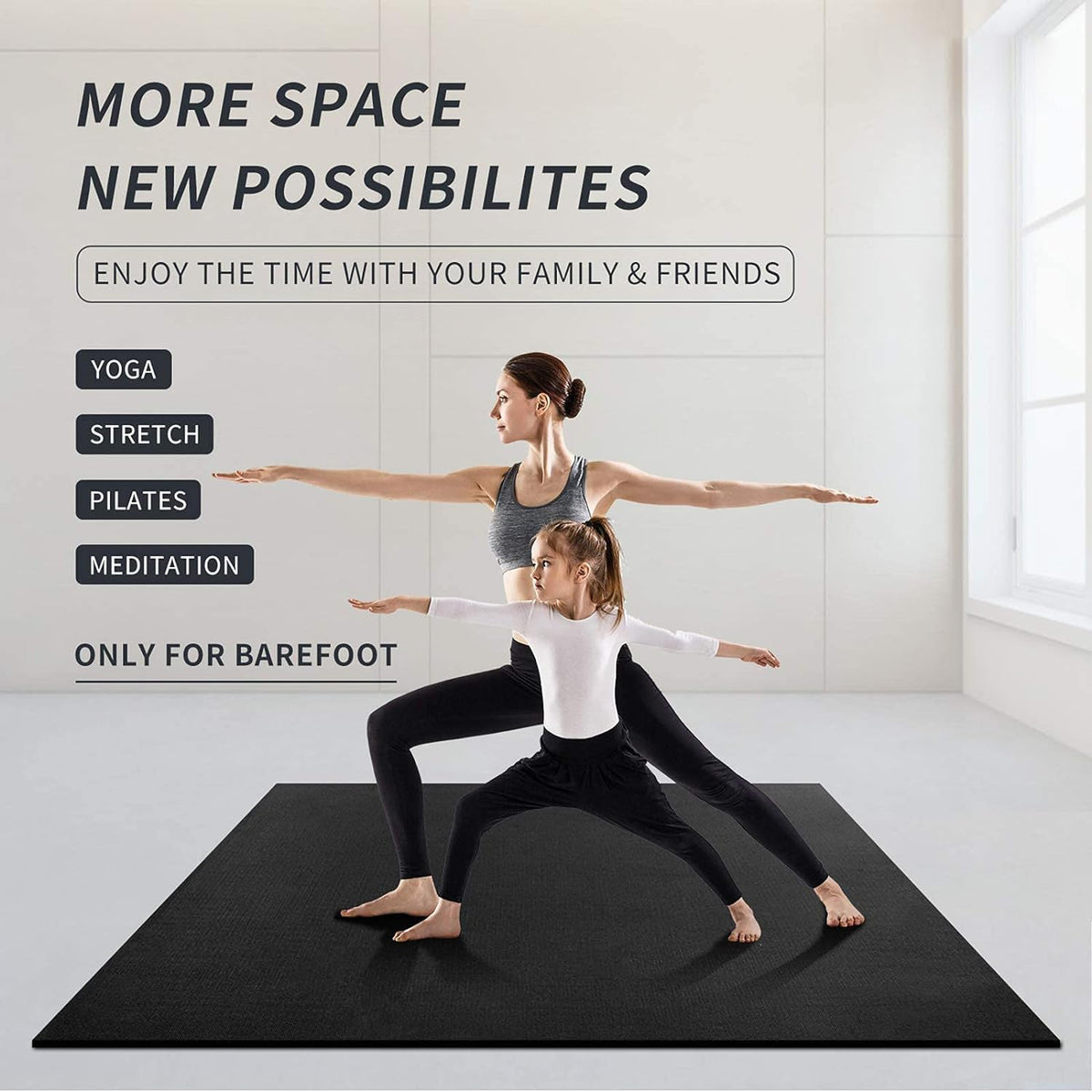
- Mat: you balance on your tailbone at the top, so padding matters. A 7 mm large exercise mat or large yoga mat gives room to lie fully stretched out.
- Weighted version: a light soft kettlebell or change plate held in the hands.
FAQ
What do V ups work?
The rectus abdominis and hip flexors most, with the obliques and quads helping.
Are V ups better than crunches?
They're harder and train more muscles, including the hip flexors and balance. Crunches are easier to control for beginners.
Why can't I do a V up?
Usually it's core strength, hamstring flexibility or both. Start with tuck ups and single leg V ups.
How many V ups should I do?
3 sets of 8–12 controlled reps is a good target for most people.
Are V ups bad for your back?
Not for most healthy people with good form. Avoid arching at the bottom, and skip them if they cause back pain.
Written by Yuvien Royer for GXMMAT. This article is general fitness information, not medical advice.