Unlock Your Physique: The Blueprint for a Massive, Chiselled Chest
Walking into the weight room on a Monday usually means one thing: fighting for a spot on the bench press. It is the universal standard for upper body strength, but building a truly impressive torso requires more than just pushing a barbell up and down. If you want to know what exercise works the chest most effectively, the answer isn't a single movement. It is a combination of compound lifts for density and isolation movements for shape. To build a plate of armor that looks good in a t-shirt and performs well athletically, you need a strategy that targets the pectoral muscles from every angle.
The Foundation: Understanding Chest Mechanics
Before diving into the specific lifts, understanding how the muscles function will change your approach to every chest workout. The pectoralis major has two main heads: the clavicular (upper) and the sternocostal (lower/middle). Many lifters struggle to develop the upper shelf of the chest, leading to a drooping appearance. Effective pectoral exercises must address both heads. Furthermore, the primary function of these muscles is transverse adduction—bringing your arm across your body. This is why flye variations are crucial alongside pressing movements.
I recall a specific training block years ago where my bench press numbers were high, but my chest development looked flat. I was moving heavy weight, yet I wasn't feeling the contraction. It wasn't until I dropped the ego, lowered the weight, and focused on the mind-muscle connection during isolation movements that I saw real growth. I realized that a power chest workout isn't just about the number on the bar; it's about the tension on the fiber. That shift in mindset transformed my physique more than adding another 45-pound plate ever did.
The Heavy Hitters: 3 Best Chest Exercises for Mass
If your primary goal is size, you need to move heavy loads with control. These compound movements recruit the most muscle fibers and release the most anabolic hormones.
1. The Barbell Bench Press
While often overhyped, this remains the gold standard among strong chest exercises. It allows for maximum load. However, to make it a true chest build workout rather than just a shoulder destroyer, you must retract your shoulder blades and create a slight arch in your back. This stability protects the rotator cuff and places the load squarely on the pecs.
2. Incline Dumbbell Press
This is arguably the best chest exercise at gym facilities for aesthetic development. The incline angle targets the stubborn upper chest, filling out the area below the collarbone. Using dumbbells offers a greater range of motion than a barbell and helps correct muscle imbalances. If you want to lift chest muscles visually, this movement is non-negotiable.
3. Weighted Dips
Often called the "upper body squat," dips are phenomenal for the lower and outer chest. Leaning forward slightly shifts the emphasis from the triceps to the pectorals. As you get stronger, adding a weight belt turns this bodyweight move into a serious mass builder. It is one of the most underutilized exercises to grow your chest.
Sculpting the Details: Exercises for Perfect Chest Definition
Once the mass is there, you need to carve the details. Isolation movements are essential exercises to improve pectoral muscles' shape and separation.
Cable crossovers are superior to dumbbell flyes because they provide constant tension throughout the movement. With dumbbells, tension is lost at the top of the rep as gravity takes over. Cables keep the muscle under fire even at the peak contraction. Varying the height of the pulleys allows you to hit different fibers, making it a staple in any good chest day routine. Low-to-high pulls target the upper chest, while high-to-low pulls hammer the lower pecs.
Another key movement is the Pec Deck machine. It removes the stability requirement, allowing you to focus entirely on the squeeze. This is an exercise to increase chest muscle density through metabolic stress—aiming for higher reps and shorter rest periods.
Stability and Athletic Performance
A big chest is useless if it isn't functional. Athletes involved in chest sports like football, rugby, or combat sports require pushing power that translates to the field. This brings us to chest stability exercises. Incorporating movements like ring push-ups or Swiss ball dumbbell presses recruits the smaller stabilizing muscles around the shoulder joint. These aren't necessarily mass builders, but they bulletproof your shoulders, allowing you to handle heavier weights in your primary lifts safely.
A strong chest workout should also consider the speed of movement. Explosive push-ups or medicine ball chest throws train the fast-twitch fibers, contributing to that dense, hard look while improving athletic power.
The Killer Chest Day Routine
Putting this all together into a cohesive plan is the final step. A perfect workout for chest balances heavy loads, volume, and metabolic stress. Here is a blueprint for a session designed to wreck mediocrity:
-
Warm-up: Band pull-aparts and light push-ups to get blood flowing.
-
Compound 1 (Power): Barbell Bench Press – 4 sets of 6-8 reps. Focus on moving heavy weight with perfect form.
-
Compound 2 (Upper Chest): Incline Dumbbell Press – 3 sets of 8-10 reps. Focus on a deep stretch at the bottom.
-
Isolation 1 (Stretch & Squeeze): Cable Crossovers – 3 sets of 12-15 reps. Squeeze hard at the center for a full second.
-
Finisher (Burnout): Bodyweight Dips – 3 sets to failure. Lean forward to engage the chest.
This routine covers all bases: heavy mechanical tension, muscle damage, and metabolic stress. It is the best workout for chest at gym settings where you have access to a variety of equipment.
Common Mistakes to Avoid
Many gym-goers sabotage their own progress by ignoring form. Bouncing the bar off the sternum might help you lift more weight, but it removes the tension from the muscle you are trying to build. Similarly, flaring the elbows out at 90 degrees puts immense strain on the shoulder joints. Tuck your elbows slightly to keep the tension on the pectorals and keep your shoulders healthy.
Another issue is neglecting the negative (eccentric) part of the lift. Muscle chest exercises are twice as effective if you control the weight on the way down. Gravity is not your friend here; fight it. Slowing down the descent causes more micro-tears in the muscle fiber, which repairs bigger and stronger.
Building a standout physique takes time, consistency, and the right selection of chest fitness exercises. By combining heavy pressing with targeted isolation and maintaining a focus on progressive overload, you will transform your upper body. Whether you are looking for the best chest lifting exercises for pure strength or a chest workout with equipment designed for aesthetics, the principles remain the same: control the weight, feel the muscle, and never skip the struggle.
Frequently Asked Questions
How many times a week should I train my chest?
For most natural lifters, training chest twice a week is optimal for growth. This frequency allows you to hit the muscle group with enough volume to stimulate hypertrophy while providing adequate recovery time before the next session.
Can I build a big chest with just push-ups?
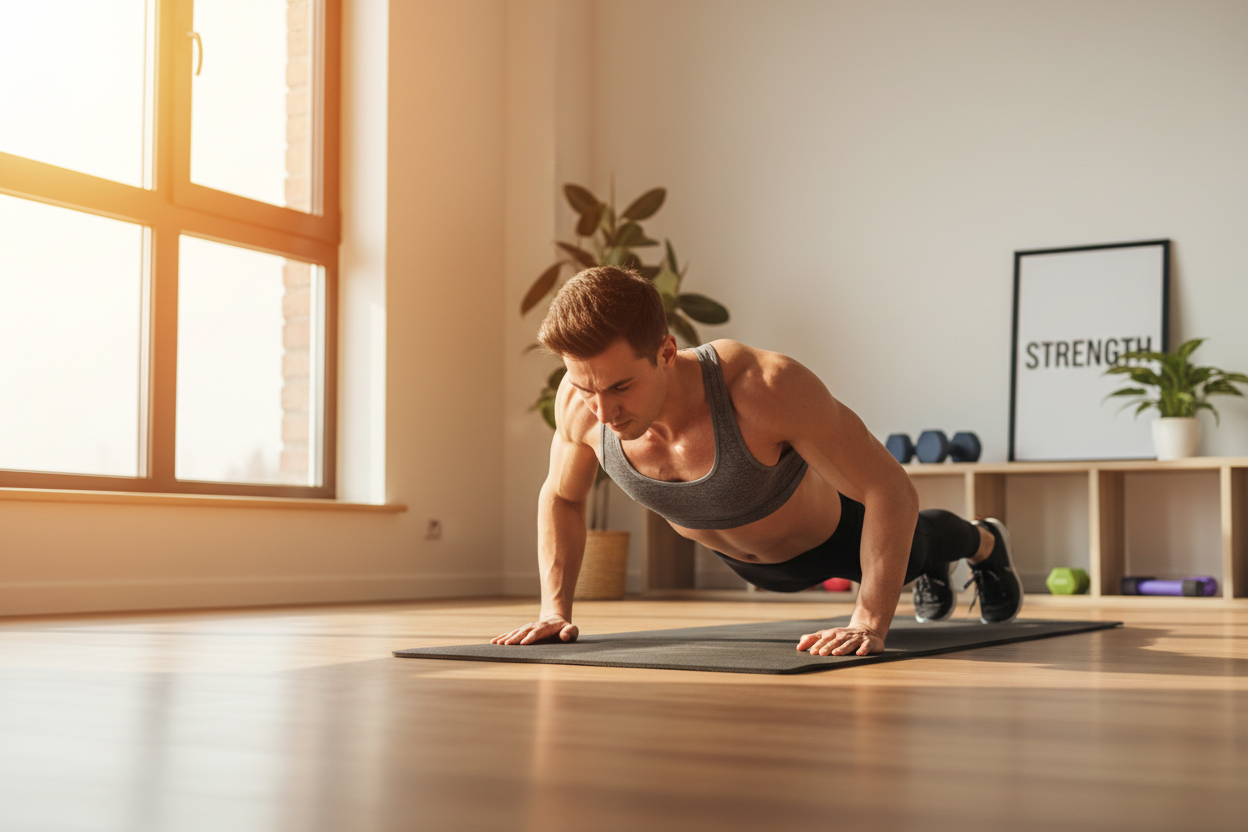
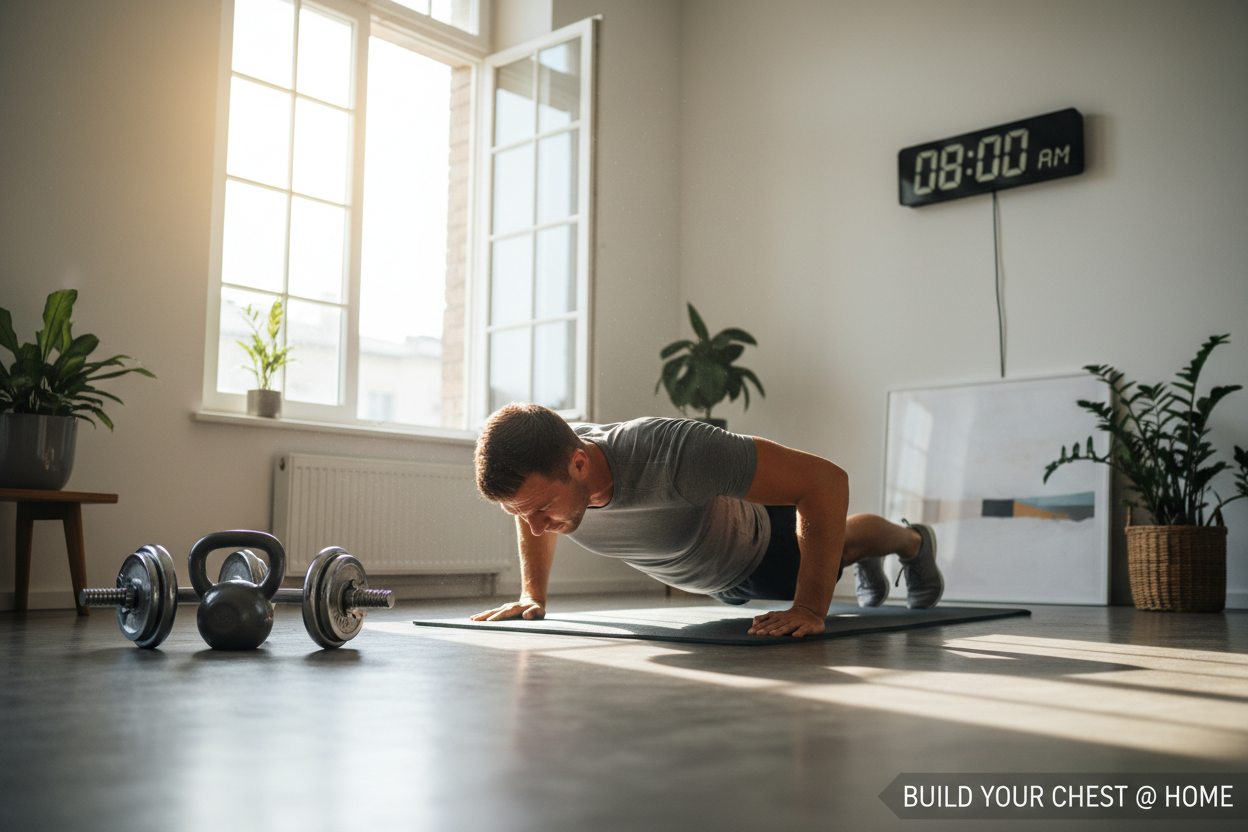
Yes, push-ups are effective, but you will eventually need to increase the difficulty to continue seeing results. You can achieve this by elevating your feet, wearing a weighted vest, or performing explosive variations to maintain progressive overload without gym equipment.
What should I do if I feel my shoulders taking over during chest exercises?
This usually happens due to poor scapular retraction or flaring elbows. Focus on pinning your shoulder blades back and down against the bench and tucking your elbows slightly toward your ribcage to force the pectoral muscles to do the work.