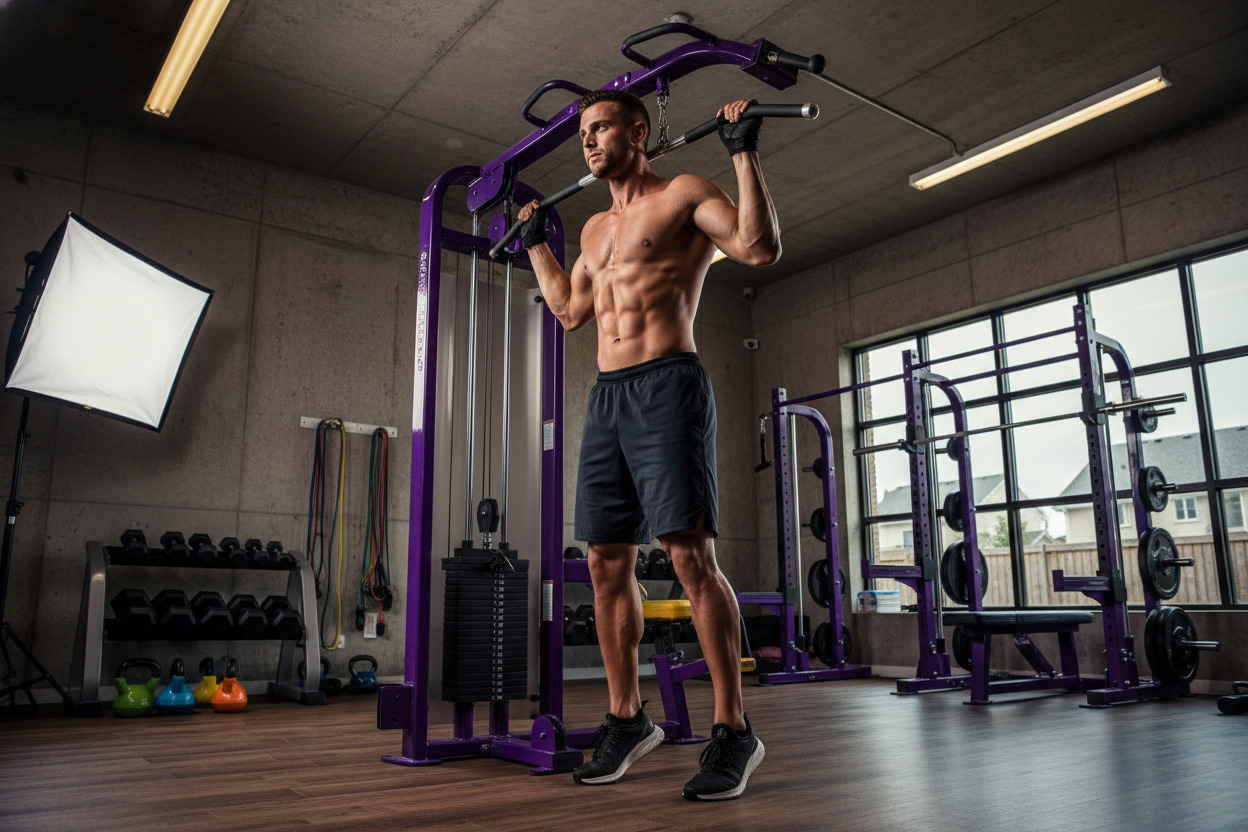
Unlock Upper Body Mobility: The Underrated Clavicle Stretch Technique
Most athletes and desk workers obsess over tight pecs or stiff traps, but they completely ignore the structural bridge connecting them. If you are dealing with mysterious shoulder nagging or a front-rack position that feels locked up, the solution might be a targeted clavicle stretch.
Here is the reality check: you cannot stretch a bone. When we talk about stretching the clavicle, we are actually targeting the subclavius muscle and the fascia surrounding the collarbone. Neglecting this area is a one-way ticket to rounded shoulders and chronic tension.
Key Takeaways: Quick Summary
- The Hidden Culprit: The subclavius muscle sits directly underneath the collarbone and often causes "clavicle pain" when tight.
- Manual Release First: You often need to massage (release) the area before you can effectively stretch it.
- Posture Check: Chronic forward head posture shortens the tissues around the clavicle, requiring consistent corrective exercises.
- Safety: Never press directly on the bone; always target the soft tissue underneath or above it.
The Science: Why Your Collarbone Feels Tight
Before we jump into the mechanics, let's address the anatomy. The clavicle acts as a strut, keeping your shoulder away from your chest. Tucked underneath it is a small, troublesome muscle called the subclavius.
When this muscle gets tight—usually from hunching over a keyboard or heavy bench pressing—it pulls the clavicle down and forward. This creates that nagging ache that feels like bone pain. To fix this, you need a collarbone stretch strategy that targets tissue quality, not just length.
How to Stretch Clavicle Tissues Effectively
Standard chest stretches often miss the mark because they target the large Pectoralis Major. To get to the root of the issue, we need precision.
1. The Subclavius Manual Release
This isn't a passive stretch; it is active mobilization. This is arguably the most effective exercise for collarbone pain caused by tightness.
Take a lacrosse ball or your fingertips. Locate the hollow spot just below your collarbone, near the shoulder joint. Press in firmly but gently. Slowly move your arm through a range of motion (like a snow angel) while maintaining pressure. You will feel a distinct, uncomfortable trigger point releasing.
2. The "Low-Arm" Doorway Stretch
Many people ask how to stretch collar bone areas using a doorway. The mistake? They put their arms too high.
To target the clavicular fibers and the subclavius, lower your arm. Your elbow should be below your shoulder height. Step through the doorway gently. This angle shifts the tension from the main chest muscle to the upper fibers along the collarbone.
3. The Scalene & SCM Tilt
Sometimes, the tension pulls from above. Stretches for clavicle pain must involve the neck.
Anchor your hand on your chest, just below the collarbone, and pull the skin down slightly. Tilt your head away from that hand and look up toward the ceiling. You should feel a deep pull running from your ear down to the clavicle. This releases the Sternocleidomastoid (SCM) muscle, which attaches directly to the bone.
Common Mistakes When Treating Collarbone Pain
If you are looking for a clavicle pain exercise, avoid high-velocity swinging. Ballistic movements can aggravate the acromioclavicular (AC) joint.
Another error is ignoring the back. If your scapula (shoulder blade) isn't moving correctly, your clavicle gets jammed. Pair your stretches for collarbone pain with scapular retractions (squeezing your shoulder blades together) to ensure the entire shoulder girdle functions as a unit.
My Training Log: Real Talk
I learned about the importance of this area the hard way: Front Squats.
For months, I couldn't get into a comfortable front rack position. The bar felt like it was crushing my windpipe, and my elbows refused to stay up. I thought it was my lats. I rolled them out for weeks with zero change.
It wasn't until a physical therapist dug his thumb under my collarbone—into that nasty little subclavius muscle—that I realized where the problem was. I'm not going to lie; the manual release feels gross. It’s a sharp, nauseating kind of tension. But the moment I stood up, my shoulder dropped back about an inch. The next time I racked the bar, my elbows cleared easily. Now, I don't lift without digging a lacrosse ball into that spot first. It’s a non-negotiable part of my warm-up.
Conclusion
Learning how to stretch clavicle tissues is a game-changer for upper body mechanics. It’s a small adjustment that yields massive returns in posture and pain relief. Stop ignoring the small muscles; release the subclavius, mobilize the joint, and reclaim your shoulder health.
Frequently Asked Questions
Can you actually stretch the collarbone itself?
No, you cannot stretch bone. When people search for a collarbone stretch, they are technically looking to stretch the subclavius muscle, the pectoralis minor, and the fascia that attaches to the clavicle.
Is it safe to exercise with collarbone pain?
It depends on the cause. If the pain is muscular tension, gentle mobility work is beneficial. However, if the pain is sharp, follows a trauma (like a fall), or involves a visible bump, stop immediately. You need to rule out a fracture or AC joint separation before attempting any exercise for collarbone pain.
Why does my collarbone pop when I stretch?
A popping sound usually comes from the Sternoclavicular (SC) joint where the collarbone meets the sternum. If it is painless, it is likely just gas escaping the joint (crepitus). If it hurts, avoid that specific range of motion and consult a physio.