Unlock True Strength: Why Every Home Gym Needs a Quality Barbell
If you walk into any serious training facility, the centerpiece is rarely a complex machine with pulleys and digital readouts. It is almost always a simple bar with weights. Despite the evolution of fitness technology, the humble barbell remains the most effective tool for building raw strength, hypertrophy, and athletic power. Whether you are training in a high-end commercial facility or building a garage setup, understanding the mechanics and selection of this equipment is the fastest route to reaching your physical potential.
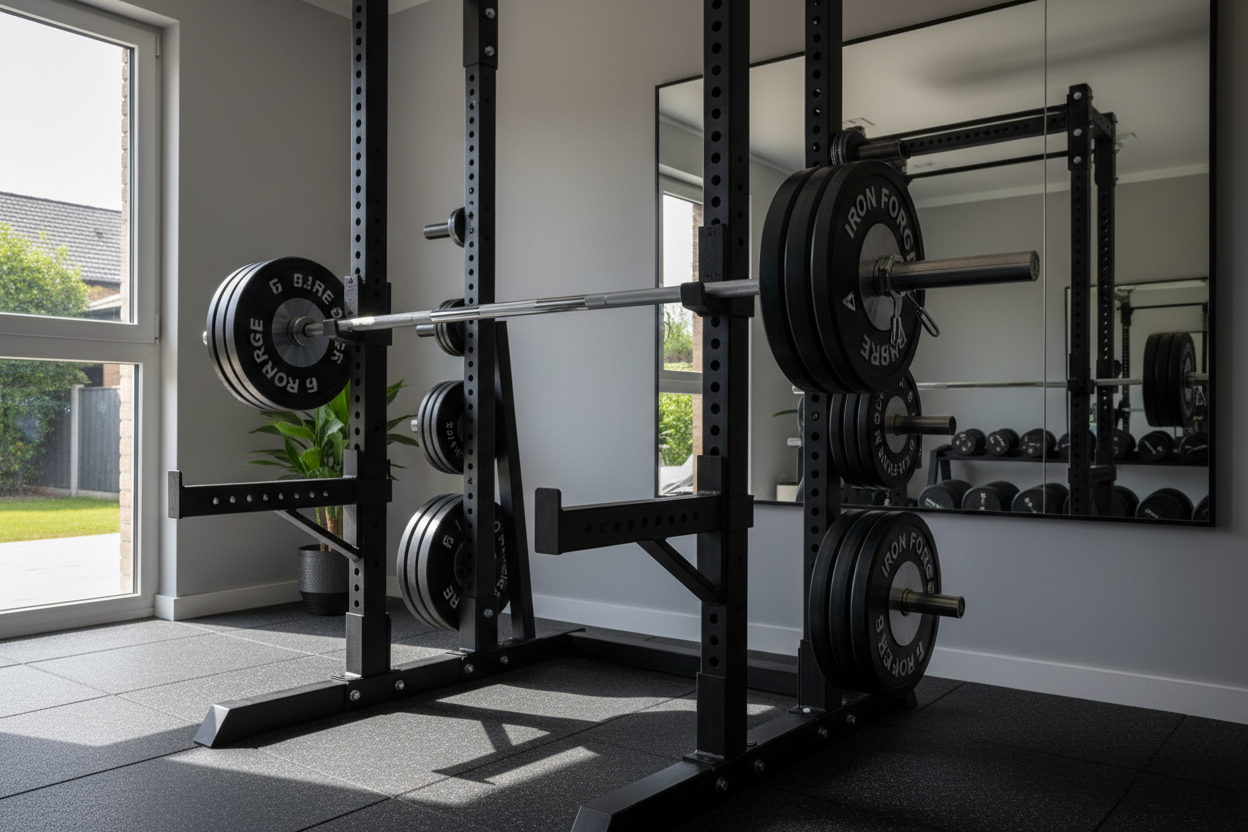
Many beginners overlook the nuances of the equipment they use, assuming that a bar with weight is the same regardless of the brand or design. This couldn't be further from the truth. The specific tensile strength, the knurling (grip texture), and the spin of the sleeves all dictate how effective and safe your workout will be. When you combine a high-quality bar and weight plates, you create a system that allows for infinite progressive overload, which is the fundamental requirement for muscle growth.
My Journey From Cheap Chrome to Olympic Steel
I learned the hard way that not all iron is created equal. When I first decided to stop paying membership fees and train at home, I tried to save money. I hopped online to order barbell sets that were the cheapest I could find. I ended up with a standard one-inch bar that had a slippery chrome finish and fixed bolts on the ends.
It was a disaster. As soon as I started deadlifting anything over 200 pounds, the bar bent permanently. Worse yet, during cleans, the sleeves didn't rotate, which torqued my wrists painfully. Upgrading to a proper weightlifting training bar—one with needle bearings and decent whip—changed everything. The lift felt smoother, my joints hurt less, and I could finally focus on the movement rather than fighting the equipment. That experience taught me that the interaction between the barbell and weight is critical for longevity in this sport.
Understanding the Anatomy of Lifting Bars
To the untrained eye, lifting bars look like simple metal poles, but they are precision-engineered tools. The standard gym weight lifting bar usually weighs 20 kilograms (44 lbs) and is roughly 7.2 feet long. However, the market is flooded with variations designed for specific disciplines.
A powerlifting bar, for example, is stiff. It is designed to hold a massive amount of weight and bar tension without bending too much during a squat or bench press. In contrast, a weightlift bar designed for Olympic movements (the snatch and the clean and jerk) needs to have "whip" or elasticity. This flex allows the lifter to use the momentum of the bar to help propel the weight upward.
You also have the multipurpose bar, often found in CrossFit boxes. These are the jack-of-all-trades in barbells fitness. They have a moderate spin and medium knurling, making them suitable for high-repetition lifting as well as heavy static lifts. If you are looking for a single gym bar with weights to do everything from deadlifts to overhead presses, this is usually the smartest buy.
The Mechanics of Sleeve Rotation
One of the most important features to look for is how the sleeves (the ends where you load the plates) rotate. A weighted barbell bar creates significant torque. If the weights are spinning and the sleeve is stuck, that rotational force transfers directly to your wrists and elbows. Quality bars use bushings or bearings to ensure the weight bar weights spin independently of the shaft. Bushings are great for heavy, slow lifts, while needle bearings offer the fast spin needed for explosive Olympic lifting.
Selecting the Right Gear for Your Setup
When you are ready to set up your weight bar gym area, price is inevitably a factor. Barbells price ranges can be shocking, spanning from $100 for a generic bar to over $1,000 for competition-grade steel. You generally do not need the most expensive bar, but you should avoid the cheapest. A budget of $250 to $400 usually lands you in the "sweet spot" of durability and performance.
Look for zinc or ceramic coatings. Bare steel feels the best but rusts quickly if you don't maintain it. Chrome often chips and can be slippery. When looking at weights bars, check the tensile strength, measured in PSI. Anything above 165,000 PSI is good; anything above 190,000 PSI is excellent and unlikely to bend under normal use.
Furthermore, consider the diameter of the shaft. A 28mm shaft is standard for Olympic lifting, while 29mm is common for powerlifting. That single millimeter makes a massive difference in how the lifting bar with weights feels in your hand during a heavy pull.
Training with the Bar
Once you have your bar with weights, the training philosophy is simple: master the compounds. Isolation machines have their place, but a barbell forces you to stabilize the load. When you squat with a bar and weight across your back, your core, lower back, and stabilizers fire in unison to keep you upright. This systemic stress triggers a hormonal response that machines struggle to replicate.
Start with the "Big Three": the Squat, the Bench Press, and the Deadlift. Add in the Overhead Press and the Barbell Row. These five movements cover the entire body. Using a lifting bar with weights allows you to micro-load, adding small plates (fractional plates) to continue progress even when you are close to a plateau.
Safety and Maintenance
Owning a gym weight lifting bar comes with maintenance responsibilities. Chalk and sweat build up in the knurling, which can cause rust and degrade the grip. Brush your bar down with a nylon brush after heavy sessions. Occasionally, you may need to oil the sleeves to keep the spin smooth. Treat the weight and bar with respect—don't leave weights loaded on the bar for days, as gravity can eventually cause a slight warp in the steel.
Ultimately, the barbell is the most honest piece of equipment you will own. It doesn't do the work for you. Whether you are looking to order barbell equipment for a home gym or just trying to navigate the free weight section at your local club, prioritizing the barbell is the surest way to build a foundation of strength that lasts a lifetime.
Frequently Asked Questions
What is the difference between a standard bar and an Olympic bar?
A standard bar typically has a 1-inch diameter and takes plates with smaller holes, often used in budget home sets. An Olympic bar has 2-inch rotating sleeves, is longer, heavier (usually 20kg), and is built to handle much heavier loads without bending.
Can I leave weights on my barbell overnight?
It is generally bad practice to leave a barbell loaded for extended periods. Over time, the constant downward force of the plates can cause the metal shaft to warp or bend slightly, ruining the bar's straightness and spin.
How do I know which barbell weight to start with?
Most standard Olympic bars weigh 20kg (44lbs) or 15kg (33lbs) unloaded. Beginners should start by learning the technique with just the empty bar to master the movement pattern before adding external plates.