
Unlock Deep Core Strength With the Best Weight Machine for Abs
You have likely spent hours on the floor doing crunches until your neck hurts, only to see minimal changes in your midsection. The problem usually isn't your dedication; it is your lack of resistance. To build blocky, visible abdominal muscles, you need to treat them like any other muscle group: with progressive overload. Finding the best weight machine for abs is the missing link between a flat stomach and a defined six-pack.
Quick Summary: Top Equipment Choices
If you are in a rush to hit the gym floor, here is the breakdown of the most effective equipment based on muscle activation and safety:
- Cable Station (High Pulley): The gold standard for constant tension and versatility.
- Seated Ab Crunch Machine: Best for beginners requiring fixed stability and isolation.
- Captain’s Chair (Weighted): Superior for lower abs when combined with a dumbbell between the feet.
- Rotary Torso Machine: Excellent for obliques, provided you control the range of motion.
Why Bodyweight Is Not Enough
Most gym-goers assume high reps are the key to abs. That is a myth. While high reps build endurance, they rarely stimulate hypertrophy (muscle growth). If you want deep grooves in your core, you need a resistance machine for abs.
Muscles grow when they are forced to adapt to stress. Once you can easily perform 20 bodyweight crunches, you are no longer building strength; you are just doing cardio. Adding a load via a machine allows you to fail in the 8–15 rep range, which is the sweet spot for hypertrophy.
The Crown Jewel: The Cable Station
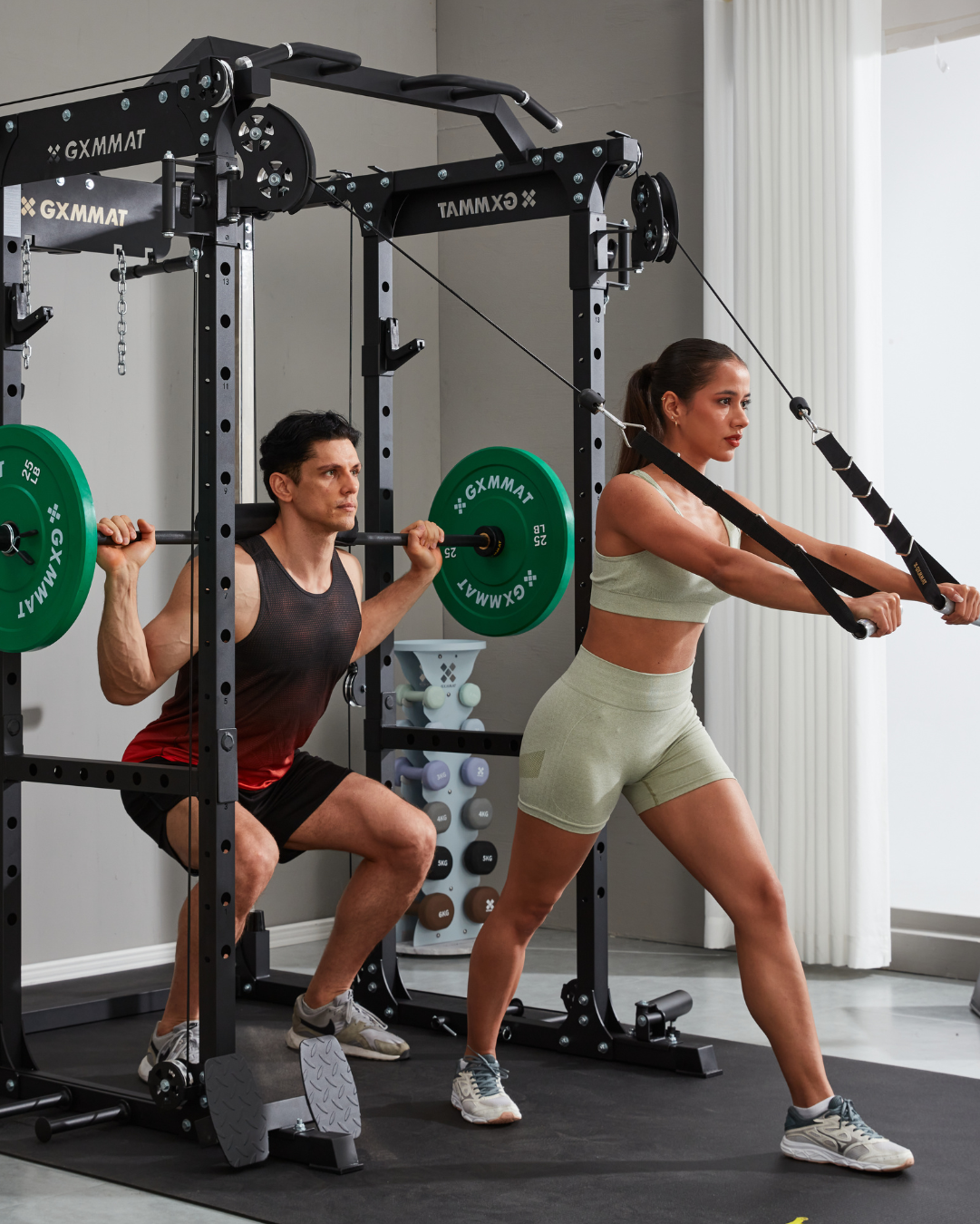
When asking what workout machines are good for abs, the cable station is rarely the first answer, but it should be. It offers something fixed machines cannot: constant tension.
The Kneeling Cable Crunch
This is arguably the most effective movement you can do. Unlike a floor crunch where tension is lost at the top of the movement, the cable pulls you backward, forcing your abs to engage just to maintain position.
The Form Cue: Do not pull with your arms. Imagine your hands are hooks glued to your forehead. Crunch your chest down toward your pelvis, rounding your back intentionally. If your back stays flat, you are working your hip flexors, not your abs.
The Seated Ab Crunch Machine
If you are looking for the best machines to use at the gym for abs that require zero setup, this is it. The seated crunch machine locks your hips in place, which minimizes cheating.
However, be careful with the fit. If the pivot point of the machine doesn't align with your waist, the movement will feel awkward and could strain your lower back. Adjust the seat height until your navel aligns with the machine's axis of rotation.
The Rotary Torso Machine
Rotation is a primary function of your core, specifically the obliques. The rotary machine allows you to load this movement safely.
The mistake most people make here is range of motion. You do not need to twist 180 degrees. A short, controlled 45-degree twist with a heavy pause at the end will do more for your waistline than swinging wildly from side to side.
My Training Log: Real Talk
I want to be transparent about my experience with the seated crunch machine specifically (the TechnoGym version found in most commercial gyms). On paper, it is perfect. In reality, it has quirks.
The first time I really pushed for a heavy set of 10 reps, I noticed two distinct issues that manuals don't tell you about. First, the chest pad gets incredibly slick if you are sweating. I actually started sliding up the pad during the eccentric phase (the way back), which completely killed my leverage. I had to start bringing a towel to drape over the rubber just to maintain friction.
Second, the "shin pads" that hook your feet in are usually brutal on the ankles. When you crunch forward with heavy weight, your body naturally wants to lever upward, driving your shins hard into those rollers. I left the gym that day with bruises on my tibialis anterior (shin muscle) that looked worse than my deadlift scrapes. Now, I explicitly flex my toes upward to create a muscle cushion against the roller. It’s a small tweak, but it makes the difference between focusing on the burn in your abs versus the sharp pain in your legs.
Conclusion
Building a strong core requires more than just floor mats and determination. It requires load. Whether you choose the cable station for versatility or the seated crunch machine for stability, the goal remains the same: progressive overload.
Stop treating your abs like a special endurance muscle. Load them heavy, control the negative, and watch your core strength skyrocket.
Frequently Asked Questions
Is the ab coaster effective for lower abs?
Yes, the ab coaster is highly effective because it utilizes a bottom-up motion. This initiates the movement through the pelvis rather than the shoulders, placing significant stress on the lower portion of the rectus abdominis.
How often should I use weighted ab machines?
Treat your abs like any other muscle group. Train them 2 to 3 times per week with at least 48 hours of rest in between to allow for recovery and growth.
Can weighted ab machines hurt my back?
If used incorrectly, yes. The most common cause of back pain is using too much weight and engaging the hip flexors instead of the abs. Always prioritize form and controlled movement over heavy weight.