Unlock Chest Flexibility with Simple Wall Stretch Techniques
Improving chest mobility and releasing tension in the pectoral muscles can make a world of difference in posture, breathing, and upper body performance. One effective and accessible method is to incorporate wall chest stretches into your daily routine. These stretches require no special equipment, take only a few minutes, and can be performed in nearly any setting, whether at home, office, or gym.
Understanding the Wall Chest Stretch
The wall chest stretch targets the pectoralis major and minor muscles, helping to counteract the effects of prolonged sitting or forward-shoulder posture. Over time, our daily activities—from typing at a computer to driving—can cause these muscles to shorten and tighten, limiting mobility and contributing to discomfort. By using a wall as a stable surface, the stretch isolates the chest muscles and allows for gradual release.
Wall Pec Stretch and Its Variations
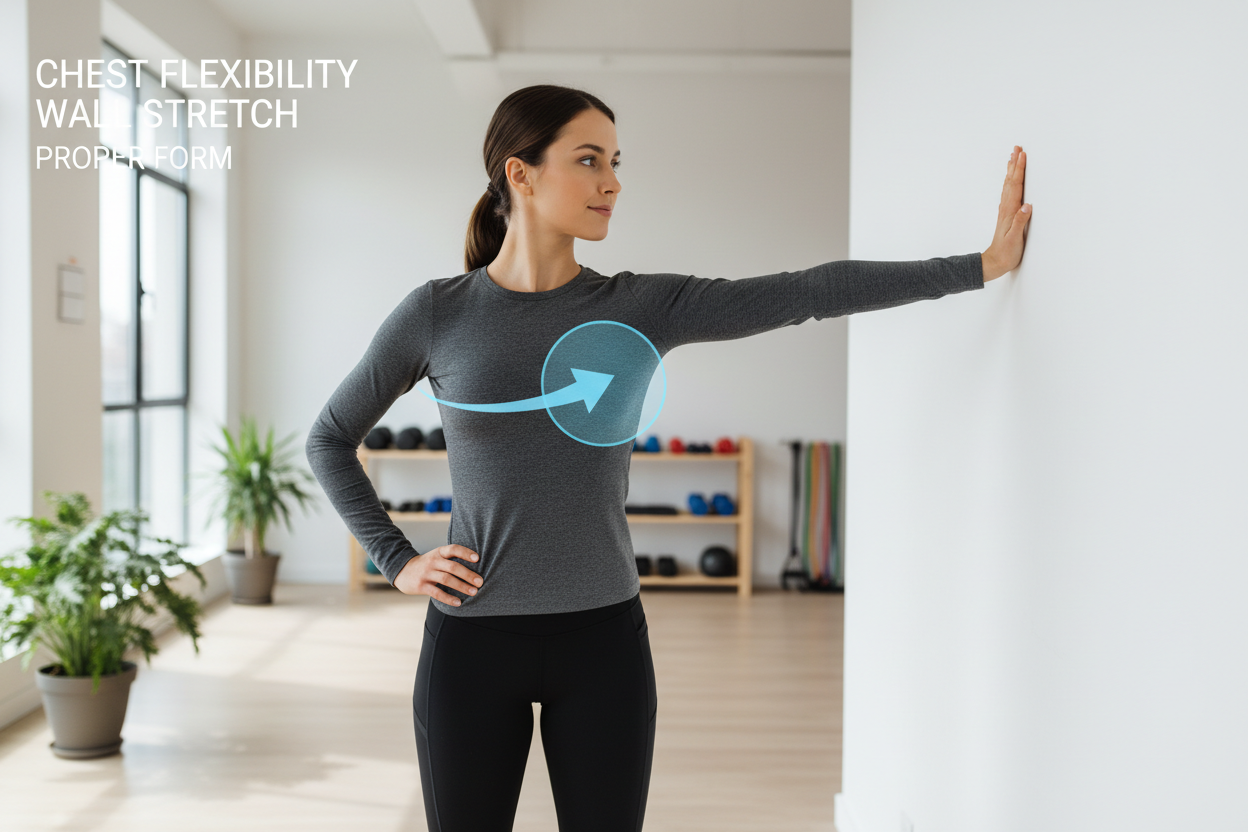
The wall pec stretch is a straightforward movement, but slight variations can provide different levels of intensity and focus. Stand facing sideways to a wall, place your palm and forearm flat against it, and gently rotate your body away from the wall until you feel the stretch through your chest and shoulder. Adjusting the arm position—higher, at shoulder height, or slightly below—can affect which fibers of the pectoral muscles are engaged most.
For beginners, it's best to start with the arm at shoulder height to avoid unnecessary strain. More advanced practitioners might raise the arm to stretch deeper into the upper chest and front of the shoulder.
Wall Pectoral Stretch for Desk Workers
Many people spend hours hunched in front of computers, leading to tight chest muscles and rounded shoulders. The wall pectoral stretch can help reverse these effects by encouraging the shoulders to open and allowing the chest muscles to lengthen. Just a minute or two on each side can relieve some of the stiffness accumulated throughout the day.
Pec Stretch on Wall for Athletes
For athletes, especially those involved in pushing movements such as bench pressing, swimming, or certain martial arts, the pec stretch on wall can be invaluable. It serves as an active recovery tool and helps maintain proper muscle balance. Tight pectorals can limit range of movement and increase the risk of shoulder injuries; performing these stretches after workouts helps keep the muscles supple and functional.
Step-by-Step Guide
- Stand next to a wall, feet shoulder-width apart.
- Extend your arm and press your palm and forearm against the wall.
- Slowly rotate your torso away from your arm until you feel the stretch across your chest.
- Keep your spine neutral and avoid shrugging your shoulder.
- Hold for 20–30 seconds, breathing deeply, before switching sides.
Personal Experience with Wall Chest Stretches
After dealing with mild shoulder discomfort from prolonged hours at a desk, I began adding a wall chest stretch to my morning and midday breaks. Within a few weeks, I noticed my shoulders resting more naturally back and a reduction in general tightness. It became a simple ritual—placing my palm against the wall, gently turning my body, inhaling deeply—and after just a minute, I could feel more openness through the chest area. That ease carried into my workouts, improving my push-up and bench press comfort.
Tips to Maximize the Benefits
- Warm up gently before stretching to encourage blood flow.
- Do not force the stretch—ease into it and let the muscles relax.
- Incorporate it into regular movement breaks during long periods of sitting.
- Breathe steadily to aid muscle release and relaxation.
- Maintain proper posture during the stretch for effectiveness and safety.
Common Mistakes to Avoid
Some individuals tend to over-rotate their torso, which can place unnecessary stress on the shoulder joint. Others lift their shoulder during the stretch, reducing its effectiveness. The key is controlled movement, ensuring the stretch remains focused on the pectoral muscles rather than straining surrounding structures.
Including Wall Stretches in Your Fitness Routine
Whether you're an athlete looking to enhance performance, a professional aiming to improve posture, or simply someone wanting to feel less tension through the chest, the wall chest stretch fits seamlessly into most routines. It can serve as a warm-up, cool-down, or standalone mobility exercise.
Conclusion
Stretching the chest against a wall is a minimal-effort, high-reward practice. With consistent application, it can help counteract daily posture stresses, enhance athletic capability, and improve comfort in everyday movements. Invest a few minutes each day, and over time, you may notice not only improved flexibility but also better overall posture and breathing efficiency.