Understanding the Key Areas of the Chest for Better Health and Fitness
The chest is one of the most important regions of the human body, housing vital organs and supporting functional movements. In both medical and fitness contexts, understanding the different parts of the chest and their roles is essential for evaluating health, improving posture, and enhancing strength. From the anatomical structures to the muscular framework, recognizing the specific areas of the chest can help identify potential issues and enable targeted training or treatment.
Anatomy Overview: Parts of the Chest
The chest, also referred to as the thoracic region, is composed of several interconnected parts. These include the rib cage, sternum, thoracic vertebrae, and associated muscles. The rib cage functions as a protective shield for the heart and lungs, while the sternum provides central support and stability. Between the ribs are intercostal muscles that assist with respiration by expanding and contracting the chest cavity during breathing.
The Upper Chest Body Parts
The upper chest area focuses on the muscles and bones located above the nipple line. Key upper chest body parts include the clavicle (collarbone), upper portions of the pectoralis major muscle, and parts of the shoulder girdle. Developing this area through exercise can improve chest definition, support shoulder movement, and enhance the overall aesthetic and functional balance of the torso.
Main Muscular Areas of the Chest
When we talk about areas of the chest in a fitness or rehabilitation setting, we usually refer to muscle zones:
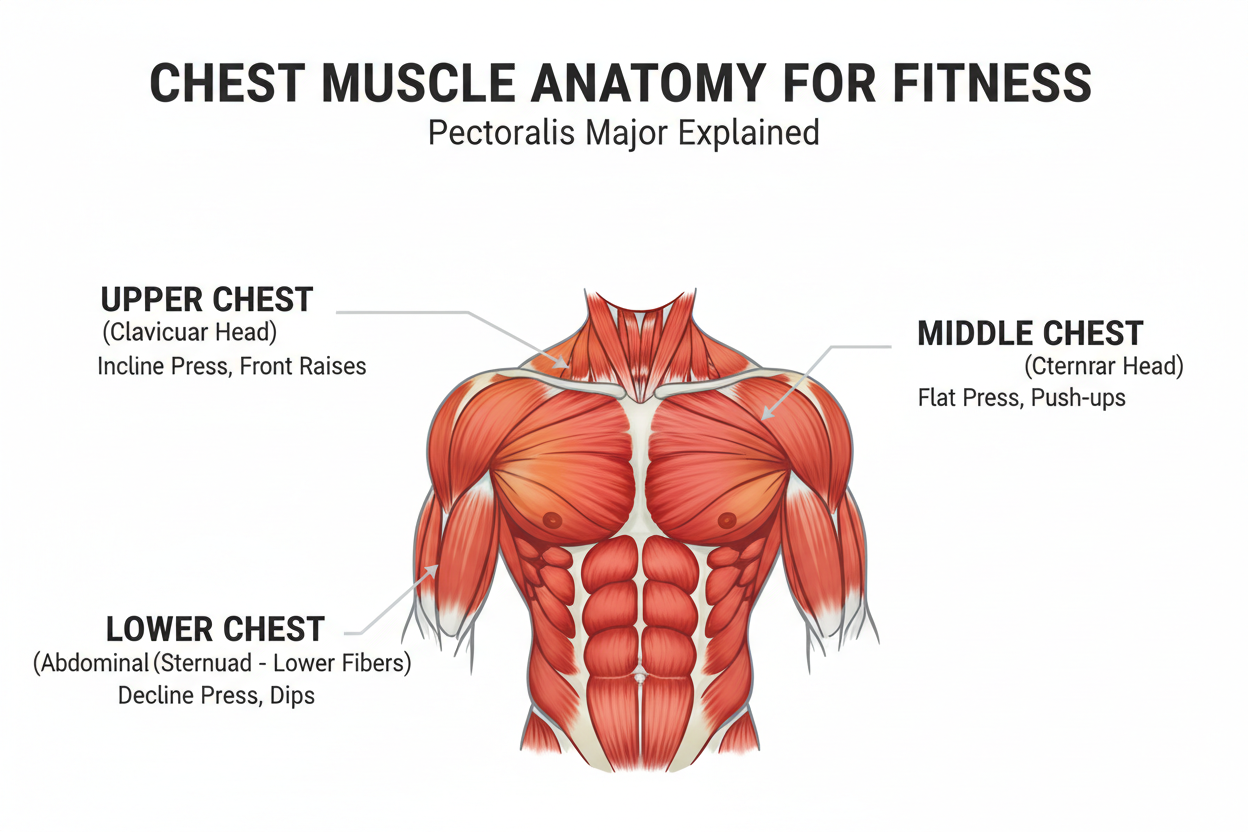
- Upper chest: Located beneath the clavicle, involves the clavicular head of the pectoralis major.
- Middle chest: Central portion of the pectoralis major, responsible for most pushing movements.
- Lower chest: Includes the sternal head of the pectoralis major, contributing to downward pressing and stabilizing actions.
Understanding these zones helps athletes and patients alike in addressing muscle imbalances or in customizing workouts for targeted development.
Protective and Functional Role
The chest not only contributes to upper body strength but also plays a critical role in protecting thoracic organs. The heart, lungs, and major blood vessels are encased within the rib cage and supported by muscles that aid breathing and posture. Proper alignment and strength in the chest area help maintain optimal respiratory function and reduce the risk of injury during physical activities.
Health Considerations
Medical professionals often assess different parts of the chest to diagnose issues such as respiratory problems, muscular injuries, or skeletal abnormalities. For example, pain in the upper chest could be related to muscular strain, while discomfort near the sternum might be linked to joint inflammation or costochondritis. Regular check-ups and early evaluation of unusual sensations can prevent complications.
Training and Care for the Chest
Maintaining the health of the chest muscles and bones involves both strength training and flexibility exercises. For the upper chest body parts, incline presses and stretches focused on the clavicular head are beneficial. The middle and lower chest regions can be strengthened with flat and decline pressing movements. In addition to workouts, practicing proper posture during daily activities reduces strain and supports balanced muscle development.
Personal Experience
During my own fitness journey, I realized the importance of giving equal attention to all areas of the chest, rather than focusing solely on the middle section. After incorporating targeted upper chest exercises, my shoulder mobility improved noticeably. This balanced approach also enhanced my breathing capacity during endurance activities, highlighting the functional benefit of an evenly trained chest.
Conclusion
Understanding the parts of the chest and their functions can lead to improved health outcomes, enhanced athletic performance, and prevention of injury. Whether the focus is on the upper chest body parts or the entire thoracic region, paying attention to anatomical details and functional needs ensures comprehensive care. A balanced approach to training, posture, and medical awareness contributes to long-term chest health.