Type of Gymnasium Explained: Find Your Perfect Fit
Building a home gym or signing up for a new membership can feel overwhelming when you aren't sure what training style actually suits your needs. Whether you are tired of waiting for the squat rack at a crowded commercial facility or just want a focused, results-driven space in your garage, identifying the right type of gymnasium is step one. This guide will break down every major gym style so you can tailor your equipment, layout, and budget to your exact fitness goals.
Key Takeaways
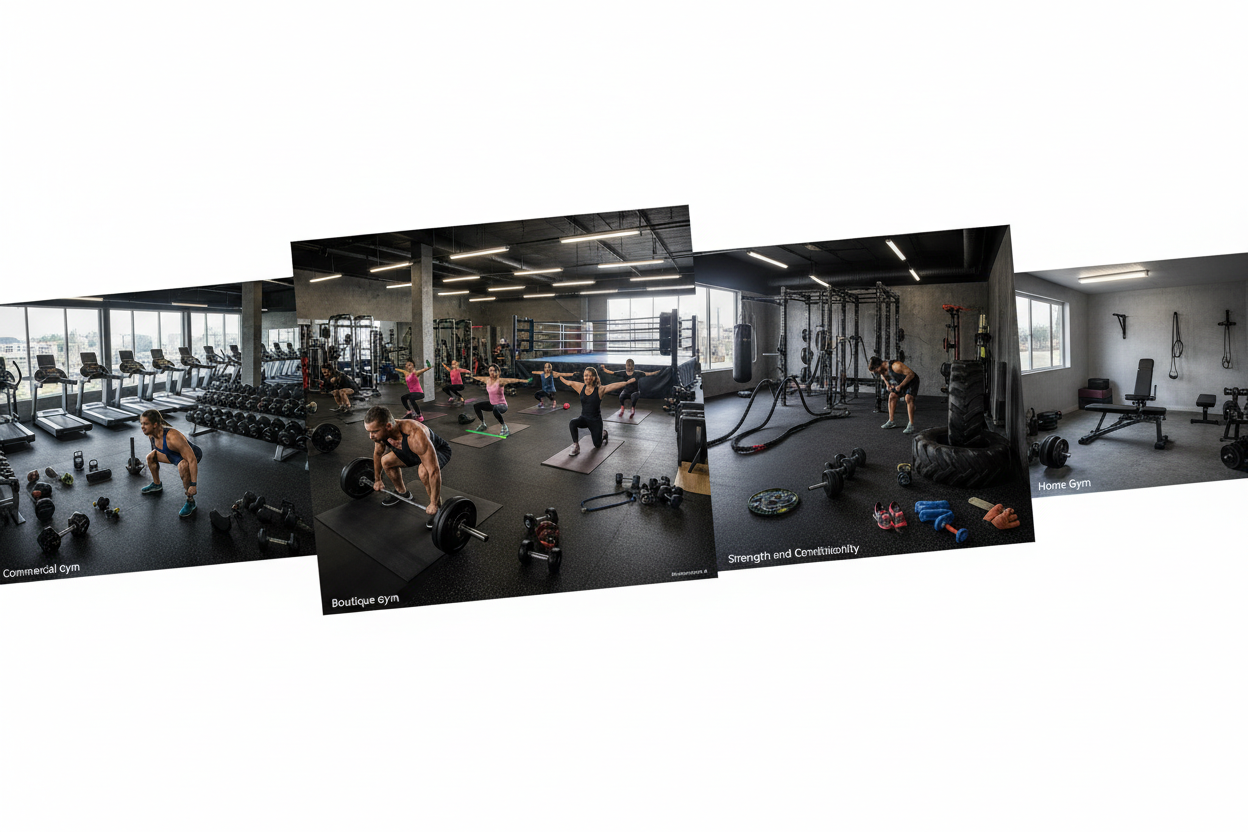
- Commercial Facilities: Ideal for general fitness, featuring a wide mix of cardio, selectorized machines, and free weights.
- Strength & Conditioning Clubs: Focused heavily on barbell lifting with power racks, deadlift platforms, and calibrated plates.
- Functional Training Boxes: Require open floor space, rigs, and versatile gear like kettlebells, medicine balls, and gymnastic rings.
- Boutique Studios: Highly specialized, smaller spaces focusing on a single modality like spinning, Pilates, or HIIT.
Understanding Every Gym Category
Before buying a single dumbbell or signing a contract, you need to understand the landscape. The fitness industry has evolved rapidly, and there are now several different types of gyms catering to highly specific training methodologies.
The Traditional Big Box
This is the classic commercial facility designed to appeal to the masses. It is packed with rows of treadmills, elliptical machines, and a modest free-weight section. If you want to replicate this at home, you will need versatile, space-saving equipment like an adjustable functional trainer or a compact Smith machine that allows for dozens of isolation exercises.
The Iron Haven: Strength & Power
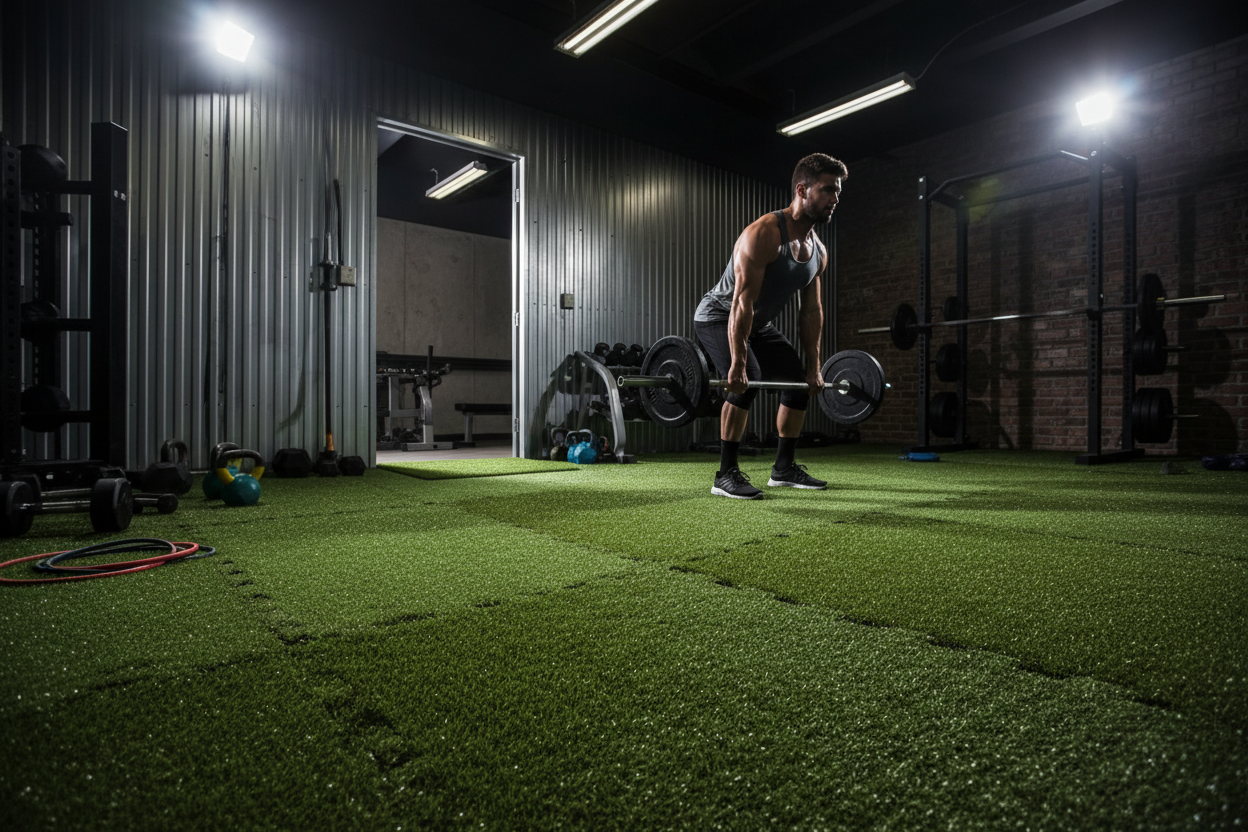
A completely different gym experience awaits in powerlifting and bodybuilding facilities. Here, the focus shifts entirely to heavy, compound movements. The core equipment includes heavy-duty power racks, competition benches, and specialty barbells. Durability is non-negotiable in this gym category, meaning you will need 11-gauge steel racks and high-density rubber flooring to protect your foundation.
Translating Different Types of Gyms to Your Home
Once you have identified your preferred style, the real challenge is fitting it into a standard North American garage, basement, or spare bedroom.
Space Planning for Functional Fitness
If your goal is to mimic a CrossFit box or functional training facility, open floor space is your biggest asset. You do not need bulky leverage machines. Instead, prioritize a wall-mounted folding rack, thick stall mats to handle dropped bumper plates, and overhead clearance. Most product pages won't tell you this, but you need at least 9 to 10 feet of ceiling height for safe wall balls and muscle-ups.
Equipping a Hybrid Setup
Trying to blend different gym styles? A hybrid approach is incredibly popular for home setups. Start with a solid 3x3-inch steel power rack as your centerpiece, add an adjustable flat-to-incline bench, and invest in a set of adjustable dumbbells. This covers 90% of your bases without eating up a two-car garage.
From Our Gym: Honest Take
When I first built my garage gym, I made the classic rookie mistake: I tried to replicate a massive commercial facility in a 400-square-foot space. I bought a cheap treadmill, a flimsy bench press combo, and a wobbly lat pulldown tower. It was cluttered, hard to navigate, and uninspiring.
It wasn't until I decided on a specific type of gymnasium—a dedicated powerbuilding setup—that my training actually took off. I sold the clutter and invested in a commercial-grade 6-post rack with 1-inch hole spacing and an aggressive Ohio power bar. My chalked grip finally held solid through heavy deadlift sets, and at 6'2, I finally had the 89-inch rack height needed to unrack overhead presses comfortably. Pick a lane, buy the right gear for that specific style, and your workouts will dramatically improve.
Frequently Asked Questions
What are the most common types of gyms?
The most common categories include commercial big-box gyms, functional fitness boxes, powerlifting or weightlifting clubs, and boutique fitness studios. Each dictates a unique equipment layout, community vibe, and training atmosphere.
How do I choose the right gym category for my home setup?
Analyze your current workout program. If you primarily do barbell lifts, a strength-focused setup with a power rack and platform is best. If you prefer high-intensity circuits, prioritize open space, kettlebells, and a pull-up rig.
Can I combine different gym styles in one space?
Yes, but it requires smart space planning. Using multi-functional equipment, like a power rack with a drop-in cable crossover attachment, allows you to blend heavy free-weight training with machine-style isolation work without requiring the massive footprint of a commercial facility.