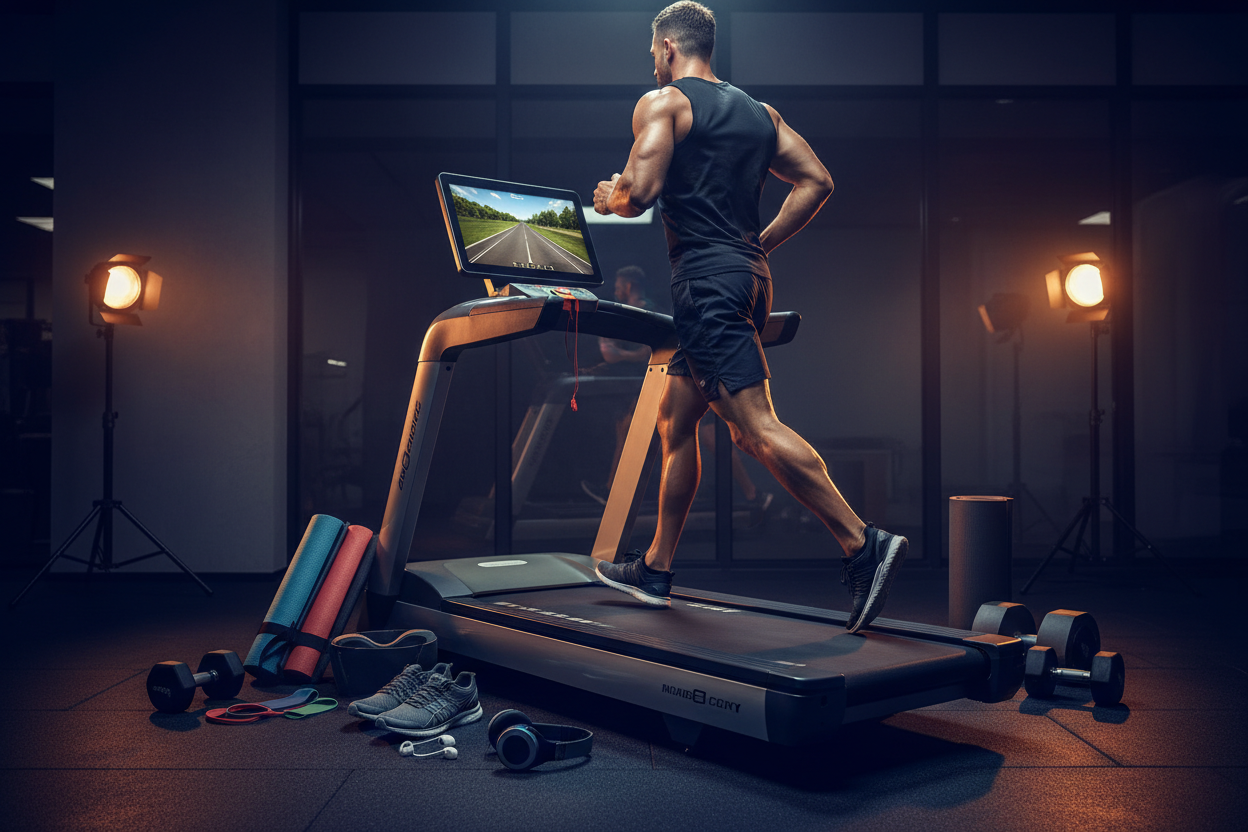
Treadmill Top Rated Secrets: What Actually Makes a Great Buy
Building a home gym often starts with one foundational piece of cardio equipment, but the overwhelming number of options can leave you paralyzed. Whether you are trying to escape brutal winter weather or just need a reliable way to get your daily miles in, finding a treadmill top rated by actual users and experts is crucial.
But what does that top-tier status actually mean? In this guide, we cut through the marketing noise to help you understand exactly which specs matter, how to measure your space, and how to choose a machine that won't become an expensive clothing rack.
Key Takeaways
- Motor Power: Look for at least 3.0 CHP (Continuous Horsepower) for running, not just peak HP.
- Belt Size: Runners over 6 feet tall need a minimum 60-inch running deck for a safe stride.
- Tech vs. Build: Many high rated treadmills prioritize heavy-duty frames and advanced cushioning over built-in touchscreens.
- Space Requirements: Always account for the step-up height plus the user's height when placing treadmills in low-ceiling basements.
Decoding the Specs: Motor, Belt, and Build
Continuous Duty Horsepower (CHP) Explained
The biggest mistake buyers make is looking at peak horsepower. A motor might hit 4.0 HP for a few seconds, but what matters is the continuous duty horsepower (CHP). For consistent jogging and running, you want a motor rated at 3.0 CHP or higher. Walkers can get away with 2.0 to 2.5 CHP. This ensures the motor will not overheat or stutter during longer, intense training sessions.
Running Deck Dimensions
Your stride length dictates your belt needs. While compact treadmills might offer a 50-inch deck, anyone running at high speeds or standing over 6 feet tall should look for a 60-inch belt. Width is equally important; a 20-inch width is standard, but a 22-inch width provides a much-needed extra margin of error for tired legs at the end of a long run.
Fitting a Treadmill Into a North American Home
Basement Ceilings and Garage Floors
Many of the most popular, high rated treadmills are substantial pieces of machinery. If you are setting up in a basement, pay close attention to the step-up height (the distance from the floor to the running deck). Add this to the height of your tallest user, plus an extra 6 inches for bounce and incline clearance. For garage gyms, remember that extreme temperature fluctuations can affect the electronics and belt tension, so a dedicated equipment mat and climate control are highly recommended.
From Our Gym: Honest Take
We test dozens of cardio machines every year, and I have spent hundreds of miles on units claiming to be the absolute best. Recently, I logged 50 miles on a highly recommended commercial-grade model in my own garage gym. The deck cushioning was fantastic—my knees felt noticeably less fatigued compared to pounding the pavement. However, there is a caveat most product pages ignore: the initial setup. Out of the box, the belt on this premium unit was slightly off-center and required manual tensioning before my first run. It is a minor 5-minute fix with an Allen wrench, but it is a reminder that even premium equipment requires baseline maintenance. Also, at 250 pounds, getting it down the basement stairs was a literal heavy lift—definitely recruit a friend.
Frequently Asked Questions
Is a top-rated treadmill worth the investment for a home gym?
Yes, if you plan to use it consistently. Cheaper, entry-level treadmills often feature smaller motors that burn out quickly under the strain of running. Investing in a durable unit ensures longevity, better joint protection, and a smoother running experience.
How much space do I actually need?
Beyond the footprint of the machine itself (typically 6 to 7 feet long and 3 feet wide), safety guidelines recommend at least 6 feet of clear space directly behind the treadmill and 2 feet on each side to prevent injury in case of a fall.
Do I need a built-in touchscreen?
Not necessarily. Many serious runners prefer machines with basic LCD consoles and a sturdy tablet holder. This allows you to use your own iPad for streaming apps without being locked into a single brand's expensive subscription ecosystem.