
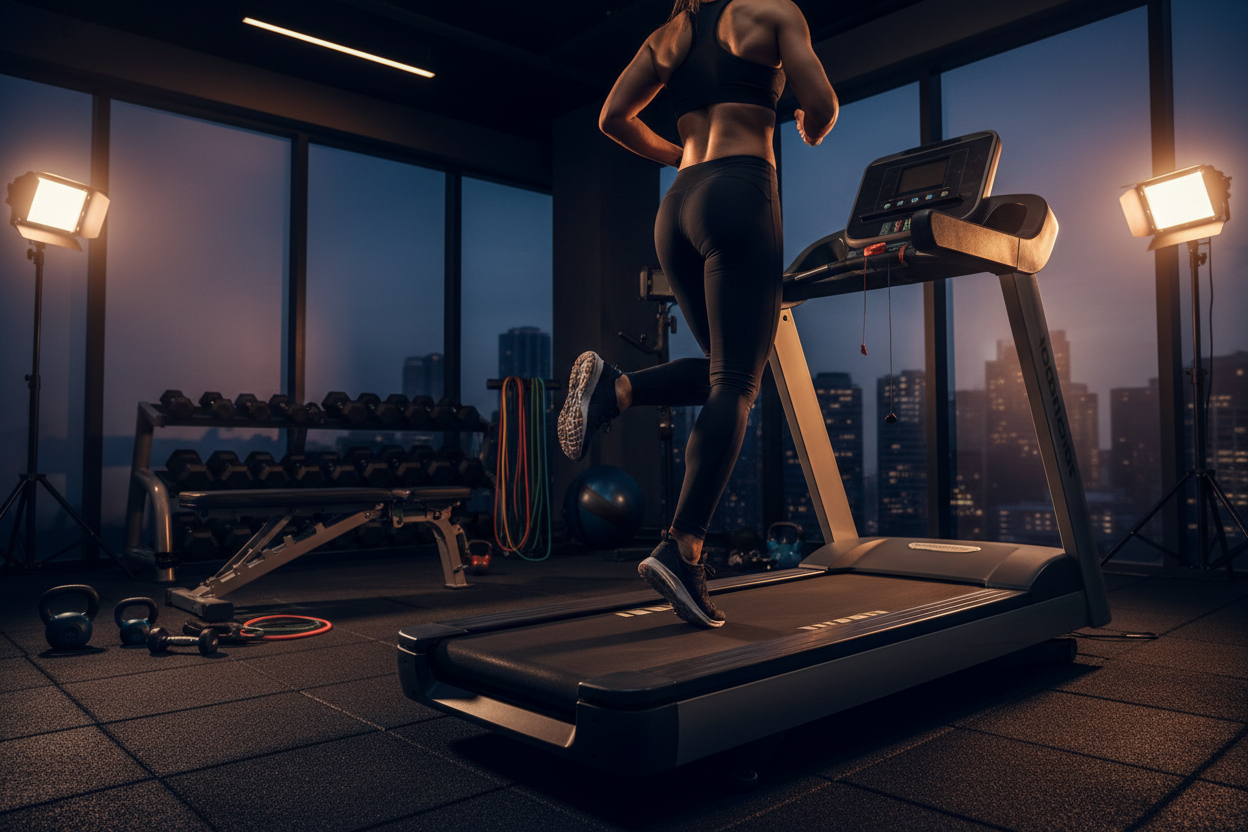
Treadmill Sport Explained: Master Your Indoor Running
If you have ever stared at the basement wall during a grueling winter run, you know how quickly indoor cardio can plateau. But treating your equipment as just a winter backup is a missed opportunity. Welcome to the world of treadmill sport—a dedicated approach to indoor running that transforms a standard cardio machine into a specialized training ground.
Whether you are training for an upcoming 10K, recovering from an injury, or simply trying to maximize your home gym efficiency, understanding the mechanics of a high-performance running deck is crucial. In this guide, we will break down what separates a basic walking pad from a true athletic machine, how to plan your space, and how to train effectively.
Key Takeaways
- Motor Power is King: Look for at least a 3.0 CHP motor if your training involves high-speed intervals or long-distance endurance.
- Cushioning Matters: Advanced deck suspension reduces joint impact by up to 30% compared to road running.
- Space Requirements: Always account for at least 6 feet of rear clearance and an 8-foot ceiling for incline training.
- Interactive Training: Modern units integrate with apps to simulate real-world terrain through automatic incline and decline adjustments.
Decoding the Sport Treadmill
Not all running machines are created equal. When you transition from casual jogging to serious athletic training, the hardware needs to keep up. A true sport treadmill requires a continuous horsepower (CHP) motor of 3.0 or higher. This ensures the belt does not lag or stutter when your foot strikes the deck during a full sprint.
Motor and Deck Essentials
Beyond the motor, the physical dimensions of the running deck dictate your comfort and safety. A running surface of at least 22 inches wide by 60 inches long is non-negotiable for taller runners or those with a long stride, allowing for natural movement without the fear of stepping off the belt.
Incline and Decline Capabilities
To mimic outdoor running, your equipment must offer variable terrain. The best models provide up to a 15% incline and a 3% decline. This downward slope is critical for training the anterior tibialis and preparing your quads for downhill races, making your indoor sessions directly translate to outdoor performance.
Fitting a Running Setup in Your Home Gym
North American home gyms often face the same constraints: low basement ceilings or uninsulated garage floors. Proper space planning prevents costly return shipping and ensures a safe workout environment.
Clearance and Flooring Needs
Safety is the priority. You need a minimum of 6 feet of unobstructed space behind the deck. If you are setting up in a basement, calculate your head clearance by adding your height, the deck step-up height (usually 8 to 12 inches), and an extra 15 inches for maximum incline. Finally, always place a high-density rubber mat under the machine to dampen vibration and protect the motor from floor dust.
From Our Gym: Honest Take
We have tested dozens of cardio machines over the years, and treating indoor running as a legitimate discipline changed our perspective. Last winter, I logged over 300 miles on a commercial-grade unit in my unheated garage gym. The difference a 4.0 CHP motor makes during 12 mph interval sprints is night and day—the belt grip held solid without a single micro-stutter, even when I was fatigued and my foot strike became heavy.
However, I will be completely honest about the drawbacks: these machines are incredibly heavy. Moving a 300-pound unit down a narrow flight of basement stairs is a nightmare. If you are investing in a premium model, pay the extra fee for room-of-choice delivery. It is worth every penny and saves you from a massive headache before your first run.
Frequently Asked Questions
Is a treadmill sport model worth the investment for a home gym?
Yes, if you plan to run consistently or perform high-intensity interval training (HIIT). Cheaper models with smaller motors will burn out quickly under the stress of daily athletic use, making a premium model more cost-effective in the long run.
How much space do I actually need?
Plan for a footprint of about 3 feet wide by 6 feet long for the machine itself, plus an absolute minimum of 6 feet of clear space directly behind the belt for safety in case of a fall.
Can I put my running machine in a cold garage?
It is possible, but extreme temperature fluctuations can cause condensation on the electronic components and harden the running belt. If you keep it in an unheated garage, use a heavy-duty cover and let the machine warm up at a low speed for a few minutes before jumping into a sprint.


