
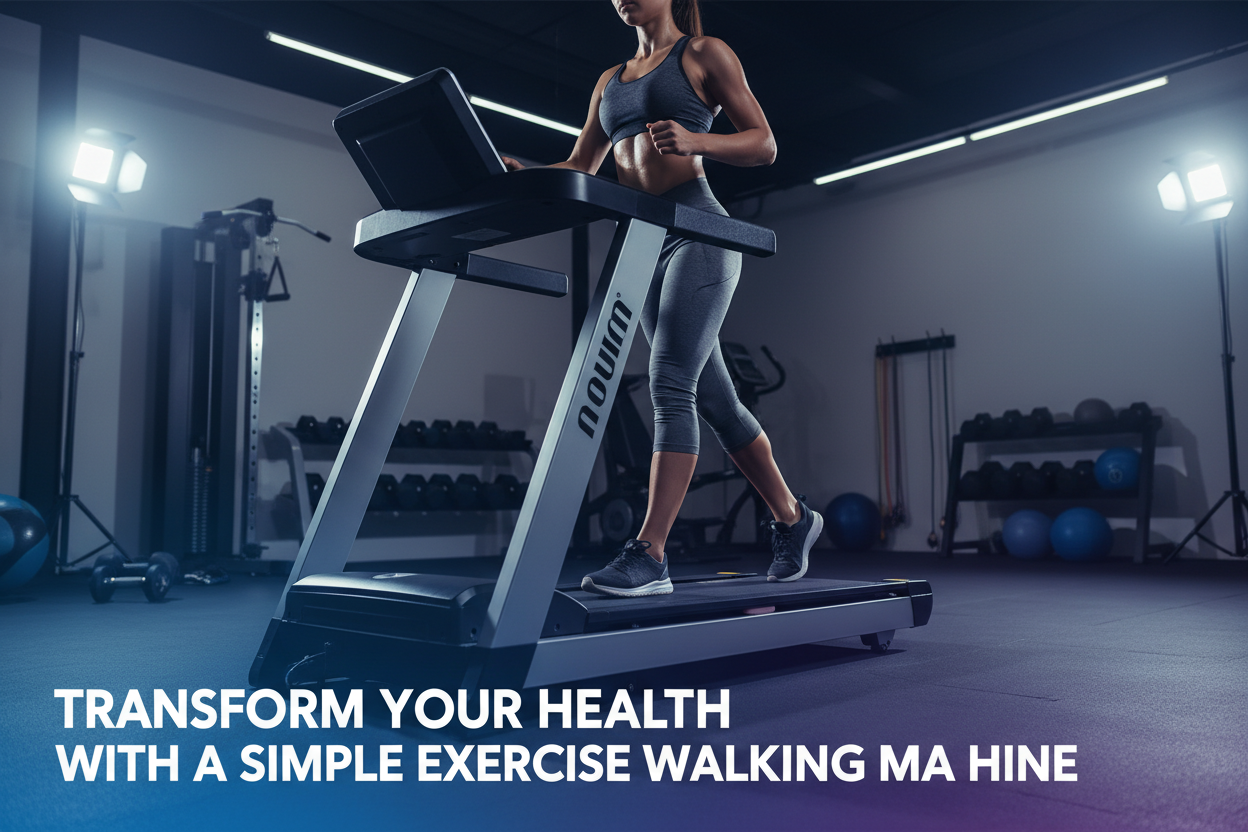
Transform Your Health With a Simple Exercise Walking Machine
We often overcomplicate fitness. We think we need heavy iron, complex plyometrics, or a membership to a high-end facility to see results. But the truth is, the most effective tool for sustainable fat loss and cardiovascular health might be sitting right in your living room. An exercise walking machine removes the biggest barrier to consistency: the environment.
Whether it is raining, snowing, or you are simply stuck on endless conference calls, having a dedicated station to keep moving changes the game. This isn't about training for a marathon; it is about increasing your NEAT (Non-Exercise Activity Thermogenesis) without wrecking your joints.
Key Takeaways
- Consistency Over Intensity: A walking fitness machine allows for daily, low-impact movement that accumulates massive calorie burn over time.
- Space Efficiency: Modern walking machines (especially walking pads) are designed to slide under beds or desks, unlike bulky commercial treadmills.
- Joint Protection: Unlike pavement, the cushioned belt of a machine for walking reduces impact on knees and hips.
- Multitasking Potential: An indoor walking machine is the only piece of cardio gear that truly allows for productivity while training.
Beyond the Standard Treadmill
Many people confuse a dedicated walking machine for exercise with a standard running treadmill. While they look similar, the engineering differs. A running walker machine is built with a high-horsepower motor to handle the impact of sprinting. In contrast, a specialized walking machine focuses on torque at lower speeds.
If you try to walk slowly for hours on a cheap running treadmill, you often burn out the motor controller because it lacks the cooling capacity for sustained low-speed drag. A proper home walker machine is designed specifically for that long-duration, steady-state grind.
Types of Walking Equipment
When selecting your gear, you will generally encounter three categories:
- Under-Desk Walking Machines: These have no handrails (or collapsible ones). They are strictly for walking while working.
- Manual Curved Treadmills: A gym walk machine often found in CrossFit boxes. These are non-motorized and require you to move the belt with your feet. They recruit more hamstring and glute muscles.
- Hybrid Foldables: A walk machine for home use that can handle a light jog but folds up vertically to save space.
The Science of Low-Intensity Steady State (LISS)
Why use exercise equipment walking stations instead of just hitting the pavement? Aside from climate control, it is about controlled variables. On a walking training machine, you can set a specific pace (e.g., 3.5 mph) and hold it.
This forces a constant heart rate elevation. When you walk outside, you naturally slow down when distracted or tired. The machine acts as a pacer, ensuring that every minute you spend is metabolically active. This is crucial for those using a speed walk machine to improve cardiovascular efficiency without spiking cortisol levels usually associated with HIIT.
Common Mistakes to Avoid
Even with a simple walking machine at gym or home settings, user error is common.
Holding the Handrails
If you are leaning your body weight onto the rails of your gym walker machine, you are cheating the calorie burn. You effectively reduce your body weight, which lowers the energy expenditure. Swing your arms. If you can't walk without holding on, slow the machine down.
Looking Down
Whether you are watching a tablet or your feet, looking down constricts your airway and encourages poor posture (kyphosis). Keep your gaze forward to maintain a neutral spine.
My Training Log: Real Talk
I have spent the last six months testing a popular foldable exercise walking machine under my standing desk, and I want to share the unpolished reality that product descriptions hide.
First, let's talk about the "belt drift." No matter how perfectly you center the belt during setup, after about 45 minutes of walking while leaning slightly to reach my mouse, the belt starts grinding against the left edge. I have to keep an Allen wrench taped to the side of the machine for mid-session adjustments. It’s annoying, but part of the deal with compact units.
Second, is the "sea legs" sensation. The first time I stepped off the machine after a 90-minute session at 2.0 mph, I nearly fell over. My brain had adapted to the moving floor, and the stationary ground felt like it was rushing forward. It takes about two weeks for your vestibular system to stop freaking out when you transition from walking to standing still.
Lastly, don't believe the "whisper quiet" marketing. While the motor hum is low, the sound of your sneakers hitting the deck is rhythmic and audible. My colleagues on Zoom definitely asked, "Are you marching?" until I learned to mute myself when not speaking.
Conclusion
Investing in a walking fitness machine is an investment in your long-term mobility. It removes the friction between you and your daily step count. By choosing the right indoor walking machine and using it with proper form—hands off the rails, head up—you turn sedentary time into active recovery.
Frequently Asked Questions
Can you lose belly fat with a walking machine?
Yes. While spot reduction isn't possible, a walking machine for exercise burns calories. If you remain in a caloric deficit, consistent walking will lead to overall body fat reduction, including the belly area.
Is a manual walking machine better than electric?
A manual walking training machine (often curved) burns roughly 30% more calories because you provide the power. However, they are often bulkier and more expensive than electric walking pads designed for home use.
How long should I use a walking machine daily?
Aim for 30 to 60 minutes. If you are using an under-desk walking machines setup, you can often stretch this to 2-3 hours spread throughout the day at a lower speed without fatigue.

