Top Chest Strength Exercises for Power and Definition
Building a strong chest goes beyond aesthetics—it's a key component of overall upper body strength, posture improvement, and functional fitness. A well-developed chest can enhance pushing power, stabilize the shoulders, and support movements in daily activities or sports. Whether you're aiming to increase raw strength or improve muscle endurance, focusing on the right chest exercises can produce results that last.
Why Chest Strength Matters
The chest muscles, mainly the pectoralis major and minor, work together to facilitate arm movements such as pushing, hugging, and pressing. Strong chest muscles contribute to better shoulder stability and balance between front and back muscle groups, which helps prevent injury. For athletes, a powerful chest enhances performance in sports such as swimming, climbing, and boxing.
Best Chest Strength Exercises to Consider
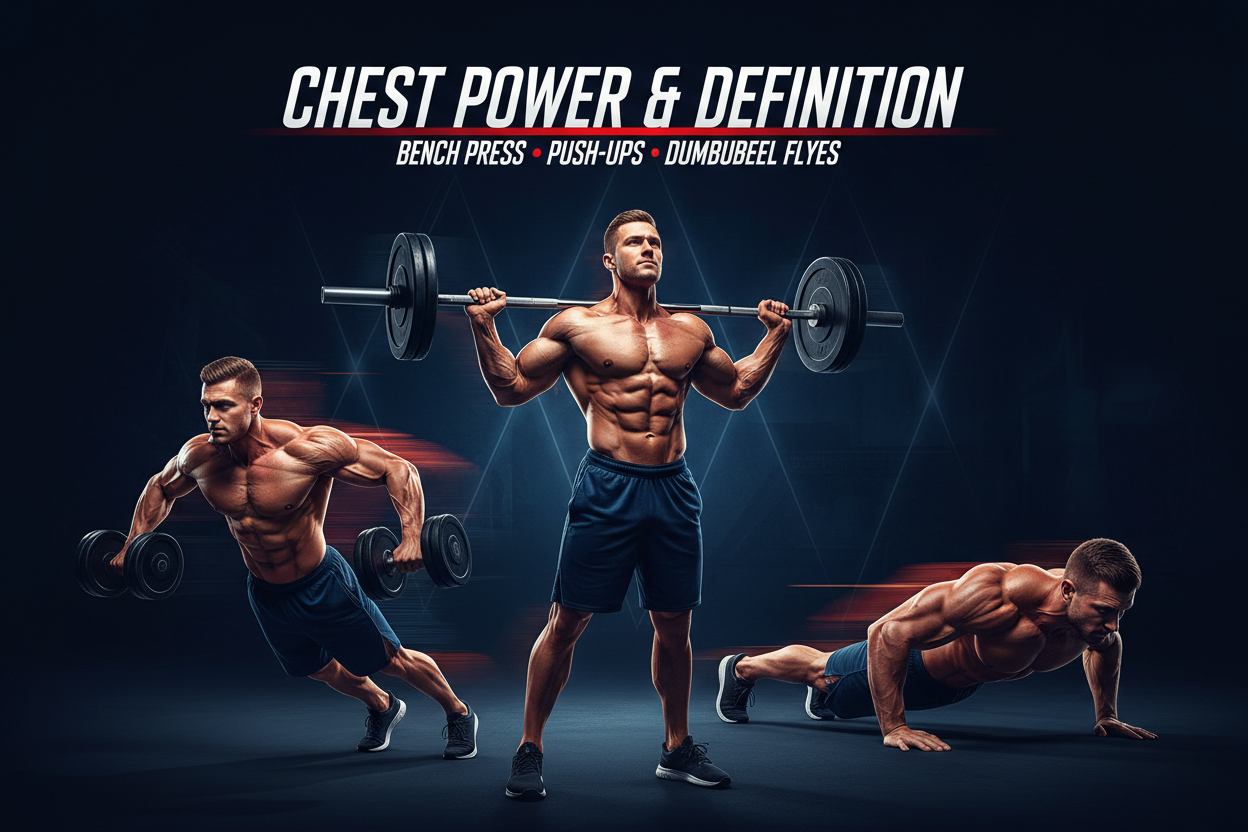
Barbell Bench Press
Often considered the gold standard for chest strength, the barbell bench press allows you to work with heavy weights in a controlled motion. Keep your feet firmly on the floor, lower the bar under control, and press upward without locking your elbows completely. Adjust your grip to target different areas of your chest—wider for more chest activation, narrower for greater triceps involvement.
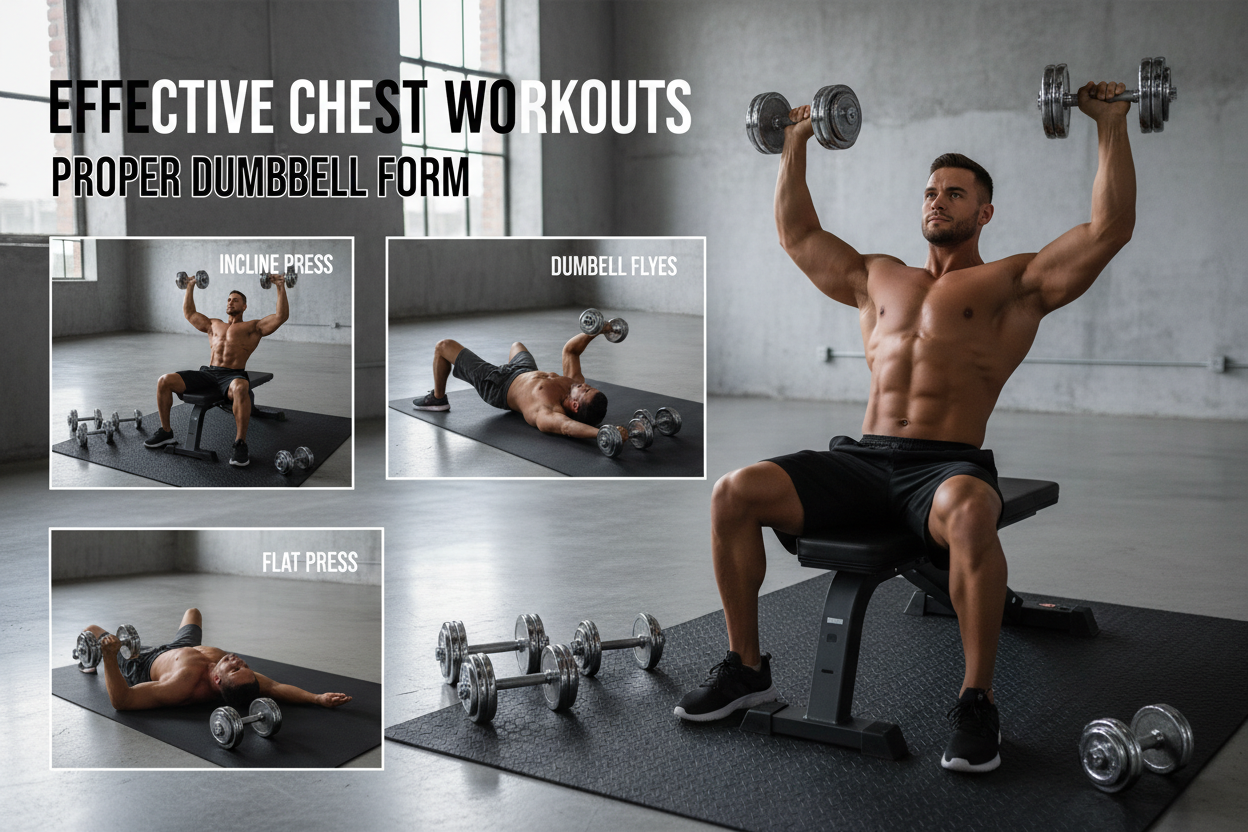
Dumbbell Bench Press
Dumbbells offer a greater range of motion compared to the barbell version. They also require stabilizing muscles to work harder, improving joint control and balance. Focus on lowering the dumbbells slowly and pressing upward in a smooth, controlled manner.
Incline Bench Press
Using an incline position targets the upper portion of the pectoral muscles. This variation can be done with a barbell or dumbbells. Keep your movements steady and avoid bouncing the weights off your chest to reduce injury risk.
Push-Ups
A bodyweight classic, push-ups can be performed almost anywhere. They build strength and endurance in the chest, shoulders, and triceps. Variations such as wide push-ups, diamond push-ups, or decline push-ups can further challenge the muscles and promote growth.
Chest Dips
When performed leaning slightly forward, dips place significant emphasis on the lower chest muscles. This compound movement also strengthens the triceps and shoulders. Use parallel bars and control your descent to limit strain on the joints.
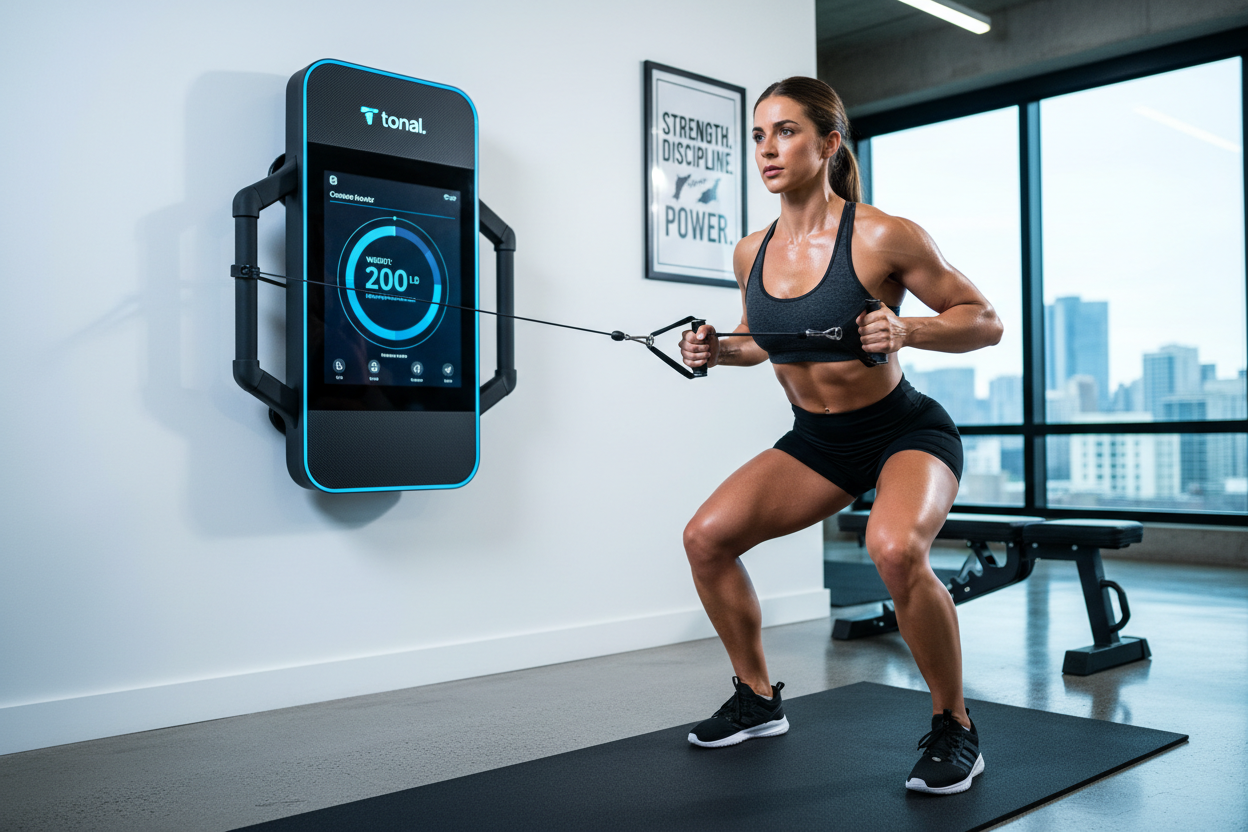
Cable Flys
While not the primary strength builder, cable flys are excellent for stretching and contracting the chest through its full range of motion. This helps improve muscle activation and can support strength gains from heavier compound lifts.
Structuring Your Chest Workout
To maximize strength, combine heavy compound movements like bench presses with accessory exercises such as dips and cable flys. Aim for 3–5 sets of 6–10 repetitions for compound lifts, and 2–3 sets of 10–15 repetitions for isolation exercises. Rest 2–3 minutes between heavier sets to ensure proper recovery.
Common Mistakes to Avoid
One mistake is using excessively heavy weights without proper form—this reduces muscle engagement and increases injury risk. Another is neglecting opposing muscle groups like the upper back, which can lead to imbalances and posture issues. Always prioritize proper technique over lifting heavier weights.
My Personal Experience with Chest Training
When I first started training, I focused only on bench presses, thinking they were enough to build overall chest strength. After months of stagnation, I integrated incline work, dips, and cable flys into my routine. The combination not only improved my strength numbers but also gave me a fuller, more balanced chest appearance. I also discovered that proper rest and recovery between sessions were essential to sustain progress.
Safety and Recovery Tips
Always warm up before your workout with dynamic stretches and light presses to increase blood flow. Use proper spotting when lifting heavy weights to prevent accidents. Include recovery practices like stretching, adequate sleep, and a balanced diet rich in protein to support muscle repair.
Final Thoughts
Developing chest strength requires consistent effort, balanced programming, and attention to form. By integrating proven exercises such as barbell and dumbbell presses, dips, push-ups, and targeted isolation movements, you can steadily boost power and definition. Remember that strength training is a long-term commitment, and combining patience with proper technique will yield lasting results.