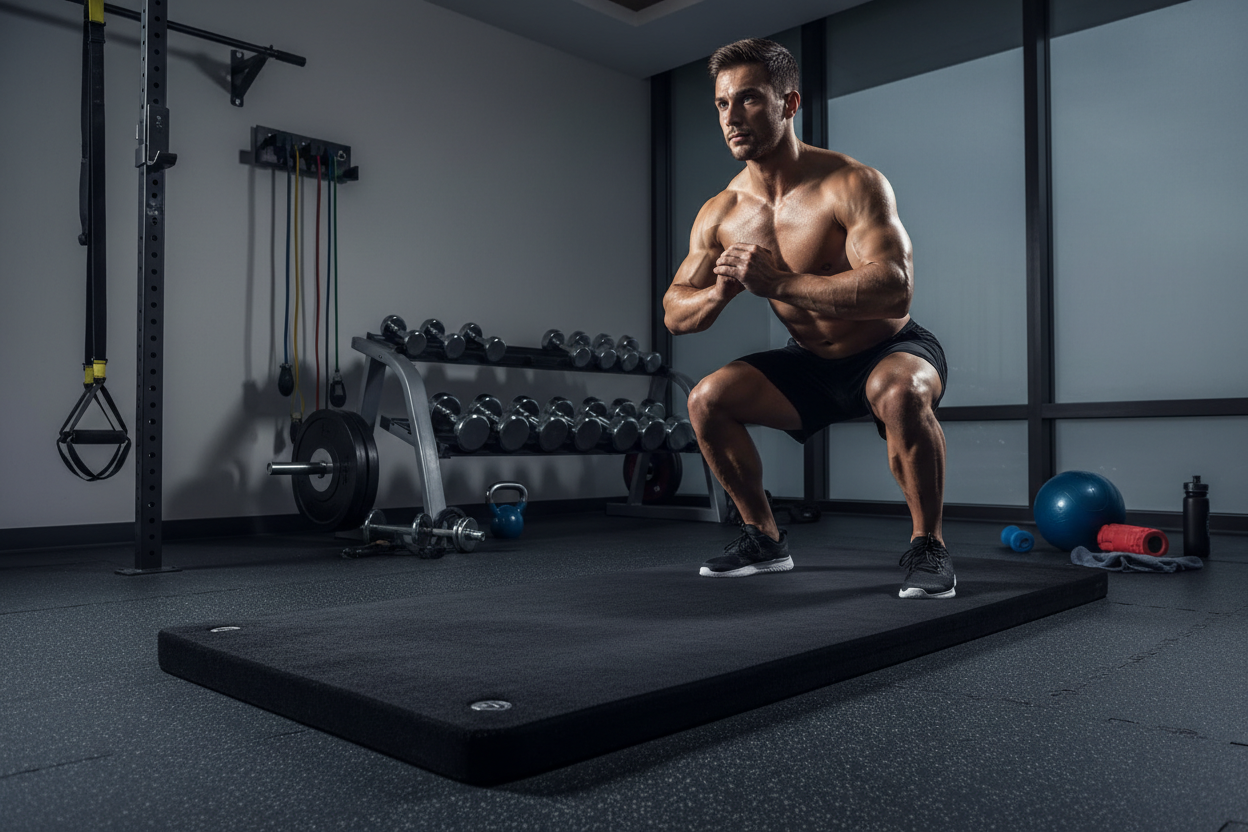
Tone Leg Exercises: How to Sculpt Definition Without The Bulk
Most people misunderstand what it actually takes to change the shape of their lower body. You see people doing endless reps of unweighted kickbacks or spending hours on the elliptical, hoping for that sleek, athletic look. But here is the hard truth: to get that definition, you need to build muscle while managing your body fat percentage.
If you perform the right tone leg exercises, you aren't just burning calories; you are structurally changing the muscle tissue to create firmness. It’s not about doing a thousand reps until you’re bored. It’s about mechanical tension and smart programming. Let’s break down exactly how to achieve that sculpted look without accidentally building legs that don't fit in your jeans.
Key Takeaways: The Toning Blueprint
If you want fast results, you need to ignore the fluff and focus on these core principles. Here is the summary of what works:
- Resistance is Mandatory: You cannot "tone" a muscle that isn't subjected to resistance. Bodyweight is a start, but weighted movements drive results.
- The Rep Range Sweet Spot: Forget the 50-rep sets. Stick to the 8–15 rep range to stimulate muscle density without excessive volume.
- Compound Over Isolation: The best exercise to tone legs involves multiple joints (like knees and hips) moving at once.
- Nutrition is 50% of the Equation: You can have strong muscles, but they won't look "toned" if they are covered by a layer of fat. A slight caloric deficit is often necessary.
The Science Behind the "Toned" Look
The word "tone" is a marketing term, not a physiological one. When clients ask me for a toning legs exercise, what they are really asking for is muscle visibility.
This requires two things happening simultaneously:
- Myofibrillar Hypertrophy: This increases the density of the muscle fibers, making the leg look firm rather than soft.
- Fat Reduction: This removes the subcutaneous layer covering the muscle.
If you only do cardio, you lose fat and muscle, resulting in a "skinny-fat" appearance. If you lift extremely heavy with a calorie surplus, you build bulk. The middle ground—hypertrophy training with maintenance calories—is where the magic happens.
The Core Movements
To construct an effective tone your legs workout, we need to focus on movements that offer the highest return on investment. These aren't fancy, but they work.
1. The Goblet Squat
This is arguably the best exercise to tone legs for beginners and intermediates. Holding a weight at your chest forces your core to engage and allows you to squat deeper safely.
Why it works: It hits the quads and glutes simultaneously. Because the weight is front-loaded, it acts as a counterbalance, helping you keep your torso upright.
2. Romanian Deadlift (RDL)
You cannot have toned legs if you ignore the back of them. The RDL targets the hamstrings and the glute-ham tie-in (that area where the leg meets the butt).
The Cue: Imagine trying to close a car door with your butt while holding groceries. That hip hinge is crucial. You should feel a deep stretch in the hamstrings, not pain in your lower back.
3. Walking Lunges
Dynamic movement is key. Walking lunges challenge your balance and hit the stabilizers in your inner and outer thighs.
Why it works: This movement creates significant metabolic stress (the burn). It targets the "teardrop" muscle just above the knee, which is essential for that athletic aesthetic.
Common Mistakes That Kill Progress
Fearing Heavy Weights
I see this constantly. Women, in particular, are often told to use pink 2lb dumbbells to avoid getting "bulky." This is physiologically impossible for most people without synthetic hormones and massive calorie intakes.
If the last 3 reps of your set don't feel difficult—like you physically couldn't do another with good form—you aren't stimulating the tissue enough to change its shape.
Ignoring Progressive Overload
Doing the exact same workout for six months yields zero changes after the first month. The body adapts quickly. To keep seeing definition, you must increase the weight, reps, or slow down the tempo every few weeks.
My Training Log: Real Talk
I want to be transparent about what a real leg session feels like because Instagram makes it look too pretty. I remember specifically testing a high-volume lunge protocol last year to lean out my quads.
It wasn't the muscle burn that got me; it was the grip strength and the stability. By the third set of walking lunges with 40lb dumbbells, my hands were slipping because the knurling on the handle was worn down and mixing with my sweat. I wasn't just tired; my ankles were wobbling inside my shoes on every step.
There is a specific, unglamorous moment when your shorts start riding up and you’re too exhausted to fix them, and you’re staring at a scuff mark on the floor trying not to tip over. That right there—that ugly, shaky moment—is where the actual change happens. If you finish your workout looking perfectly put together, you probably didn't go hard enough to change your physiology.
Conclusion
Building legs that look sculpted requires intent. It requires moving away from mindless cardio and embracing the discomfort of resistance training. Stop looking for a magic pill and start respecting the iron. If you stay consistent with these compound movements and keep your nutrition in check, the definition will follow.
Frequently Asked Questions
Can I tone my legs without weights?
You can start without weights, especially if you are a beginner. However, your body weight will eventually cease to be enough of a challenge. To continue seeing definition, you will eventually need to add external resistance like dumbbells or bands.
How often should I train legs to see results?
Frequency matters. Training legs once a week usually isn't enough for significant toning. Aim for 2 to 3 times per week, allowing at least 48 hours of rest between sessions to allow the muscle fibers to repair and firm up.
Will squats make my legs bigger or smaller?
Squats build muscle, which technically adds volume. However, muscle is denser than fat. As you build muscle and lose body fat, your legs will likely become smaller in circumference but much firmer and more shapely in appearance.