The Ultimate Leg Day Guide: Build Size and Strength Without Wasting Time
Leg day holds a notorious reputation in the gym. It is the session that makes you question your life choices while resting between sets of squats, and the reason you dread walking down a flight of stairs two days later. However, building a powerful lower body is not just about aesthetics or fitting into your favorite jeans; it is the foundation of athletic performance and functional longevity. If you want to run faster, jump higher, or simply carry groceries without straining your back, you have to put in the work below the belt.
I learned this lesson the hard way a few years back. For the longest time, I treated leg training as an afterthought, doing a few half-hearted sets on the leg press before leaving. It wasn't until I hit a massive plateau in my overall strength—and started developing nagging knee pain—that I realized my neglect was the culprit. I had to completely overhaul my approach, shifting from random machine work to a structured plan centered on compound movements. The difference was night and day, not just in how my legs looked, but in how stable and capable I felt in every other physical activity.
The Foundation of Lower Body Training
To build legs that are as strong as they look, you need to prioritize movements that recruit the maximum amount of muscle mass. A comprehensive legs workout list should always begin with compound lifts. These are exercises that require movement at multiple joints—specifically the hips, knees, and ankles—simultaneously. This triggers a greater hormonal response and allows you to move the most weight, which is the primary driver for strength and hypertrophy.
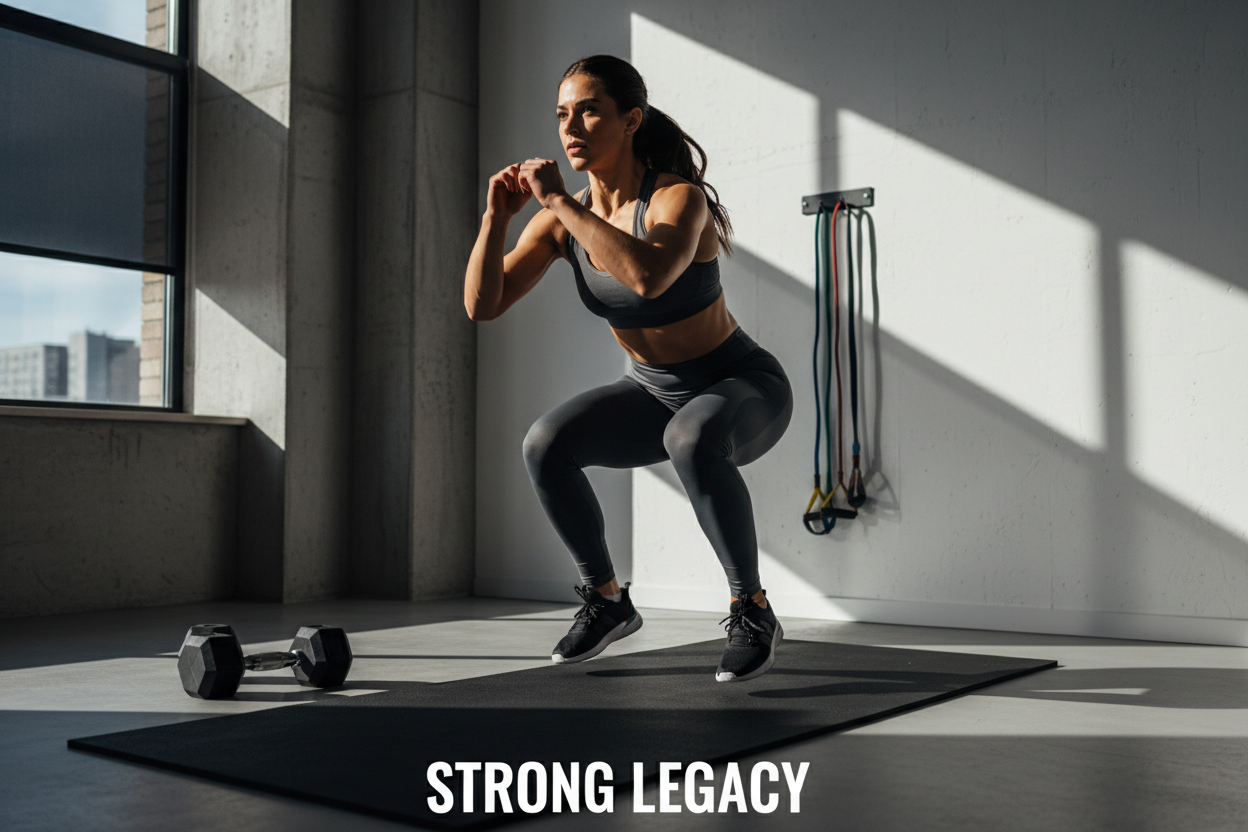
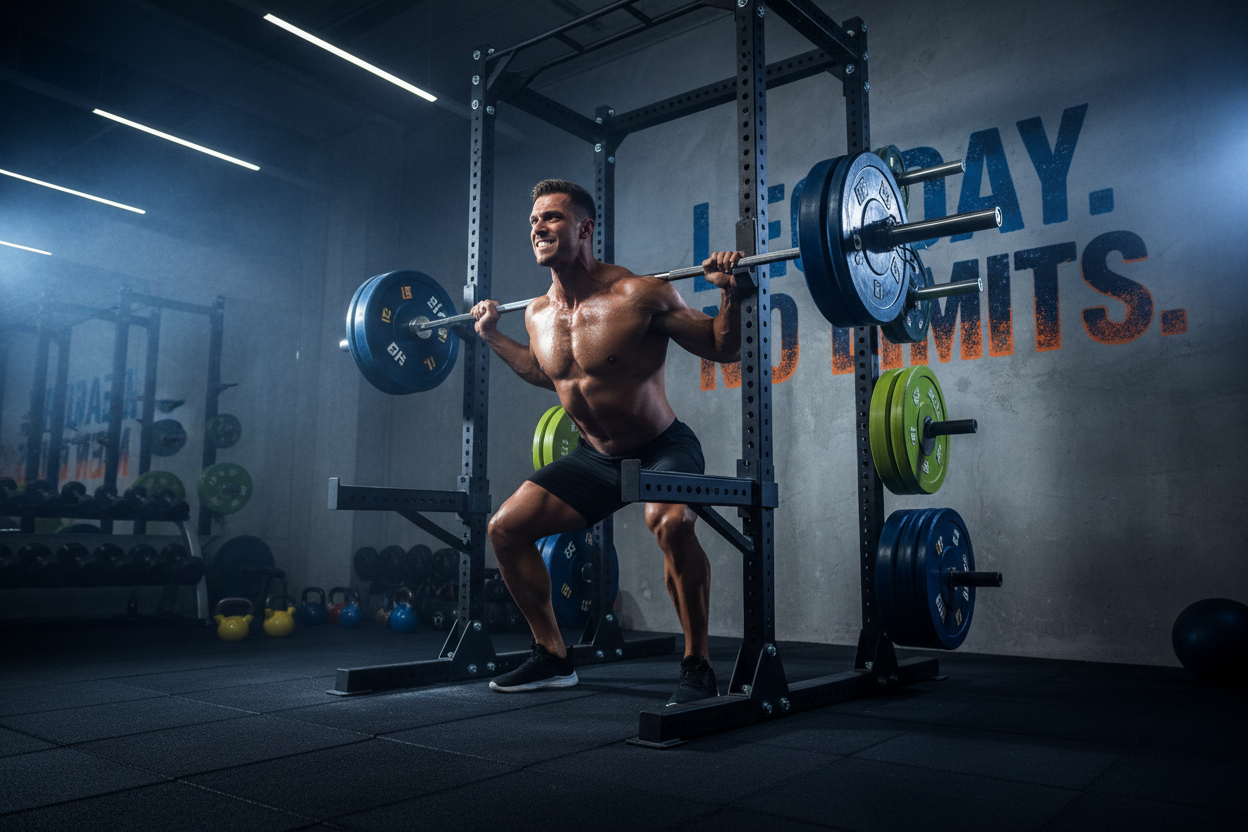
The squat remains the undisputed king of leg exercises. Whether you choose a barbell back squat, a front squat, or a goblet squat, the mechanics of sitting down and standing up under load challenge your quadriceps, glutes, and core. Proper depth is crucial here. Stopping halfway down cheats your glutes out of activation and places unnecessary shear force on the knees. Aim to break parallel if your mobility allows it, maintaining a neutral spine throughout the movement.
Structuring Your Routine
Many people get overwhelmed when trying to design their own program because there are simply too many options. If you search online, you will find an endless list of workouts for legs that promise the world but deliver confusion. The most effective routines are actually quite boring on paper because they rely on progressive overload on a few key lifts rather than constant variety.
A balanced session needs to target the anterior chain (quads) and the posterior chain (hamstrings and glutes). If you only focus on what you see in the mirror, you end up with quad dominance, which is a recipe for injury. Your routine should generally follow this order: heavy bilateral compound movement, unilateral movement, and finally, isolation work to finish off the muscles.
The Essential Movements
When you sit down to list leg exercises for your plan, ensure you have a hip-hinge movement included. The Romanian Deadlift (RDL) is essential for hamstring development. Unlike the squat, which is knee-dominant, the RDL is hip-dominant. It teaches you to load your hips and stretch the hamstrings under tension. I found that mastering the hip hinge was the single best thing I did for my lower back health. It reinforces the posterior chain, which acts as the brake system for your body.
Another non-negotiable is unilateral training. Exercises like the Bulgarian Split Squat or walking lunges are painful, but they are necessary for fixing imbalances. almost everyone has one leg stronger than the other. If you only do barbell squats, the dominant leg will naturally take over, widening the strength gap over time. Single-leg work forces each side to pull its own weight, improving stability and coordination.
A Practical Routine for Growth
Here is a structured list of exercises for legs that covers all the bases. This routine is designed to be performed once or twice a week, depending on your recovery capacity and overall split.
- Barbell Back Squats: 3 sets of 5-8 reps. Focus on controlling the descent and exploding upward.
- Romanian Deadlifts: 3 sets of 8-10 reps. Keep the bar close to your shins and push your hips back until you feel a deep stretch in the hamstrings.
- Bulgarian Split Squats: 3 sets of 10-12 reps per leg. These will test your mental fortitude as much as your physical strength.
- Leg Press: 3 sets of 12-15 reps. Use this to safely add volume without the spinal fatigue of another barbell movement.
- Seated or Lying Leg Curls: 3 sets of 15-20 reps. This isolates the hamstrings and ensures complete development.
- Standing Calf Raises: 4 sets of 15-20 reps. Don't bounce; pause at the bottom for a full stretch.
The Role of Isolation and Machines
While free weights are superior for overall strength, machines have a distinct advantage when it comes to hypertrophy: stability. When you are fatigued from heavy squats, your core might give out before your quads do. This is where machines shine. They stabilize your body so you can take the target muscle to absolute failure safely.
Including a leg extension or a leg curl in your legs workout list allows you to isolate the muscle without worrying about balance. For example, the leg extension is the only exercise that loads the quadriceps in its fully shortened position. This creates a unique stimulus that squats cannot replicate. Use these movements at the end of your workout to fully exhaust the muscle fibers.
Frequency and Recovery
You cannot grow if you do not recover. Legs are a large muscle group, and training them places a significant tax on your central nervous system. If you are training with high intensity, you might find that you need more rest days than you think. Listen to your body. Soreness is normal, but sharp pain in the joints is a warning sign.
Nutrition also plays a massive role. You need adequate protein and carbohydrates to fuel these grueling sessions and repair the damage. Hydration is equally important, as dehydration can lead to cramping during high-volume leg work. Sleep is when the actual muscle building happens, so ensure you are getting quality rest.
Building impressive legs takes time and consistency. It requires embracing the discomfort of heavy lifting and the burn of high-repetition sets. By sticking to a proven list of workouts for legs and focusing on progressive overload, you will see changes. Don't chase the novelty of new exercises every week. Master the basics, add weight to the bar over time, and the results will follow.
Frequently Asked Questions
How many times a week should I train legs?
For most natural lifters, training legs twice a week is the sweet spot for hypertrophy. This frequency allows you to accumulate enough volume to stimulate growth while providing enough days in between for recovery. If you are doing a "bro-split" (one body part per day), once a week can work if the intensity is high enough, but higher frequency generally yields better results.
Can I build big legs without a squat rack?
Yes, while the barbell squat is highly effective, it is not the only way to build mass. You can utilize heavy dumbbells for goblet squats, lunges, and Bulgarian split squats. The key is to maintain high intensity and progressive overload; if you don't have heavier weights, you will need to increase reps or decrease rest times to keep the muscles challenged.
What should I do if my knees hurt during squats?
Knee pain often stems from poor mobility in the hips or ankles, causing the knee to take unnecessary stress. Try reducing the weight and focusing on form, or switch to more knee-friendly variations like box squats or reverse lunges. Warming up properly and incorporating mobility work for your ankles and hips before lifting can also make a significant difference.