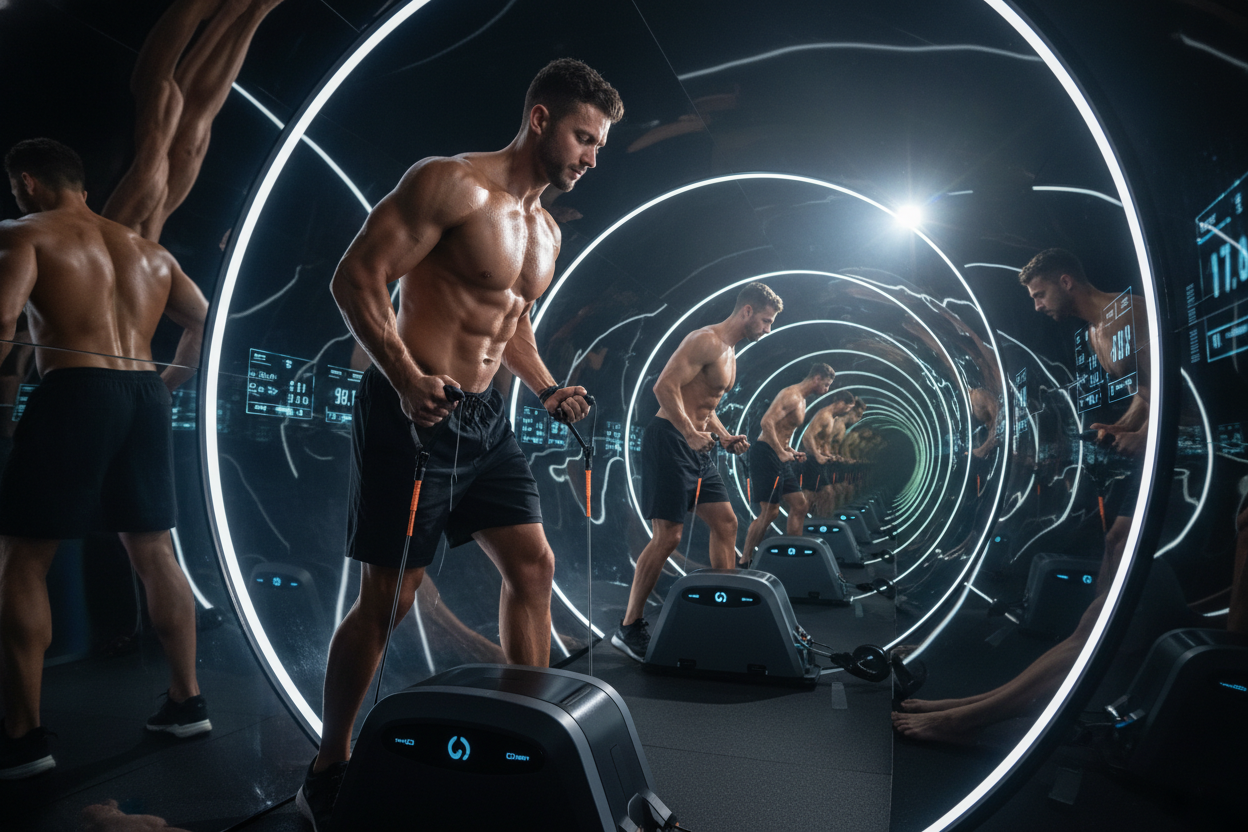
The Tunnel Workout: Is This Smart Gym Trend Actually Worth It?
Building a comprehensive home gym usually means sacrificing an entire garage or basement to bulky racks and weight plates. But what if you could fit a commercial-grade training experience onto a single wall? Enter the tunnel workout—a term that has been buzzing around fitness circles, often used by people hunting for the latest high-tech, wall-mounted smart gyms.
Whether you are mixing up the name with popular brands like Tonal or the Mirror, or you are simply looking for a sleek digital resistance machine to break through your training plateau, this guide will help you decide if these premium systems are right for your space and budget.
Key Takeaways
- The term is often a colloquial mashup for smart wall gyms that use digital weight and interactive displays.
- Electromagnetic resistance feels significantly heavier and provides more constant tension than traditional free weights.
- Professional installation is usually required, demanding standard 16-inch or 24-inch wood studs.
- Monthly subscription fees are a standard ongoing cost to access the full training library and tracking features.
Decoding the Smart Gym Craze
When most people search for this setup, they are actually envisioning a hybrid of the industry's leading smart gyms. The confusion often leads to searches for a tunnel mirror workout, blending the reflective, space-saving aesthetic of workout mirrors with the heavy-duty cable resistance of advanced digital systems.
Digital Weight vs. Traditional Iron
Unlike traditional functional trainers, these machines use electromagnets to generate resistance. This means you can lift up to 200 pounds of digital weight without a single physical plate. The resistance is dynamic, allowing for features like eccentric overloading—where the machine makes the weight heavier during the lowering phase of your lift to maximize muscle hypertrophy.
Space Planning for Wall-Mounted Gyms
One of the biggest selling points of these systems is their minimal footprint. However, 'minimal' doesn't mean you can cram them into a tiny hallway.
Clearance and Stud Requirements
To safely mount a machine that generates hundreds of pounds of force, you need reliable wood or metal studs. Most North American homes feature 16-inch stud spacing, which is ideal. You will also need a minimum of a 7-foot by 7-foot floor space to fully extend the cable arms for exercises like chest flyes or walking lunges. Ceiling height should be at least 7 feet, 10 inches to accommodate overhead presses safely.
From Our Gym: Honest Take
I've spent the last eight months testing various smart gyms in my own garage setup. If you've ever read a wirecutter tonal review, you know they praise the sleek user interface and class variety, but I want to talk about the raw lifting experience. The first time I set the machine to 60 pounds per arm for a bench press, I nearly failed the rep. Digital weight lacks momentum; it is a constant, unforgiving tension that exposes every weak point in your form.
The adjustable cable arms are incredibly versatile, but adjusting them mid-workout takes some getting used to. The locking mechanisms can be stiff during the first few weeks of use. My biggest caveat? You are entirely reliant on WiFi. If your home network drops in the middle of a heavy set, the machine safely cuts the weight, but it definitely ruins the flow of your session.
Frequently Asked Questions
What exactly is the tunnel workout?
It is largely a colloquial term or misnomer used by consumers searching for high-tech, wall-mounted smart gyms that feature digital resistance and interactive screens, combining concepts of various brand-name machines.
Do I need a monthly subscription to use these machines?
Yes. While you can use some basic functions offline, the vast majority of features—including dynamic weight modes, progress tracking, and on-demand classes—require an active monthly membership.
Can these machines replace a traditional power rack?
For most general fitness enthusiasts and even advanced lifters, yes. However, competitive powerlifters who need to squat or deadlift well over 200 pounds will still require traditional barbells and iron plates.