The Truth About Using machines for shoulders Instead of Free Weights
I spent years as a barbell purist, convinced that if I wasn't fighting a shaky dumbbell or a heavy iron bar, I wasn't really training. Then I hit a wall where my joints felt like they were filled with crushed glass every time I pressed. I finally swallowed my pride and started looking at machines for shoulders to get the volume I needed without the systemic fatigue.
Quick Takeaways
- Machines provide constant tension that dumbbells physically cannot match at the bottom of the movement.
- Stability equals more weight moved; when your core isn't the limiting factor, your delts actually grow.
- The lateral raise machine is the single most effective tool for building the 'cap' on your shoulders.
- Avoid fixed-path machines that don't allow for a neutral grip if you have existing impingement issues.
Why Fixed Paths Aren't the Enemy
The hardcore lifting scene loves to hate on anything with a pin and a cable. They'll tell you that 'functional' strength only comes from free weights. That's fine if you're training for a circus act, but if you want shoulders that look like cannonballs, you need hypertrophy. Fixed-path shoulder machines allow you to push to absolute failure without worrying about a 100-pound dumbbell crashing onto your face.
When you use a machine for shoulder workout, you're removing the need for stabilizer muscles to do the heavy lifting. This sounds like a bad thing until you realize it lets you isolate the medial and posterior heads of the deltoid with surgical precision. I've found that my mind-muscle connection is ten times stronger when I'm locked into a seat than when I'm wobbling on a bench.
The Only 3 Gym Shoulder Machines You Actually Need
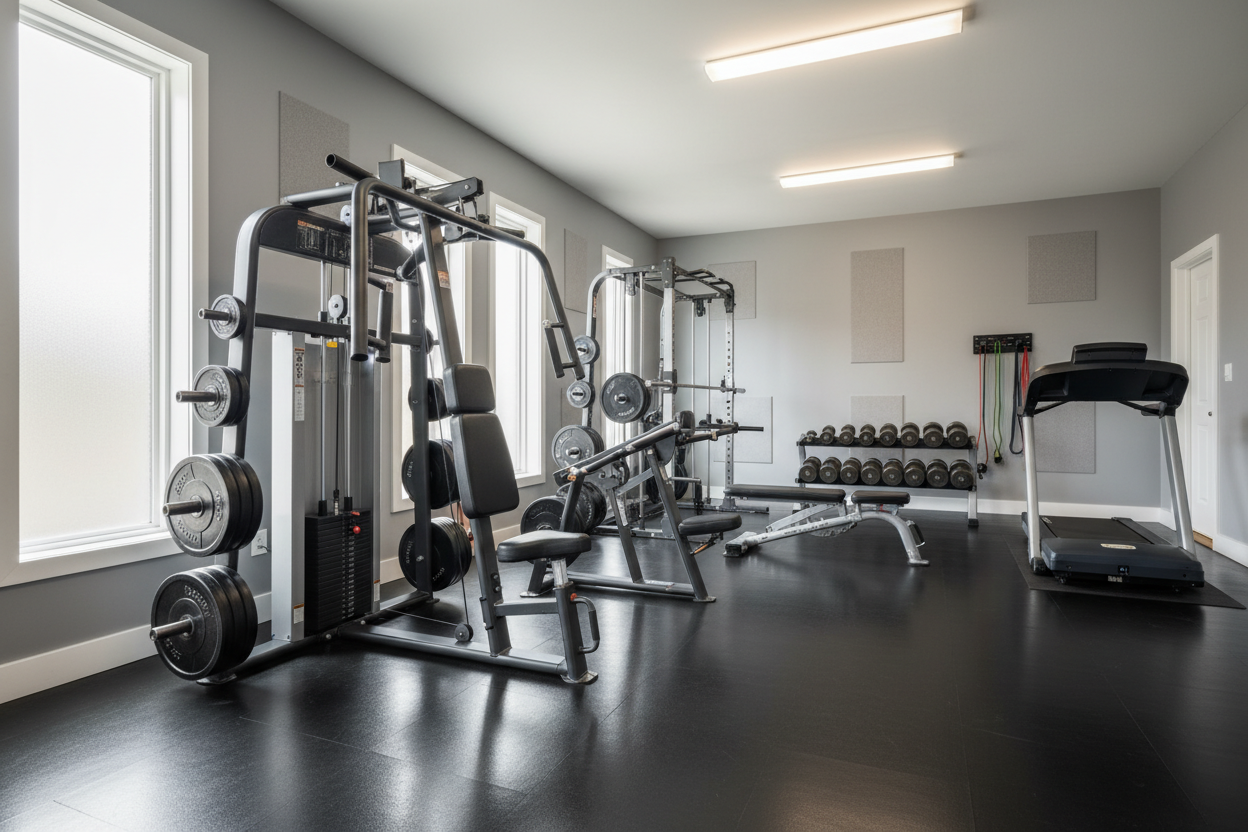
You don't need every piece of chrome in the building. Most gym shoulder machines are redundant. Stick to the heavy hitters. First is the selectorized overhead press. It’s the meat and potatoes. Before you start loading plates, check out this guide to shoulder workout machine names so you know exactly what you're looking for in a commercial setting.
Next is the lateral raise machine. Dumbbells are heaviest at the top and weightless at the bottom; a good machine provides a smooth, consistent resistance curve throughout the entire arc. Finally, the reverse pec deck is the king of rear delt development. It’s one of the best gym machines for shoulders because it forces you to stay in the plane of motion where the rear delt actually works, rather than letting your traps take over.
The Overhyped Equipment You Should Skip
Not all shoulder fitness equipment is created equal. I avoid the old-school, straight-bar Smith machines for pressing. They lock your wrists and elbows into a vertical line that doesn't account for the natural J-curve of a human press. It’s a recipe for an AC joint flare-up that will keep you out of the gym for a month.
Also, be wary of any shoulder exercise gym machine that doesn't have adjustable seat heights. If you're 6'2' and the machine is built for someone 5'8', your mechanics will be trashed. If the handles feel like they’re forcing your elbows too far behind your torso at the start, walk away. It’s not worth the labrum tear.
How to Sequence Your Shoulder Workout on a Machine
I like to start my session with a heavy shoulder workout machine. Since I'm not worried about balance, I can go heavier than I ever could with dumbbells. I usually aim for the 6-8 rep range here. It saves my lower back from the strain of a standing overhead press while still letting me move serious iron.
Once the heavy pressing is done, I move to isolation. This is where the shoulder exercise on machine shines. I’ll use the lateral raise machine for high-rep sets—think 15 to 20 reps—until the burn is unbearable. Using machines that work shoulders as finishers allows you to reach a level of fatigue that’s just too dangerous to attempt with free weights when you're tired.
Replicating the Machine Pump in a Garage Gym
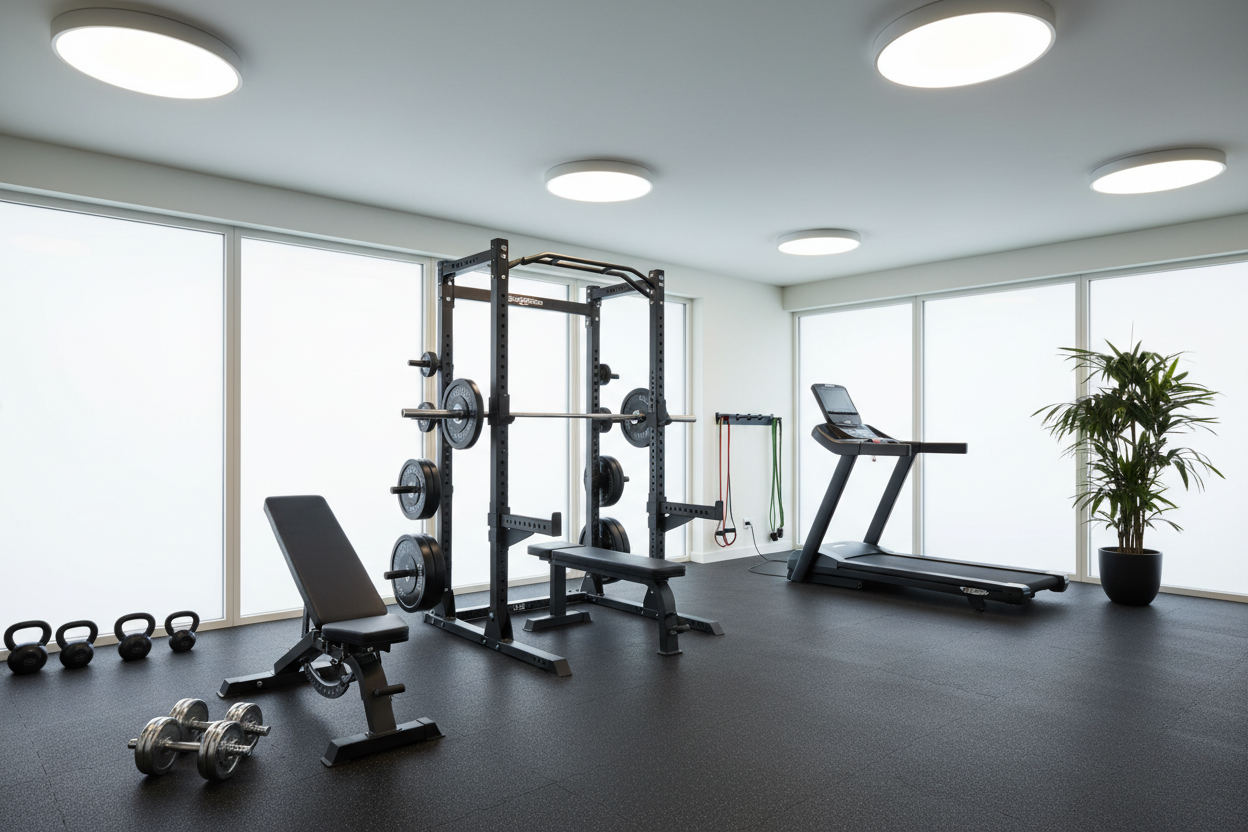
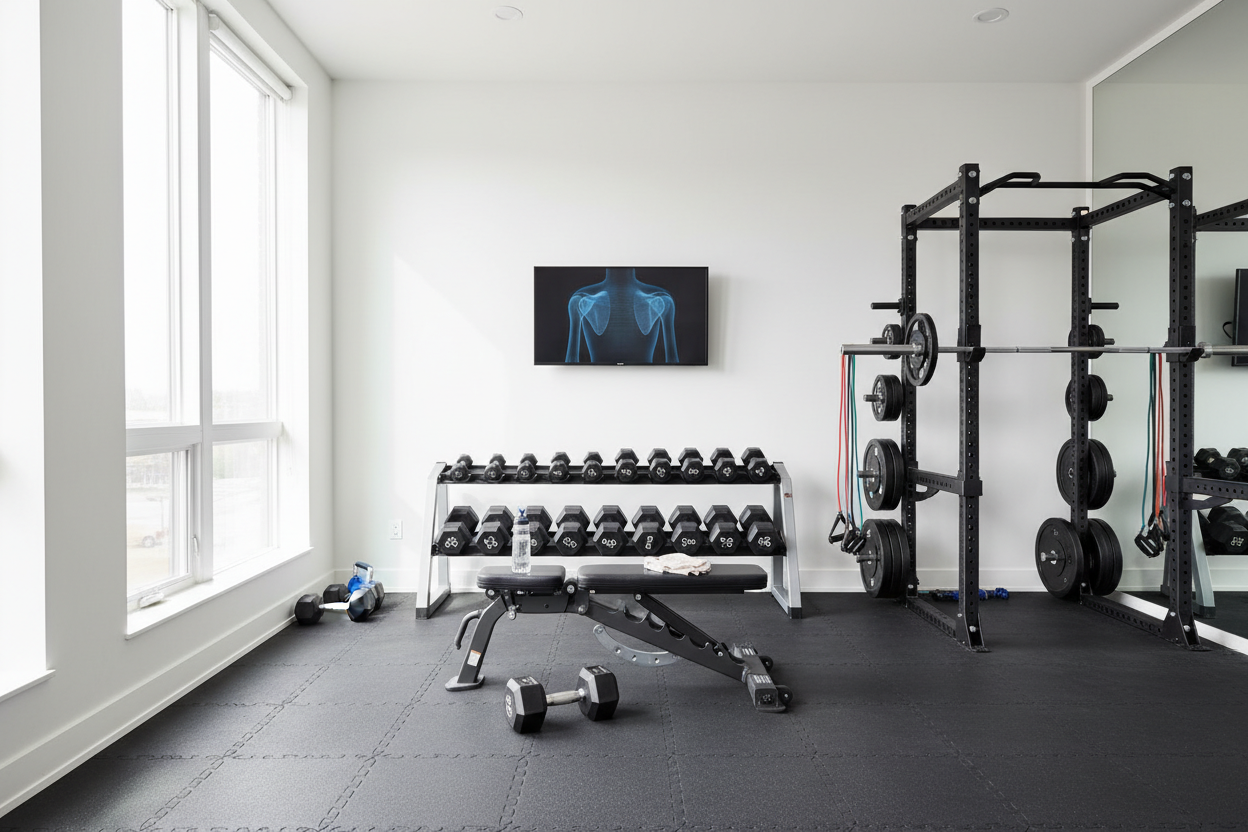
Most of us don't have $3,000 and 20 square feet to spare for a commercial lateral raise unit. If you're training at home, you have to get creative to find a similar shoulder exercise machine feel. I use heavy-duty resistance bands anchored to the bottom of my power rack to mimic the constant tension of a cable system.
The key is stability. If you're doing seated presses at home, you need stable gym flooring for home workout to ensure your bench doesn't slide as you drive through your feet. A solid base is the difference between a productive set and a trip to the ER. I once tried to max out on a slick garage floor and my bench kicked out like a startled horse. Learn from my stupidity: anchor your gear.
FAQ
Are shoulder machines safer than dumbbells?
Generally, yes. They eliminate the risk of dropping weights and limit your range of motion to a 'safe' track. However, if the machine's path doesn't match your body's natural mechanics, it can cause overuse injuries over time.
Can I build big shoulders using only machines?
Absolutely. Your muscles don't have eyes; they only know tension and load. If you're progressively overloading your gym machines for shoulders, they will grow. Many pro bodybuilders rely almost exclusively on machines to stay injury-free.
What is the best machine for rear delts?
The reverse pec deck (or rear delt fly machine) is the gold standard. It keeps the tension on the muscle throughout the entire movement, which is incredibly hard to do with dumbbells without using momentum.