The Truth About the Equipment Bodybuilding Influencers Push
I remember looking at my first garage setup and thinking it needed to look like a pro dungeon. I spent hours scrolling through the equipment bodybuilding pros were tagging in their posts, convinced I needed a $3,000 hack squat to get big legs. The reality hit when I realized my 200-square-foot garage couldn't fit a single commercial leg press without me losing the ability to park my car or, you know, breathe.
Quick Takeaways
- Isolation machines are space-killers in a home gym environment.
- Versatility beats specificity every single time when you have limited square footage.
- High-quality cables provide the constant tension needed for hypertrophy without the bulk.
- Avoid cheap 'bolt-on' accessories that compromise the resistance curve.
Why Your Garage Shouldn't Look Like Gold's Gym
Commercial bodybuilding fitness equipment is built for one thing: abuse. It’s designed to survive 18 hours of daily use by guys who don't respect the gear. In a home setting, you don't need 11-gauge steel frames that weigh 600 pounds for a simple chest fly. You need smart engineering that maximizes your range of motion and keeps the tension on the muscle, not on your floor joists.
The biggest mistake I see is people trying to replicate a commercial floor plan. Gold's Gym has 40,000 square feet; you have a two-car garage if you're lucky. Buying a dedicated bodybuilding machine for every body part is the fastest way to run out of room and motivation. I’ve seen guys buy a seated calf raise only to realize it takes up more space than their power rack. It’s about the ROI of your square footage.
The 3 Biggest Traps of Home Hypertrophy Gear
Influencers get paid to make niche movements look essential. They want you to believe that without a specific $1,500 sissy squat machine, your quads will never reach their potential. It’s a lie. Most of the 'innovative' gear you see on TikTok is just a flashy way to do something you could already do with a pair of dumbbells and some grit.
Trap 1: Single-Use Isolation Stations
A dedicated preacher curl desk is the ultimate monument to wasted space. Unless you’re a pro competing for the Olympia, you don't need a 4x4-foot footprint dedicated to your biceps. I bought one back in 2018 and used it as a laundry rack within three months. You can get the same stimulus with an adjustable bench and a set of dumbbells. Save the floor space for a rack or a functional trainer that actually offers variety.
Trap 2: The Flimsy Leg Extension Attachment
We’ve all seen those $80 leg extension attachments that bolt onto the end of a cheap utility bench. They are almost universally garbage. The pivot point is usually off, meaning the resistance falls off at the top of the movement right where you need it most. If the resistance curve is 'jerky,' you aren't getting the hypertrophy benefits. You're just annoying your kneecaps. If you want quad growth, stick to heavy split squats or buy a high-end cable system with a proper ankle cuff.
What Bodybuilders Gym Equipment Actually Makes Sense at Home?
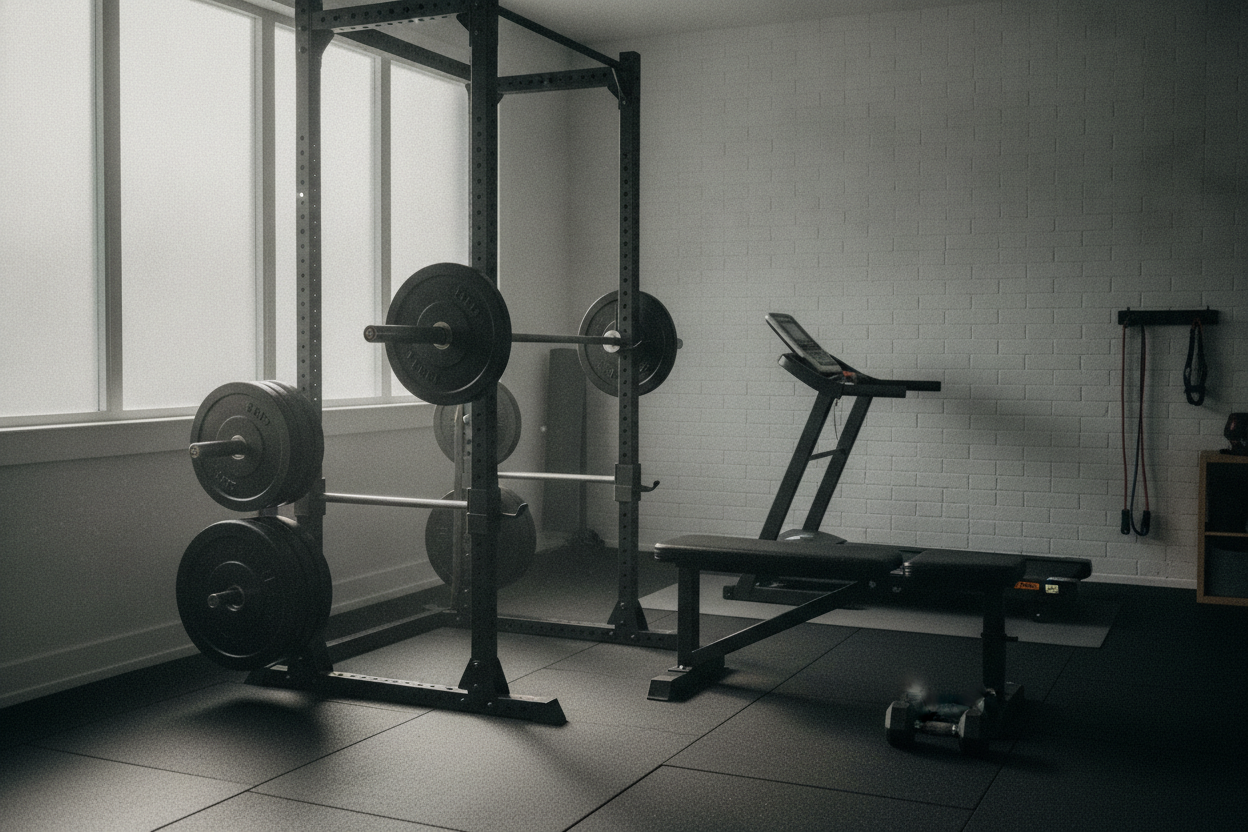
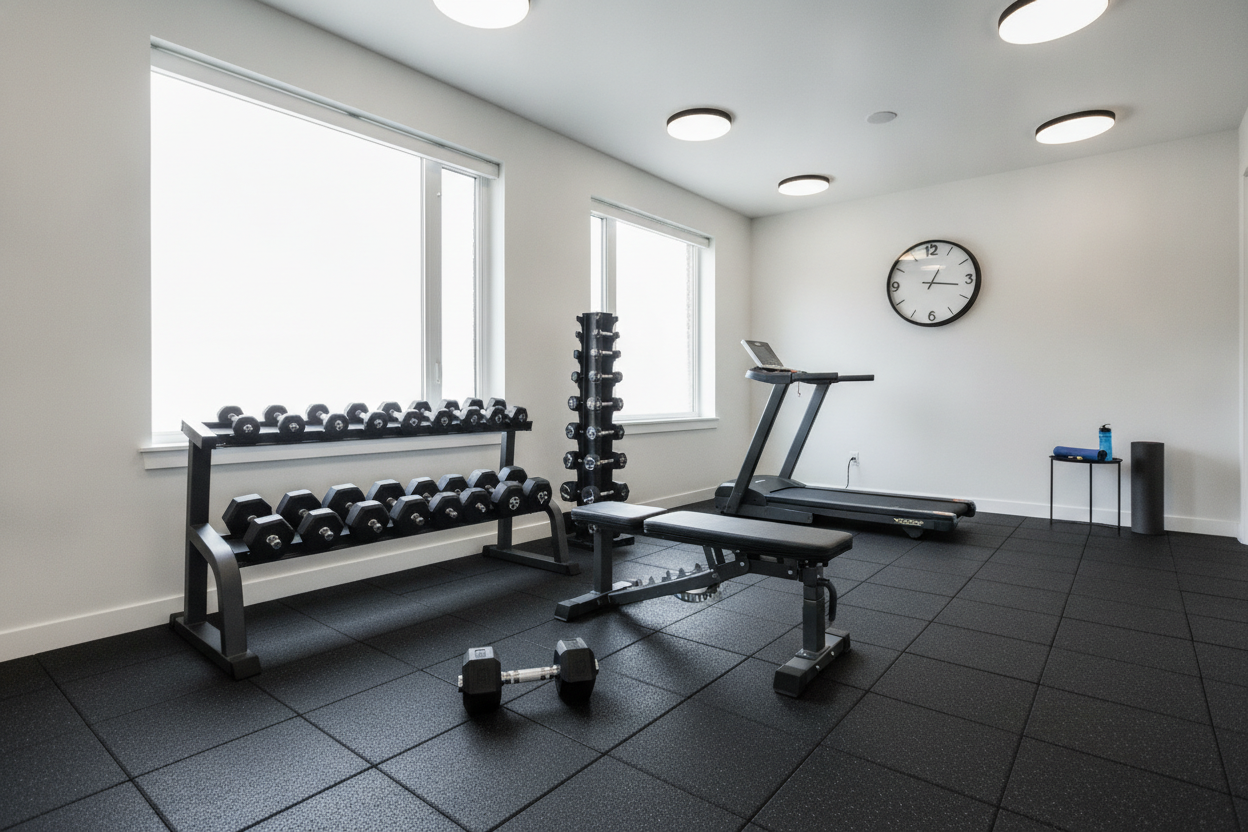
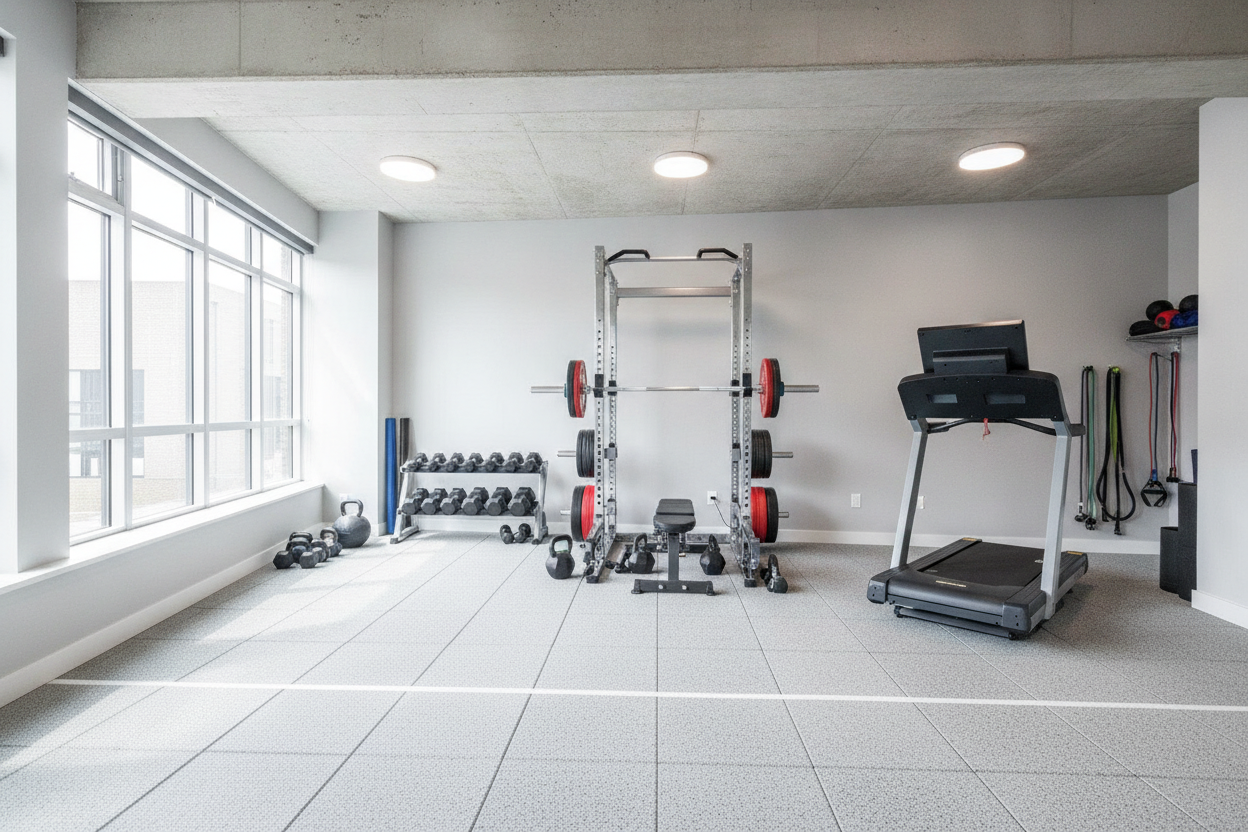
If you want to get big in a garage, you need the 'Big Three' of home hypertrophy: a rock-solid power rack, heavy adjustable dumbbells, and a functional trainer. I personally use a set of Ironmasters because they feel like real commercial dumbbells, even when you’re hucking the 75s around for rows. They don't have that plastic, rattly feel that cheaper brands do.
A functional trainer is the true bodybuilders gym equipment MVP. It replaces a dozen machines. With two 200-pound weight stacks and adjustable pulleys, you can hit chest flies, cable crossovers, face pulls, and even belt squats. It’s the only way to get that constant tension that free weights sometimes lack at the top of a movement. Look for one with a 2:1 ratio if you want more travel for explosive movements, or 1:1 if you want the full weight for heavy rows.
How to Train Hypertrophy With a Partner (Without 50 Machines)
Training with my wife changed how I looked at my gear. When you’re sharing limited equipment with a partner, you quickly realize that having five different machines for chest is a nightmare. You end up spending more time changing plates and adjusting seats than actually lifting.
We pivoted to a 'work-in' style using a single versatile station. While I'm doing heavy RDLs in the rack, she’s using the cable stack for glute medius kicks. By focusing on a few high-quality pieces, we kept the floor clear and the heart rate up. You don't need a massive circuit; you need a strategy that uses your most versatile tools in tandem.
Squeezing Maximum Muscle Out of a Multi-Gym
If you're tight on space but have the budget, a high-end multi-gym or a leverage system can be a bodybuilding machine powerhouse. I’m talking about the units that combine a press arm, a lat pulldown, and a low row into one footprint. The key here is mastering a multi-station system so you aren't constantly fiddling with pins and cables.
The secret to hypertrophy on these machines is 'mechanical dropsets.' Since you can change the weight in two seconds with a pin, you can go from a heavy set of chest presses immediately into a lighter, high-rep set to failure. You can’t do that as easily with a barbell without a dedicated pit crew. These machines are built to keep the muscle under tension for longer durations, which is the literal recipe for growth.
Personal Experience: The Calf Raise Regret
I once spent $400 on a plate-loaded seated calf raise because I was convinced my calves were small due to a 'lack of specialized equipment.' It turned out my calves were small because I wasn't training them hard enough. The machine was a pain to load, took up a massive corner of my gym, and the pivot point squeaked like a dying bird. I eventually sold it on Marketplace for $150 and started doing standing raises on a wooden block with a dumbbell. My calves grew more in three months of 'simple' training than they ever did on that specialized machine. Don't buy the hype; buy the basics and use them until they're smooth.
FAQ
Do I need a leg press to get big legs at home?
No. High-rep squats, Bulgarian split squats, and heavy lunges will build world-class legs. A leg press is a luxury, not a necessity. If you have the space, great, but don't feel like you're missing out on gains without one.
Are cable machines better than dumbbells for bodybuilding?
They aren't better; they're different. Cables provide constant tension throughout the entire range of motion, whereas dumbbells have 'dead spots' (like the top of a chest fly). A mix of both is the gold standard for hypertrophy.
How much weight capacity do I actually need?
For a home rack, look for at least a 700-lb capacity. Even if you aren't squatting 700 lbs, that rating usually indicates the gauge of steel and the overall stability of the unit when you're racking heavy weight aggressively.