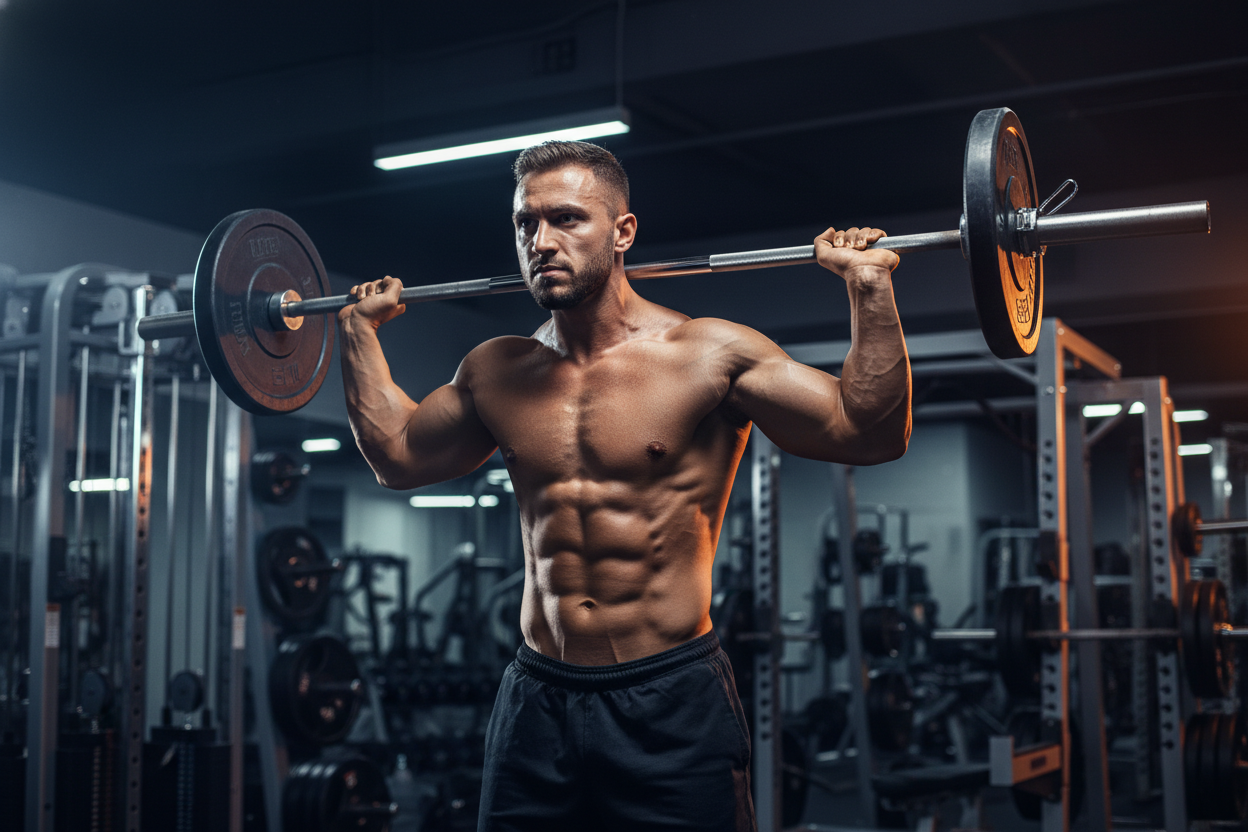
The Truth About Rehabbing Torn Rotator Cuff Without Surgery
Shoulder pain changes everything. One day you are pressing heavy overhead, and the next, you can barely reach for a seatbelt without a sharp wince. If you are reading this, you are likely dealing with that deep, nagging ache and wondering if going under the knife is your only option. Here is the good news: conservative management is often just as effective as surgery for many tears.
Successful rehabbing torn rotator cuff injuries requires more than just a few band pull-aparts; it demands a strategic approach to restoring mechanics and patience. Let’s look at how to rebuild your shoulder the right way.
Key Takeaways for Recovery
- Conservative Care Wins: Studies show physical therapy is effective for up to 75% of atraumatic cuff tears.
- Scapular Stability First: You cannot fix the arm bone if the shoulder blade (the foundation) is unstable.
- Respect the Pain: Discomfort is okay; sharp, stabbing pain is a red light.
- Timeline Reality: True tissue remodeling takes 12-16 weeks, not a few days.
Understanding the Mechanism: Why It Won't Just "Heal" Overnight
The rotator cuff is a group of four small muscles that suck the arm bone into the socket. When you tear one, usually the supraspinatus, you lose that suction cup effect. The head of the humerus starts sliding around, pinching tissues against the bone.
Effective rehab for torn rotator cuff issues isn't just about "healing the tear" like a cut on your skin. It is about training the remaining intact fibers to work double-time and correct the movement pattern so the impingement stops. You are essentially re-teaching your shoulder how to move without grinding.
Phase 1: The "Calm Down" Phase
Before you strengthen, you must desensitize. If your shoulder is throbbing at night, loading it is a mistake. This phase focuses on reducing inflammation and restoring passive range of motion.
Pendulums and Pulleys
We start with movement that requires zero muscle activation from the cuff. Lean forward and let your arm hang, swinging it gently with gravity. This pumps synovial fluid into the joint, which is crucial because rotator cuff tendons have poor blood supply. That fluid is their main source of nutrition.
Phase 2: Activation and Stability
Once the resting pain subsides, we move to how to rehab torn rotator cuff mechanics. This is where we target the scapula (shoulder blade).
Scapular Retraction and Depression
Most people with cuff tears have shoulders that roll forward. You need to train the lower trapezius and serratus anterior. Think about putting your shoulder blade in your back pocket. If the scapula doesn't move right, the rotator cuff has no stable base to pull from.
Isometrics
We introduce load without movement. Pressing your hand into a wall (external rotation) without letting the arm move wakes up the muscle fibers without shearing the torn tissue. This builds the neurological connection required for torn rotator cuff rehab.
Phase 3: Progressive Loading
This is where the real work happens. We transition from static holds to dynamic movement.
The "Full Can" Raise
Forget the "Empty Can" exercise (thumbs down); it places too much stress on the tear. Instead, perform lateral raises with your thumbs pointing up (like holding a full can). This creates space in the shoulder joint, allowing the supraspinatus to work without getting pinched.
External Rotation with a Towel
When using resistance bands for external rotation, place a small rolled-up towel between your elbow and your ribs. Why? Without the towel, you might subconsciously use your deltoid instead of your rotator cuff. The towel forces the correct mechanics and isolates the cuff.
My Personal Experience with Rehabbing Torn Rotator Cuff
I want to be transparent here because I have been in the trenches with this injury. A few years ago, I suffered a partial tear on my supraspinatus. The clinical advice is neat and tidy, but the reality is messy.
The hardest part wasn't the gym rehab; it was sleeping. I remember specifically the "toothache" feeling in my shoulder at 2:00 AM that no amount of pillow adjusting could fix. It’s a deep, dull throb that just wears you down mentally.
When I started the rehab exercises, the most humbling moment was using the yellow Theraband—the lightest one. I used to bench press over 300 pounds, yet there I was, shaking uncontrollably while trying to externally rotate my arm against a paper-thin piece of rubber. I could feel a very specific "click" or "catch" halfway through the range of motion. It wasn't painful, but it felt like a guitar string snapping over a fret. It took me four months to get rid of that click. If you feel that wobble or weakness, don't force past it. That wobble is your brain trying to figure out a new movement path.
Conclusion
Rehabbing torn rotator cuff injuries is a marathon, not a sprint. It requires leaving your ego at the door and accepting that a five-pound dumbbell is your new heavy lift for a while. Trust the physiology, respect the biological timelines, and prioritize mechanics over weight. You can get back to full function, but you have to earn it one rep at a time.
Frequently Asked Questions
How long does torn rotator cuff rehab take?
Generally, conservative rehab takes between 3 to 6 months. Soft tissue healing typically occurs within the first 12 weeks, but regaining full strength and correcting the biomechanics that caused the injury takes longer.
Can a torn rotator cuff heal without surgery?
Full-thickness tears generally do not "grow back" together, but many people achieve 100% function and become pain-free through physical therapy. The surrounding muscles compensate for the tear, effectively restoring function without surgical intervention.
What exercises should I avoid with a torn rotator cuff?
Avoid overhead pressing, upright rows, and behind-the-neck movements during the early stages. Also, avoid the "empty can" exercise, as it increases the risk of shoulder impingement.