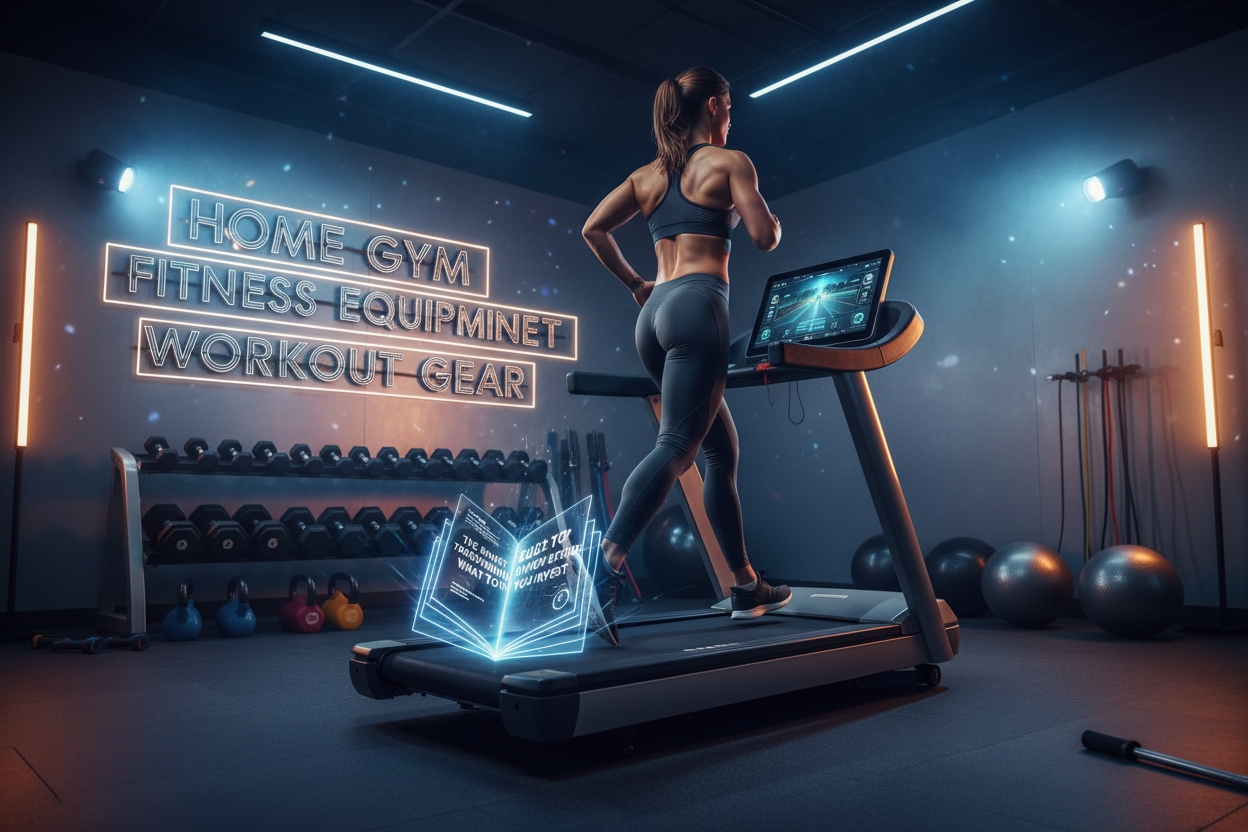
The Smart Treadmill Buyer: What to Know Before You Invest
Building a home gym is an exciting journey, but nothing causes analysis paralysis quite like trying to decipher cardio equipment specs. Whether you are aiming to escape harsh winter weather, train for a marathon, or simply get more steps in during the workday, being an informed treadmill buyer is the only way to ensure you don't end up with a highly expensive coat rack.
With countless brands throwing jargon like 'continuous horsepower' and 'reflex cushioning' at you, figuring out exactly what you need can feel overwhelming. This comprehensive guide will cut through the marketing noise, helping you understand exactly what matters for your specific fitness goals and living space.
Key Takeaways
- Motor matters most: Look for at least a 2.5 CHP (Continuous Horsepower) motor for walking, and 3.0+ CHP for serious running.
- Size your belt correctly: Runners over 6 feet tall need a minimum belt length of 60 inches to accommodate their stride.
- Timing is everything: The best month to buy a treadmill is usually January (resolutions) or November (Black Friday).
- Measure twice: Always account for ceiling height clearance—add your height, the deck height, and 15 inches of buffer space.
How to Choose a Good Treadmill
If you are looking for a reliable guide to buying a treadmill, the first step is ignoring the flashy touchscreens and focusing on the foundation. What makes a good treadmill isn't the built-in speakers; it's the motor, the frame, and the running deck.
Understanding Motor Specs and Belt Size
When figuring out how to choose treadmill for home use, start with the motor. You want to look specifically at the CHP (Continuous Horsepower) rating, not just 'peak' horsepower. A 3.0 CHP motor will easily handle daily jogging and running without overheating. Next, ask yourself: what size treadmill do i need? If you are walking, a 50-inch to 55-inch belt is fine. However, if you are sprinting or taller than average, a 60-inch by 22-inch belt is non-negotiable for a safe, comfortable stride.
Fitting It Into Your Home & Budget
One of the top treadmill buying tips we give clients is to map out their floor plan before ever looking at prices. Buying a treadmill for home use means you have to live with its footprint. Folding treadmills are fantastic for spare bedrooms, but keep in mind that heavier, non-folding commercial units offer more stability for heavy runners.
When to Buy Treadmill Equipment
Budgeting isn't just about how much you spend, but when you spend it. If you're wondering about the best month to buy a treadmill, January is historically the strongest month for fitness sales due to New Year's resolutions. However, Black Friday in November and Prime Day in July also offer steep discounts. Patience can easily save you $300 to $500 on premium models.
Where Should I Buy a Treadmill?
This is a common question in any treadmill buyers guide. Buying directly from the manufacturer's website often yields the best warranty support and easiest return process. However, purchasing from a specialized local fitness retailer allows you to test the deck cushioning and interface in person. If you are looking for tips to buy treadmill equipment online, always check the delivery terms—'curbside delivery' means you will be wrestling a 300-pound box into your house by yourself.
From Our Gym: Honest Take
Over the last few years, I've tested over a dozen machines in my own two-car garage gym. One piece of crucial treadmill information that product pages rarely highlight is the step-up height. I recently invested in a heavy-duty commercial model with a massive 3.5 CHP motor. While the knurled incline grips and shock absorption are incredible—my knees have never felt better during 10K training—the deck sits a full 11 inches off the ground.
At 6'2', I suddenly found my head uncomfortably close to the garage door tracks when running on a 10% incline. It's a fantastic machine, but it taught me a hard lesson about vertical clearance. Always measure your ceiling height, subtract your own height, and subtract the max incline deck height before pulling the trigger.
Frequently Asked Questions
How do I know if a treadmill is good quality?
If you want to know how to choose a good treadmill, look at the weight capacity and warranty. A high-quality treadmill will have a weight capacity of at least 300 lbs, a warranty that covers the frame and motor for life (or at least 10 years), and a motor rating of 2.5 CHP or higher. If a brand only lists 'peak' horsepower, that's a red flag.
What are the best tips for apartments?
If you live in an apartment, prioritize a folding frame with soft-drop technology and a DC (direct current) motor, which runs significantly quieter than AC motors. You should also invest in a thick, high-density rubber equipment mat to dampen vibrations and avoid noise complaints from downstairs neighbors.
Is a home treadmill buying guide different from a commercial one?
Yes. A home treadmill buying guide focuses on footprint, foldability, and standard 110V electrical requirements. Commercial guides focus on AC motors designed to run 10+ hours a day and often require dedicated 20-amp electrical outlets, which most standard home rooms do not possess.