The Real Cost of Building a Home Gym That Actually Gets Used
Building a home gym doesn't require a second mortgage or turning your entire house into a commercial fitness center. After spending years watching friends waste thousands on equipment that became expensive coat racks, I've learned that the sweet spot for most people falls between $500 and $3,000, depending on your fitness goals and available space. The key isn't buying everything at once—it's choosing the right foundation pieces that match how you actually exercise, not how you imagine you might exercise someday.
The biggest mistake people make when selecting equipment for home gyms is copying what they see at commercial facilities. Those rows of identical treadmills and cable machines exist because gyms serve hundreds of members with different goals. Your home setup should be far more personal and efficient.
What Actually Belongs in Your Space
Start with adjustable dumbbells. A quality set that ranges from 5 to 50 pounds will handle about 80% of strength training exercises. They take up minimal floor space and work for everything from shoulder presses to goblet squats. I kept a pair in my bedroom for two years before expanding to other gym home gym equipment, and honestly, they're still what I reach for most often.
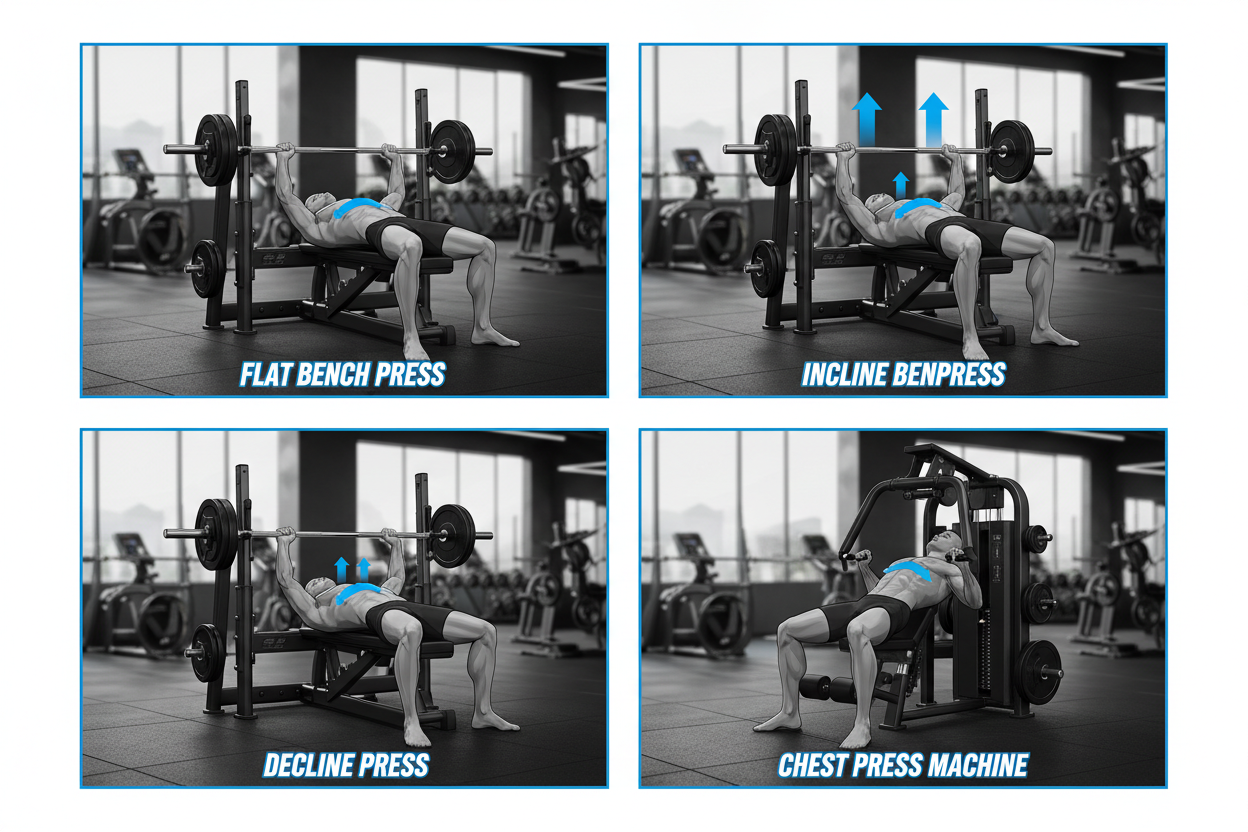
A power rack or squat stand comes next if you're serious about building strength. This is where weight equipment for home really proves its value—the ability to safely perform heavy squats, bench presses, and pull-ups without a spotter. Look for models with safety bars and multiple height adjustments. The difference between a $300 rack and an $800 one usually comes down to stability and weight capacity, not fancy features you'll never use.
Barbells and weight plates deserve careful consideration. An Olympic barbell (45 pounds, 7 feet long) is the standard, but if you're working in a tight space or have a lower ceiling, a 6-foot bar might make more sense. For plates, iron is cheapest, bumper plates protect your floors and allow you to drop weights safely, and urethane-coated plates are the quietest option. Calculate how much total weight you'll need based on your current lifting capacity plus room to grow.
Making Basement and Garage Spaces Work
Basement gym equipment faces unique challenges. Humidity can rust plates and bars quickly, so invest in a dehumidifier if your basement tends to be damp. Ceiling height matters more than you think—you need at least 8 feet for most exercises, and 9-10 feet if you're doing overhead movements or using a pull-up bar comfortably.
Flooring is non-negotiable. Those rubber stall mats from farm supply stores remain the best value at roughly $50 per 4x6 foot mat. They're 3/4 inch thick, nearly indestructible, and protect both your floor and your equipment. Yes, they smell like tire factory for a few weeks. Air them out in the garage or outside before installation.
Temperature control affects your motivation more than you'd expect. A space heater for winter and a fan for summer cost less than $100 combined but make the difference between consistent workouts and excuses. I've trained in an unheated garage at 40 degrees and a stuffy basement in August—neither is sustainable without addressing the environment.
The Cardio Equipment Question
Treadmills, rowing machines, and stationary bikes dominate the gym equipment for homes market, but they're also the most likely to become unused. Before buying any cardio machine, ask yourself honestly: do you actually enjoy this activity, or do you just think you should?
Rowers provide the best full-body workout and take up less space than treadmills. The Concept2 Model D is the industry standard because it's built like a tank and holds resale value. Treadmills need to be good quality or they're worthless—cheap ones feel unstable and break quickly. Budget at least $1,000 for a decent motorized treadmill, or consider a curved manual treadmill if you're willing to adapt to a different running style.
Stationary bikes come in three types: upright, recumbent, and spin bikes. Spin bikes most closely mimic outdoor cycling and take the least space. If you have knee issues or want to read while exercising, recumbent bikes offer better back support.
Smart Alternatives to Big Machines
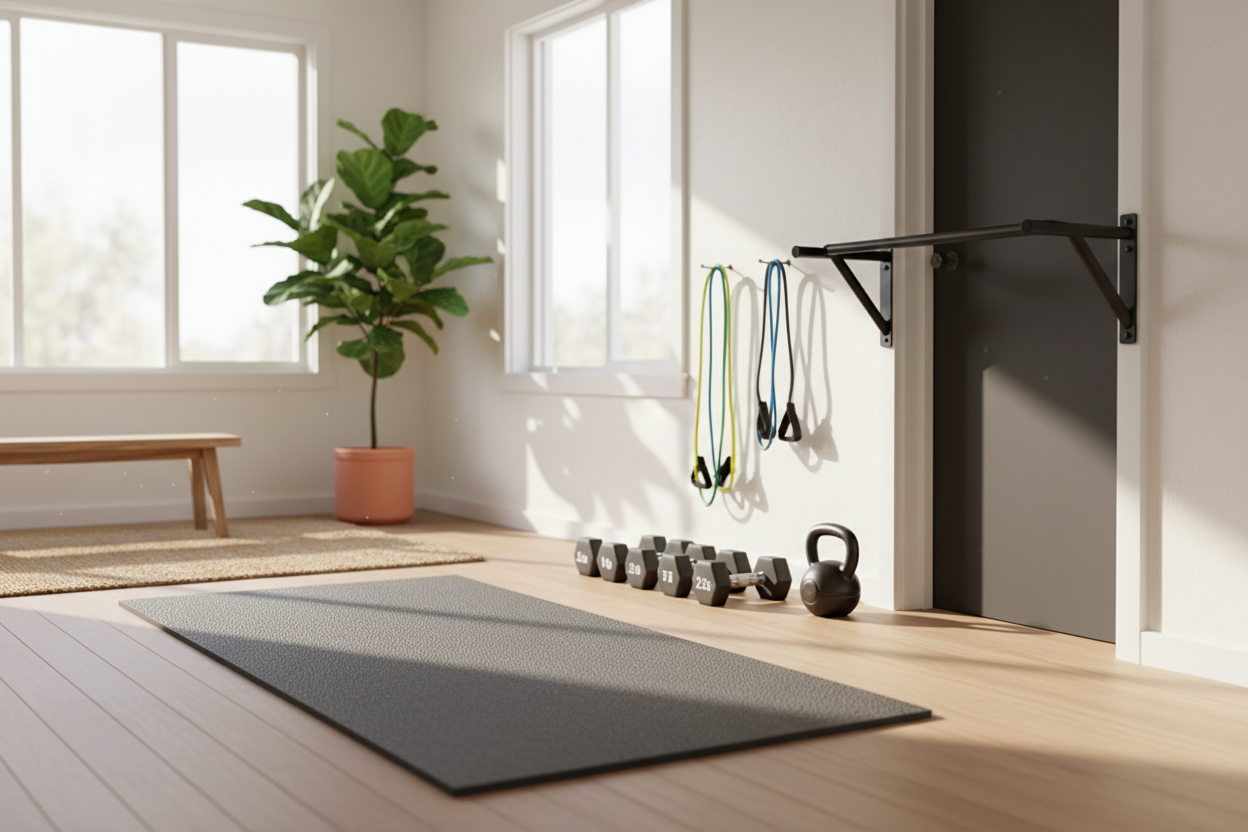
Jump ropes cost $15 and deliver intense cardio in any 6x6 foot space. Kettlebells bridge the gap between strength and cardio work. A good set of resistance bands ($30-50) travels easily and provides surprising versatility for both strength training and mobility work.
Suspension trainers like TRX systems mount to any door or ceiling beam and enable hundreds of bodyweight exercises. They're particularly valuable when gym equipment for the home needs to be portable or space-efficient.
Personal Gym Equipment That Matches Your Training Style
Powerlifters need different personal gym equipment than CrossFit enthusiasts or bodybuilders. Someone focused on the big three lifts (squat, bench, deadlift) can build an excellent setup with just a power rack, barbell, plates, and bench. That's $1,500-2,000 for quality gear that will last decades.
If you prefer circuit training or metabolic conditioning, you'll want more variety: medicine balls, plyo boxes, battle ropes, and slam balls. These items are relatively inexpensive but require more storage space.
Bodybuilders benefit from adding cable attachments, an adjustable bench with multiple angles, and perhaps a preacher curl station. The goal is muscle isolation, which requires more specialized equipment than compound strength training.
Where to Actually Buy This Stuff
The used market saves you 40-60% on gym equipment for homes, especially for items like plates, benches, and racks that don't wear out. Check Facebook Marketplace, Craigslist, and local gym equipment resellers. January and February see the most listings as New Year's resolutions fade.
Inspect used equipment carefully. Rust on plates is cosmetic; rust on barbell sleeves affects spin and can damage your hands. Wobbly racks are dangerous—walk away. Benches should have no tears in padding and solid welds throughout.
For new purchases, Rogue Fitness, Rep Fitness, and Titan Fitness offer the best combination of quality and value for serious equipment. Amazon works fine for smaller accessories but read reviews carefully—fake reviews plague the fitness category.
Wait for holiday sales (Memorial Day, July 4th, Black Friday) to save 15-30% on new equipment. Many companies offer free shipping above certain thresholds, which matters when you're ordering 300 pounds of weight plates.
Making It Last and Actually Using It
Equipment maintenance is simple: wipe down benches after use, keep bars clean and occasionally oiled, and store everything away from direct moisture. A wire brush removes rust from plates, and 3-in-1 oil keeps moving parts functional.
The psychology of home training differs from gym training. You need to create boundaries—a dedicated space signals to your brain that it's workout time. Even if your gym is just a corner of the basement, mark it clearly. Put up a mirror, hang a speaker for music, and keep the area clean. Chaos kills motivation.
Start with less than you think you need. You can always add equipment later, but a cluttered space filled with unused gear creates guilt instead of inspiration. I've seen too many people build elaborate home gyms before establishing a consistent routine, then wonder why they don't use any of it.
FAQ
How much space do I really need for a functional home gym?
A 10x10 foot area (100 square feet) is enough for a complete strength training setup with a power rack, bench, and barbell. If you want cardio equipment too, plan for 150-200 square feet. Ceiling height should be at least 8 feet, though 9-10 feet is better for overhead movements.
Should I buy cheap equipment to start and upgrade later?
Buy quality for items you'll use heavily (barbell, rack, bench) and save money on accessories. A cheap barbell will bend and develop uneven spin, making exercises frustrating and potentially dangerous. Budget accessories like resistance bands and jump ropes work fine at lower price points.
What's the minimum budget for a home gym that actually works?
You can build a functional strength training setup for $500-800 using adjustable dumbbells, a basic bench, resistance bands, and a pull-up bar. For a complete gym with barbell work and cardio options, budget $1,500-2,500. Going used can cut these numbers by 30-50%.