The Real Blueprint for Building Stronger Glutes and Hips (That Actually Works)
Most people approach lower body training with a singular focus on the squat rack. While heavy compound lifts are undeniably effective, they often fail to address the complex architecture of the pelvic region. If your goal is aesthetic balance, athletic power, or simply getting rid of nagging lower back pain, you need a strategy that targets the muscles from multiple angles. The hips are designed to rotate, extend, and stabilize, meaning a one-dimensional approach will always yield one-dimensional results.
Building a posterior chain that looks good and performs well requires understanding the distinct roles of the gluteus maximus, medius, and minimus. Many gym-goers spin their wheels because they rely on momentum rather than muscle activation. Finding the best exercises for glutes and hips involves selecting movements that challenge these muscles in both their lengthened and shortened positions while ensuring your hip flexors don't take over the work.
Why Your Current Routine Might Be Failing
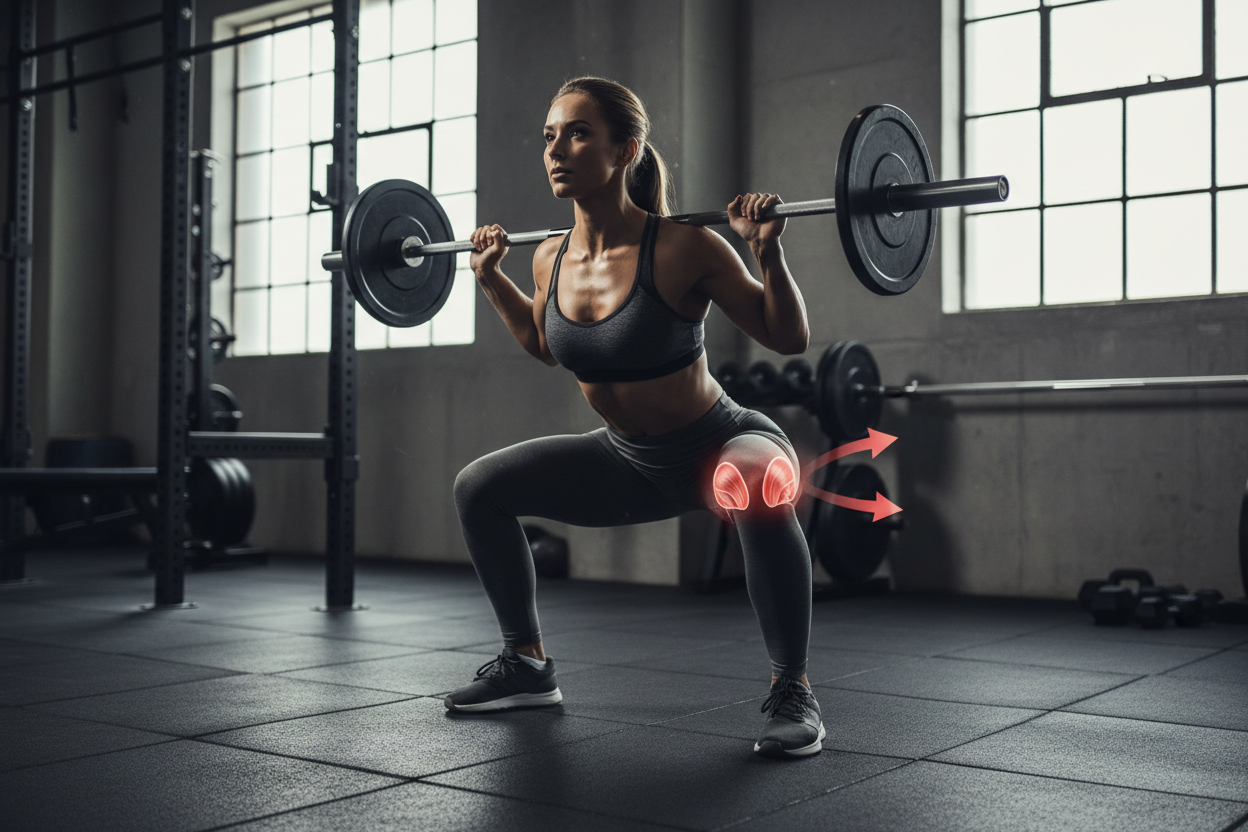
I learned the hard way that heavy lifting doesn't automatically equate to strong hips. Years ago, despite squatting impressive numbers, I developed a nagging pain in my right knee and constant tightness in my lower back. I assumed I needed to stretch more. I was wrong. A physical therapist pointed out that my glute medius—the muscle responsible for hip stability—was practically asleep. My knees were caving in (valgus collapse) because my hips were too weak to keep them aligned. Once I shifted my focus to dedicated workouts for hips and glutes that prioritized stability and lateral movement, the pain vanished, and my main lifts actually went up. Strength without stability is just an injury waiting to happen.
The Mechanics of Hip Development
To stimulate growth, you must apply tension through three main movement patterns: the hip hinge, the bridge, and abduction. The hinge loads the glutes when they are stretched, the bridge loads them when they are contracted, and abduction targets the upper glutes and hips. Neglecting any one of these pillars leaves gains on the table.
Progressive overload remains the primary driver of hypertrophy. You cannot expect your body to change if you use the same resistance band or dumbbell for six months. You must demand more from the muscle over time, whether that means adding weight, increasing reps, or slowing down the tempo to increase time under tension.
Top Tier Movements for Posterior Power
The Barbell Hip Thrust
This is arguably the king of glute isolation. Unlike a squat, where the quads and back take a significant portion of the load, the hip thrust places the gluteus maximus in a position of maximum mechanical tension. The setup is crucial. Your upper back should rest against a bench, with the bar placed directly over the hips. As you drive upward, focus on tucking the chin and keeping the ribs down. This prevents the lower back from arching and ensures the glutes do the heavy lifting.
Romanian Deadlift (RDL)
While the thrust hits the shortened position, the RDL attacks the lengthened position. This exercise creates significant muscle damage (the good kind) which is essential for growth. Keep a slight bend in the knees and push your hips backward as if you are trying to close a car door with your glutes. The barbell should shave your legs as it descends. Stop once your hips can no longer travel back; going lower usually just rounds the lumbar spine.
Bulgarian Split Squat
Few exercises are as humbled or effective as this unilateral movement. By taking one leg out of the equation, you force the working hip to stabilize the entire body. To bias the glutes rather than the quads, take a slightly longer stance and lean your torso forward at a 45-degree angle. This deep stretch at the bottom of the movement is one of the best exercises for glutes and hips regarding mobility and strength balance.
Seated Hip Abduction
Often dismissed as a "lazy" machine exercise, high-rep abduction is fantastic for metabolic stress. Lean forward in the seat to better target the glute medius. This is an excellent finisher to pump blood into the area after your heavy compound lifts are done.
Structuring Your Training Week
Designing effective workouts for hips and glutes doesn't mean training them every single day. The muscles need roughly 48 hours to recover and grow. A frequency of two to three times per week is the sweet spot for most natural lifters. You might have a heavy day focused on lower rep ranges (5-8) with hip thrusts and RDLs, and a lighter day focused on higher reps (12-20) with lunges, kickbacks, and abduction work.
Connection is everything. If you are moving the weight but don't feel a burning sensation in the target muscle, you are likely compensating with your lower back or hamstrings. Slow down. Use a tempo where you take three seconds to lower the weight. This eccentric control forces the muscle fibers to engage and prevents momentum from cheating the rep.
Common Pitfalls to Avoid
Ego lifting is the quickest way to kill your progress. Loading up a barbell for hip thrusts only to move it two inches with terrible form does nothing for your physique. Full range of motion is non-negotiable. Additionally, ignoring the hip flexors can cause issues. If the front of your hips is tight, your glutes cannot fully contract. Incorporating mobility drills before you lift can unlock a greater range of motion and better muscle activation.
Consistency beats intensity in the long run. You don't need to destroy yourself in every session, but you do need to show up and execute the movement patterns with precision. Over time, this disciplined approach builds the density and shape that crash dieting or erratic training never will.
Frequently Asked Questions
How long does it take to see results in glute growth?
Visible muscle growth typically takes 8 to 12 weeks of consistent training and proper nutrition. Neurological adaptations (getting stronger) happen sooner, but actual hypertrophy requires patience and a caloric surplus or maintenance level intake.
Can I build glutes without heavy weights?
Yes, but it is more challenging. If you are limited to bodyweight or light bands, you must use very high repetitions, short rest periods, and unilateral (single-leg) variations to create enough fatigue to stimulate growth.
Is it better to train glutes with hamstrings or quads?
It depends on your schedule, but many find success pairing glutes with hamstrings because they function together in hip extension movements like deadlifts. However, a dedicated "glute day" is also a valid strategy if that is your priority body part.