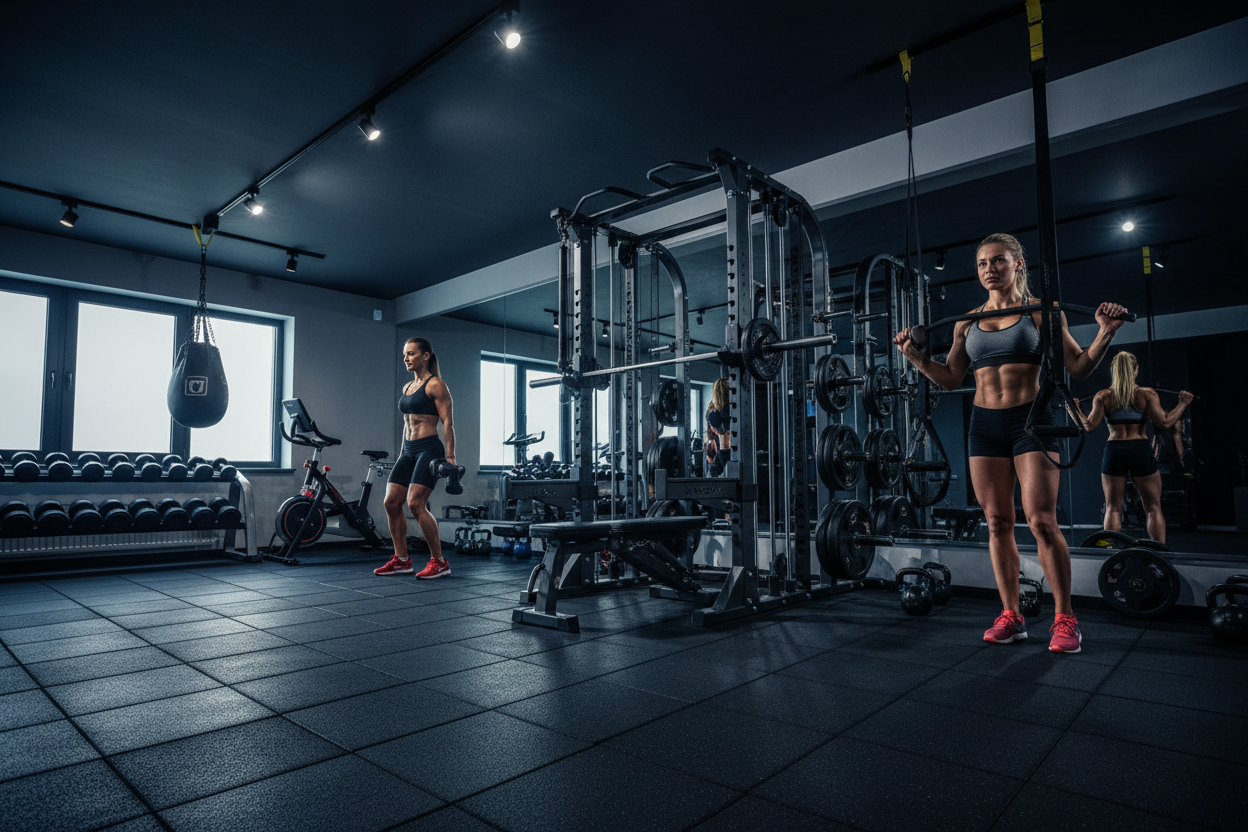
The Perfect Gym for Home: A Complete Planning & Buying Guide
We have all been there: rushing out the door after work, fighting traffic, only to arrive at a crowded commercial fitness center where every squat rack is taken. The appeal of building a gym for home isn't just about saving membership fees; it is about reclaiming your time and taking absolute control over your training environment. Whether you want to convert a dusty garage or a spare bedroom, creating a personal training sanctuary is one of the best investments you can make in your physical and mental health.
However, piecing together a functional workout space requires more than just browsing at home gyms for sale and clicking 'add to cart'. Without a solid plan, you risk buying redundant equipment, underestimating space requirements, or ending up with a glorified clothes hanger. In this guide, we will walk you through exactly how to design, equip, and maintain your ultimate training space.
Key Takeaways
- Assess Your Space First: Measure floor space and ceiling height before buying any equipment; a standard power rack requires at least an 84-inch clearance.
- Prioritize Versatility: Invest in multi-use gear like adjustable dumbbells and a quality bench before committing to single-station machines.
- Choose the Right Resistance: Decide between home gyms with weights (best for absolute strength) and resistance home gyms (ideal for compact spaces and joint-friendly training).
- Protect Your Floors: High-density rubber flooring (at least 3/4-inch thick) is non-negotiable if you plan on dropping weights.
Mapping Out Your Home Gymnasium
Before looking at gear, you need to define your footprint. The physical constraints of your house will dictate what kind of exercise gym for home is actually feasible.
Garage vs. Spare Room Setups
Garage setups are the gold standard for North American lifters. They offer concrete subfloors that can handle heavy deadlifts and usually provide enough height for overhead pressing. If you are building an in house gym in a spare bedroom or basement, you need to factor in floor load capacity and ceiling height. A standard basement often sits around 80 to 82 inches high, which means you will need a specialized short rack for your workout home gym.
Core Equipment for At Home Fitness Gyms
The fitness industry is flooded with gimmicks. To build an effective gym system for home, focus on foundational pieces that allow for progressive overload.
Free Weights vs. All-in-One Systems
If your goal is powerlifting or heavy bodybuilding, a traditional home weight gym featuring a barbell, plates, and a power rack is unbeatable. However, if space is tight, a comprehensive home-gym system (like a functional trainer or a selectorized weight stack machine) might be the better choice. Resistance home gyms utilizing heavy-duty bands or bow-style resistance are also fantastic for apartment dwellers who need a silent exercise home gym setup.
Maximizing Value and Budget
Building personal gyms at home does not require taking out a second mortgage. The trick is knowing where to spend and where to save.
Where to Splurge
Never cheap out on things that separate you from the floor or hold heavy weight over your body. Your barbell, J-hooks, and adjustable bench should be commercial-grade or high-end residential. Conversely, you can easily save money by buying cast-iron plates instead of bumper plates (unless you do Olympic weightlifting) or sourcing a used workout gym at home setup for secondary accessories.
From Our Gym: Honest Take
When I first built my home workout gym in a two-car garage, I made a classic rookie mistake: I bought a generic, budget-friendly power rack without checking the steel gauge or hole spacing. At 6 foot 2 inches, I quickly realized the pull-up bar was too low, and the 3-inch hole spacing made it impossible to find a comfortable safety height for bench presses.
I eventually upgraded to a 3x3-inch, 11-gauge steel rack with Westside hole spacing, and the difference was night and day. The rack didn't sway during heavy racking, and my chalked grip felt perfectly secure on the aggressively knurled pull-up bar. The reality is that when your gym is home, you are the only one maintaining it. Buy gear that can withstand temperature swings and daily abuse. One minor con of a garage setup? Winter training in the Midwest. I highly recommend investing in a space heater and keeping your barbell indoors during January so the steel doesn't freeze your hands.
Frequently Asked Questions
How much space do I need for an exercise gym home setup?
For a basic barbell setup (rack, bench, and bar), you need a minimum footprint of 10x10 feet. This allows enough clearance for the 7-foot barbell and space to load plates on either side. If you are using compact at home workout gyms or adjustable dumbbells, you can get away with a 6x6 foot corner.
Are home gyms with weights better than resistance band systems?
It depends on your goals. A home exercise gym built around free weights is superior for maximal strength development and bone density. However, resistance systems are highly effective for hypertrophy, rehabilitation, and tight spaces where dropping cast iron isn't an option.
Is a gym for house use actually worth the upfront cost?
Absolutely. While the initial investment for a quality workout gym home setup can range from $1,000 to $3,000, it pays for itself within 2 to 3 years when you eliminate monthly membership fees, commuting costs, and the time saved traveling to a commercial facility.