The Only Work Out Plan for Beginners That Uses Just One Pair of Dumbbells
I remember staring at a commercial gym floor for twenty minutes, paralyzed by the sheer volume of chrome and cables. It is embarrassing, but we have all been there—paying for a membership just to walk on a treadmill because the weight room feels like a labyrinth. If you want a work out plan for beginners that actually sticks, you need to stop worrying about the equipment you do not have and master the gear you do.
Quick Takeaways
- One pair of dumbbells (15–25 lbs for most) is all you need to start.
- Focus on four foundational movements: squat, press, row, and carry.
- Consistency beats a complex gym starter program every time.
- Stop training to failure; focus on the 'reps in reserve' method to avoid burnout.
Why More Equipment Equals More Excuses
Decision fatigue is the silent killer of any starting workout routine. When you walk into a gym with 50 machines, your brain spends more energy wondering if you should use the leg press or the hack squat than it does actually moving weight. You end up wandering the floor aimlessly, doing a few random sets, and leaving without a pump or a plan.
Limiting your gear forces execution. By stripping away the noise and focusing on a simple workout routine for beginners, you remove the 'what if' from your training. There is no setup time, no waiting for a cable machine to open up, and no complex pin-settings to fiddle with. You just pick up the weights and go.
The 'One Pair' Philosophy for Novice Lifters
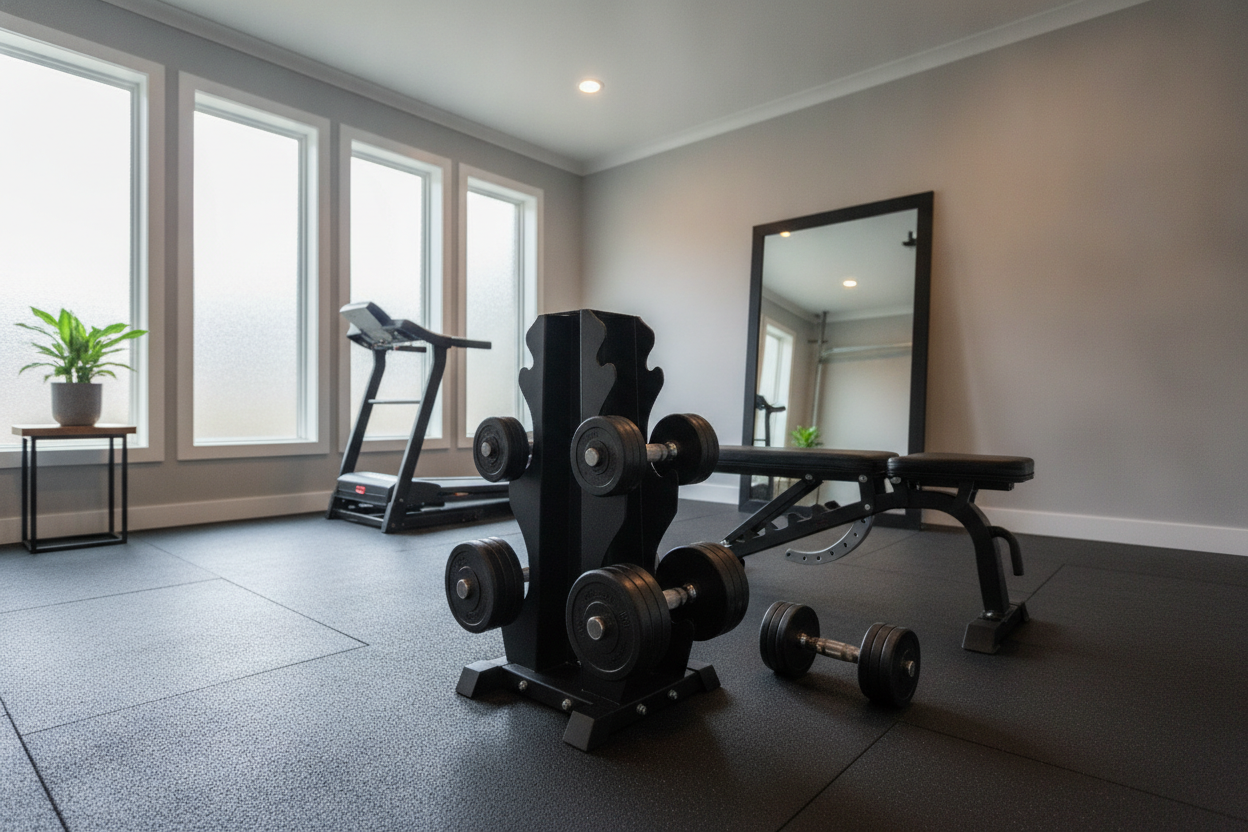
A single pair of moderate dumbbells is the ultimate training tool because it teaches you how your body moves in space. Unlike machines that lock you into a fixed path, dumbbells require you to stabilize the weight yourself. This builds the 'functional' strength people always talk about—the kind that helps you carry groceries or lift a kid without throwing your back out.
This minimalist approach makes a workout routine at home for beginners much more viable. You do not need a dedicated 500-square-foot garage gym. You just need enough floor space to take a few steps. It lowers the barrier to entry so much that 'not having time to go to the gym' is no longer a valid excuse.
The 4-Move Dumbbell Circuit (Your New Routine)
A good exercise routine for beginners does not need fifteen variations to be effective. We are going to focus on four moves that hit every major muscle group. Perform these as a circuit, resting 60 seconds between each move.
- Goblet Squats: Hold one dumbbell against your chest like a trophy. Sit your hips back and down. This teaches perfect squat form without the spinal loading of a barbell.
- Floor Press: Lay on your back and press the dumbbells toward the ceiling. Doing this on a 6x4ft yoga mat exercise mat protects your elbows and provides a stable base. It is safer for your shoulders than a standard bench press.
- Bent-Over Rows: Hinge at the hips and pull the weights toward your ribcage. This builds the back and improves posture.
- Farmer’s Carry: Hold the weights at your sides and walk for 30 seconds. It sounds easy until your forearms start screaming.
This beginner workout set covers your legs, chest, back, and grip. It is simple, brutal, and effective.
Dialing In Your Sets and Reps
I see too many people trying to follow training programs for beginners that look like NASA flight manuals. Keep it simple. For each move, aim for 3 exercise sets for beginners. Your goal is 8 to 12 reps per set. If you can easily do 15 reps, the weights are too light. If you cannot hit 8 with good form, they are too heavy.
A good exercise routine workout should leave you feeling energized, not wrecked. Leave two 'reps in the tank' on every set. This means if you feel like you could have done 12 reps, stop at 10. This prevents the excessive soreness that usually makes people quit after the first week.
When Are You Ready to Graduate?
You should stick with this a good beginner workout routine for at least 6 to 8 weeks. You are ready to move on when you can breeze through 3 sets of 15 reps on every movement with perfect control. Once you have mastered these basics, you will have the confidence to walk into any weight room and know exactly what you are doing.
When that day comes, you can explore our workout hub to find more advanced progressions. But for now? Just pick up the dumbbells. The best program is the one you actually finish.
My Personal Experience
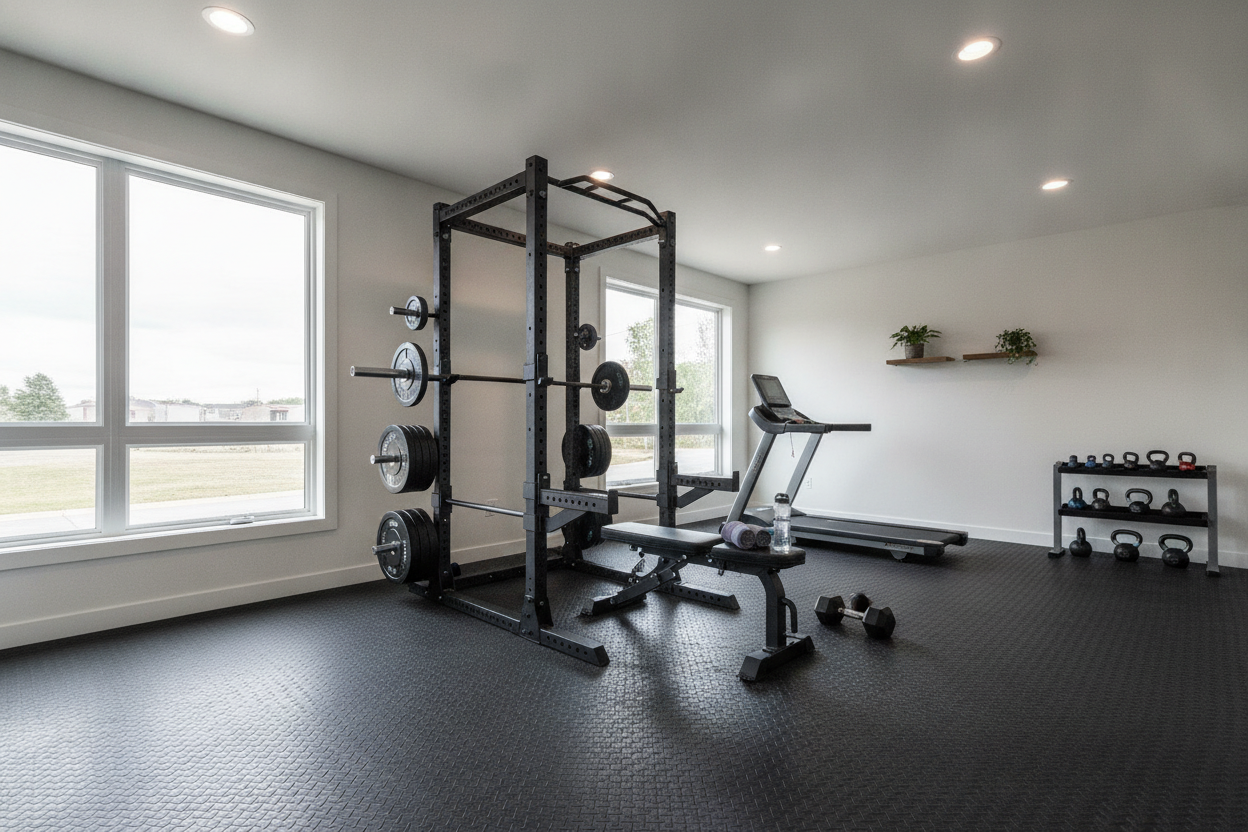
I once spent two grand on a massive power rack and a 300-lb barbell set before I could even do a proper bodyweight squat. It sat in my garage gathering dust for months because I felt like I was 'performing' rather than training. I finally saw real progress when I shoved the rack into a corner and committed to a beginner workout sets routine using just a pair of 25-pounders. It taught me that consistency is a skill you have to build, just like strength. My biggest mistake was thinking more gear would solve my lack of discipline.
FAQ
What weight dumbbells should I buy?
For most men, a pair of 20 or 25-lb dumbbells is a great starting point. For women, 10 or 15-lb weights usually work best. You want something that feels heavy by the 10th rep but does not ruin your form.
How many days a week should I do this?
Three days a week is the sweet spot. Give yourself a rest day between sessions—Monday, Wednesday, Friday is the classic schedule for a reason.
Can I do this if I have zero gym experience?
Absolutely. That is the whole point. These movements are the foundation of all strength training. Master these, and everything else gets easier.