The Only Lower Body Routine You Need to Sculpt Strong Thighs and Glutes
Building a powerful lower body goes beyond just looking good in jeans; it is about creating a stable foundation for everything else you do. Many people spin their wheels in the gym, hopping from machine to machine without a cohesive plan, wondering why they aren't seeing definition or strength gains. To truly transform your lower half, you need a structured approach that prioritizes compound movements and progressive overload. This guide cuts through the noise and delivers a direct strategy to build your legs and backside effectively.
I remember distinctly when my own training plateaued. For nearly a year, I hammered away at leg extensions and light kickbacks, convinced that the "burn" meant growth. It wasn't until I shifted my focus toward heavy, compound thigh and glutes workout sessions that my physique actually changed. I had to learn the hard way that feeling a muscle burn is not the same as stimulating muscle fibers for growth. Once I corrected my form on squats and started tracking my weights, the aesthetic changes followed naturally. That experience taught me that intensity and mechanical tension are the real drivers of progress.
Understanding the Anatomy of a Leg Day
To get the most out of your training, you have to understand what you are trying to target. The quadriceps (front of the thigh), hamstrings (back of the thigh), and the gluteal complex work in synergy. While isolation moves have their place, the most effective thigh and glute exercises recruit all these muscles simultaneously. This creates a higher metabolic demand and triggers a greater hormonal response, leading to better results in less time.
A balanced routine shouldn't neglect one area for the other. Many generic plans focus heavily on the quads (think endless squats) while neglecting the posterior chain. A comprehensive glute and thigh workout ensures that you are developing the hamstrings and glutes with just as much volume as the quads. This balance prevents knee injuries and creates that full, athletic look most lifters aspire to achieve.
The Compound Lifts: Your Foundation
If you have limited time, your focus should be on multi-joint movements. These give you the best return on investment. The barbell back squat and the Romanian deadlift are non-negotiable staples. Squats primarily target the quads and glutes in the lengthened position, while Romanian deadlifts destroy the hamstrings and glutes.
When executing a thighs and butt workout, depth and control matter more than the weight on the bar. For squats, ensure your hips break parallel to fully engage the glutes. If you stop short, you are mostly relying on your quads and missing out on the posterior development. For deadlifts, keep a neutral spine and hinge at the hips. The goal isn't to touch the floor with the bar, but to push your hips back until you feel a deep stretch in your hamstrings.
Unilateral Training for Symmetry
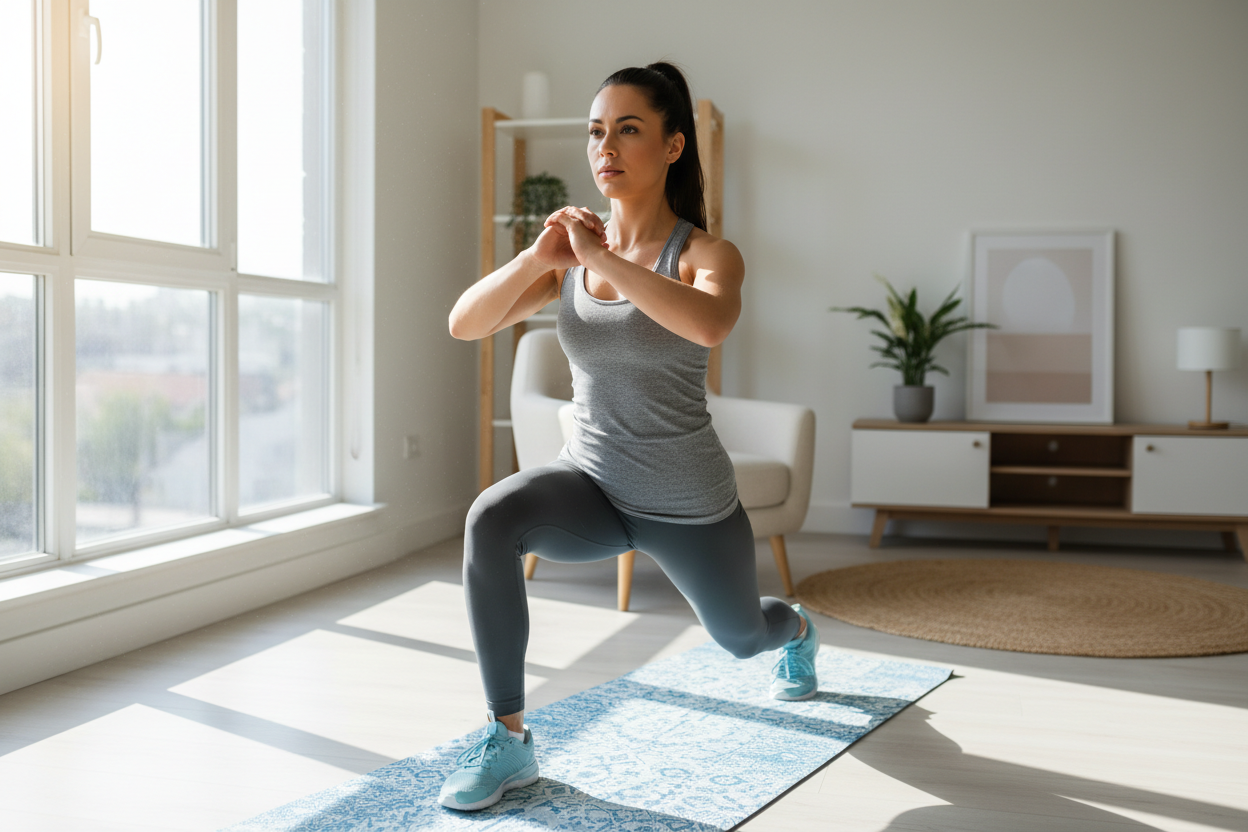
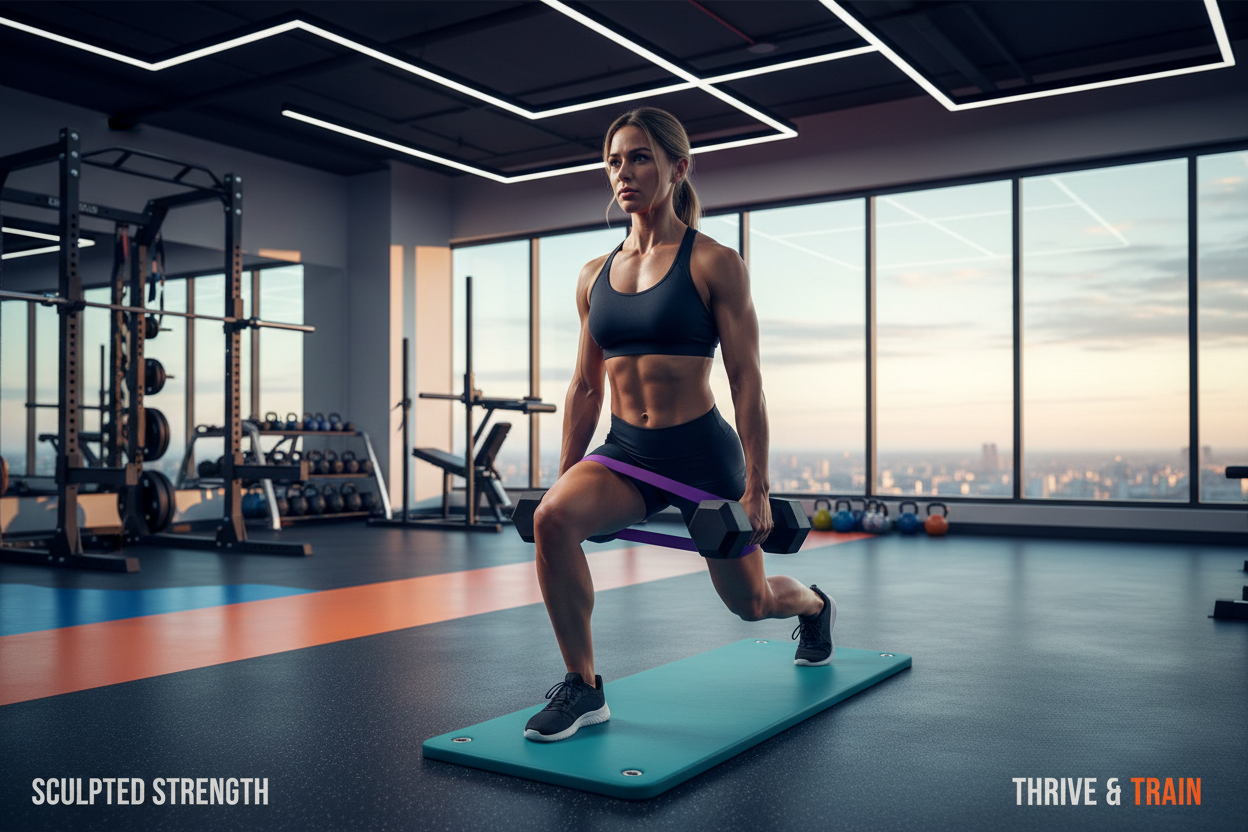
We all have a dominant side. Maybe your right leg takes over during heavy lifts, leaving your left leg lagging behind. This is where unilateral (single-leg) training becomes essential. Incorporating movements like Bulgarian split squats or walking lunges into your thighs and booty workout fixes these imbalances and increases core stability.
Walking lunges, specifically, are incredible for dynamic stability. They force the glute medius (the side of the hip) to work overtime to keep you upright. If you find your knees caving in during squats, adding single-leg work is often the cure. It forces the stabilizer muscles to wake up and do their job.
The Ultimate Workout Routine for Glutes and Thighs
Here is a structured plan designed to hit every angle of the lower body. Perform this routine twice a week with at least two days of rest in between to allow for recovery.
1. Barbell Back Squats (or Goblet Squats)
4 sets of 6-8 reps. Focus on controlling the descent. Do not bounce out of the hole; drive up with intention.
2. Romanian Deadlifts (RDLs)
3 sets of 8-10 reps. Keep the bar close to your shins. Imagine trying to close a car door with your butt. This is one of the premier glute and thigh exercises for posterior strength.
3. Bulgarian Split Squats
3 sets of 10-12 reps per leg. These are painful but necessary. Lean your torso slightly forward to bias the glutes, or stay upright to target the quads.
4. Hip Thrusts
3 sets of 10-12 reps. This is the gold standard for glute isolation. Pause at the top of every rep for a full second to maximize contraction.
5. Seated Leg Curls
3 sets of 15 reps. Don't neglect the hamstrings. This machine exercise stabilizes the hips and allows you to isolate the back of the legs safely.
The Importance of the Mind-Muscle Connection
Moving weight from point A to point B isn't enough. You need to actively squeeze the muscle you are trying to work. During thigh glute exercises like the hip thrust or the glute bridge, it is easy to let the lower back take over if you aren't careful. Visualize the glutes contracting to lift the weight. If you feel it in your lower back, drop the weight and adjust your foot positioning.
The same applies to quad movements. When performing leg presses or squats, think about driving your feet through the floor. This mental cue changes how the nervous system recruits muscle fibers, turning a mediocre set into a highly effective one.
Volume, Frequency, and Recovery
A common question is how often to train. A dedicated glutes and thigh workout is taxing on the central nervous system. Training legs hard twice a week is generally the sweet spot for most natural lifters. This frequency allows you to hit the muscles enough to stimulate protein synthesis while still providing enough downtime for repair.
Recovery is just as active as the lifting itself. If you aren't eating enough protein or sleeping enough, your workout routine for glutes and thighs will yield diminishing returns. Your muscles grow while you sleep, not while you lift. Prioritize sleep hygiene and ensure you are in a slight caloric surplus if your goal is to build size.
Breaking Through Plateaus
Eventually, you will stop adding weight to the bar every week. This is normal. When this happens, you need to vary the stimulus. You can do this by changing the tempo (slowing down the eccentric phase), reducing rest periods, or swapping out specific thigh and glute exercises for similar variations (e.g., swapping back squats for front squats).
Consistency creates results. You won't see a difference after one session, but after six months of hitting a proper glute and thigh workout consistently, the transformation will be undeniable. Stick to the basics, lift heavy safely, and eat to fuel your performance.
Frequently Asked Questions
How long does it take to see results from a leg routine?
Visible changes usually take about 8 to 12 weeks of consistent training and proper nutrition. Strength gains often happen faster, usually within the first month, as your nervous system adapts to the new movements.
Can I do this workout at home with dumbbells?
Yes, almost all the movements listed can be modified for dumbbells. For example, you can replace barbell squats with dumbbell goblet squats and barbell RDLs with dumbbell RDLs, maintaining the same form and intensity cues.
Why do I feel squats only in my thighs and not my glutes?
This is often due to stance width or depth. A wider stance with toes pointed slightly out can help engage the glutes more, as does ensuring you squat below parallel. Pre-exhausting the glutes with isolation exercises before squatting can also help establish a better connection.