The Only 4 Strength Exercises for Seniors You Need to Stay Independent
I spent last Tuesday watching a 72-year-old at my local gym struggle to get out of a low chair. It wasn't because his joints were shot; it was because his quads had simply forgotten how to work. Most advice out there is garbage. If you’re looking for strength exercises for seniors, you don't need a 45-minute circuit of 'low-impact' fluff. You need a few heavy things and a plan that doesn't treat you like you're made of glass.
- Walking is a hobby; lifting is a survival strategy.
- Four movements cover every functional need for aging bodies.
- Grip strength is the ultimate predictor of how long you'll live.
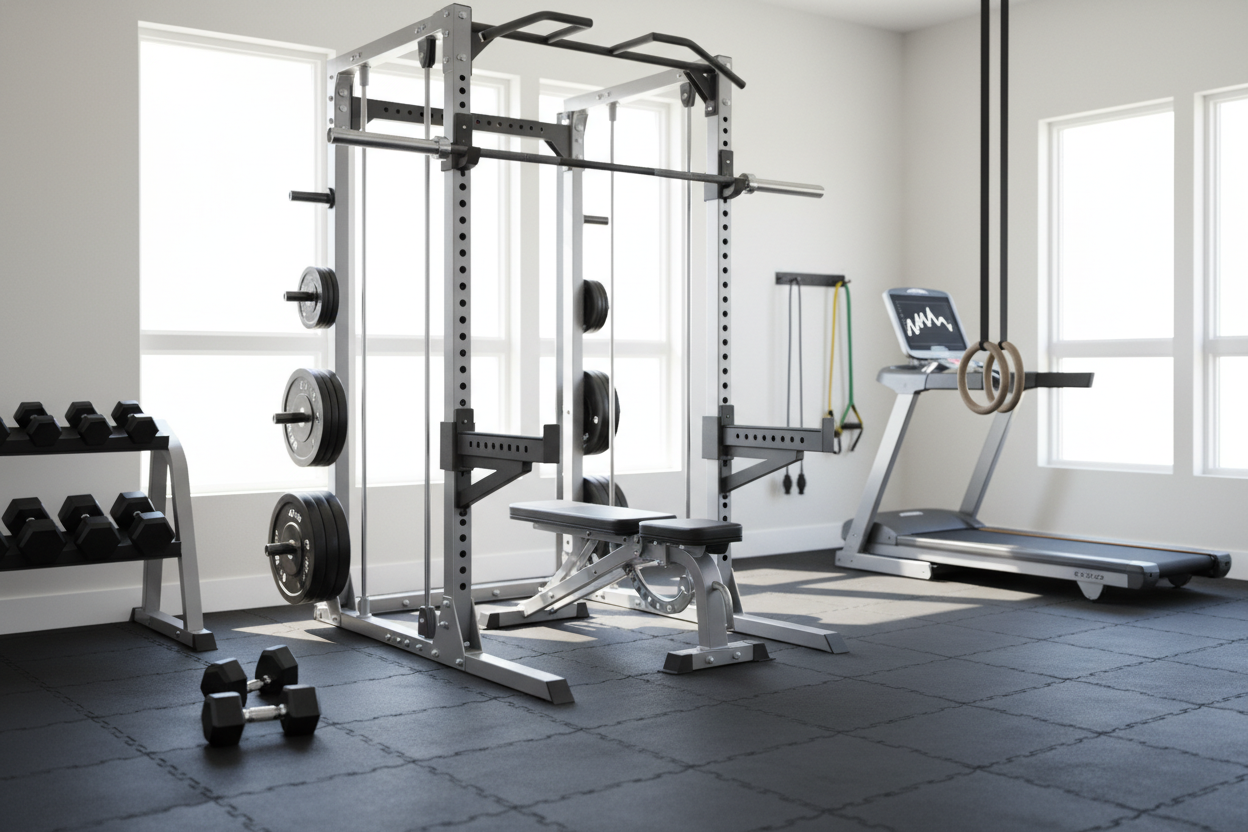
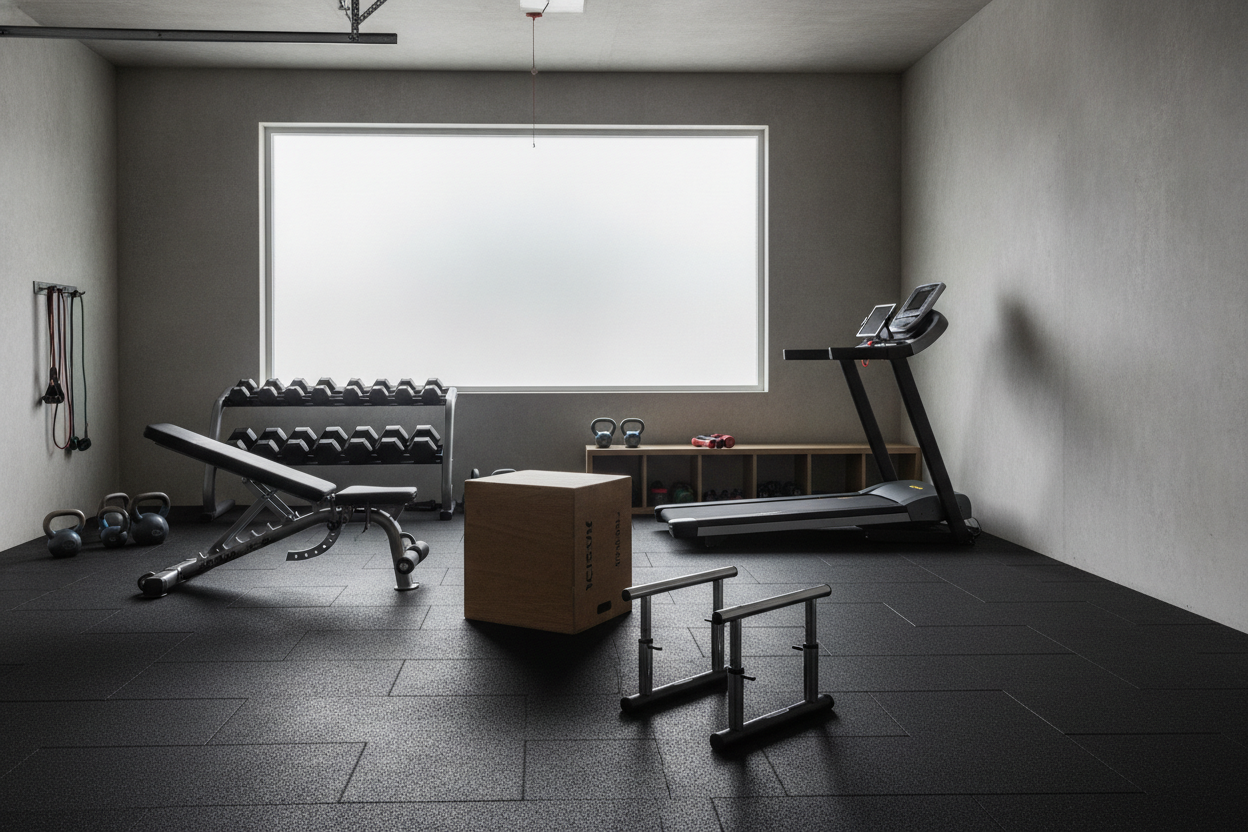
- You can build a world-class senior strength setup in a 6x6 foot space.
The 'Take It Easy' Trap Is Ruining Your Golden Years
The medical community and the mainstream fitness industry have a bad habit of coddling anyone over the age of 60. They tell you to 'take it easy' and stick to the pool or a slow stroll. This advice is actually dangerous. By avoiding strain, you are essentially inviting frailty into your life. When you stop challenging your muscles, they atrophy, and your bones become brittle. This is how a simple trip on a curb becomes a life-altering hip fracture.
True senior weight training requires a total mindset shift. You aren't fragile; you're just undertrained. We need to stop handing seniors 2lb weights and start giving them resistance that actually triggers a biological response. If a weight doesn't feel 'heavy' by the tenth rep, it isn't doing anything for your bone density or your longevity. Strength for seniors is about building a body that can handle the unexpected—a heavy grocery bag, a grandchild, or a sudden slip.
I’ve seen dozens of people in their 70s and 80s completely reverse their physical decline by simply deciding to lift something that made them sweat. It’s about respect. You deserve a program that assumes you are capable of progress, not one that assumes you’re already on your way out. Strength exercises older adults actually need are the ones that demand effort.
Why You Need Real Resistance, Not Just a Daily Walk
Don't get me wrong, I like walking. It’s great for your heart and your mental health. But walking is not a substitute for weight lifting for the elderly. Cardiovascular health and musculoskeletal health are two different animals. Walking doesn't stop sarcopenia—the natural loss of muscle mass that accelerates after age 65. Only weight training for older adults can do that. When you lift, you create micro-tears in the muscle that the body repairs, making you stronger and more resilient.
Weight training programs for seniors are non-negotiable because they are the only way to maintain bone mineral density. When you put a load on your frame, your osteoblasts (the cells that build bone) go to work. This is why weightlifting for the elderly is the best defense against osteoporosis. A daily walk won't make your bones denser, but a set of squats will. We are talking about the difference between being able to live alone at 85 or needing a full-time caregiver.
Furthermore, muscle is metabolically active. The more you have, the better your body processes blood sugar and manages inflammation. Senior citizen strength training isn't about looking like a bodybuilder; it's about maintaining the biological machinery that keeps you alive and functional. Without resistance, that machinery rusts. Weight training routines for seniors should be viewed as a medical necessity, just like a heart pill or a clean diet.
The Only 4 Strength Exercises for Seniors That Actually Matter
You don't need a gym filled with chrome machines and confusing cables. In fact, most of those machines are designed for 20-year-olds with perfect joint mobility. For the rest of us, the minimal effective dose is the way to go. You can get 95% of the benefits of strength training exercises for seniors by mastering just four movements. These moves target every major muscle group and, more importantly, translate directly to the movements you do every day in your own home.
I’m a big fan of the 'less is more' approach. When you have a 20-exercise circuit, you get tired, your form breaks down, and you eventually quit because it's a chore. When you have four moves, you can focus on being perfect at them. This is the secret to a successful senior weight lifting program. We’re going to focus on squatting, pushing, carrying, and pulling. That’s it. No fluff, no wasted movement.
1. The Box Squat (Because Getting Off the Couch Matters)
The squat is the king of all exercises, but for many, a traditional squat is intimidating or hard on the knees. Enter the box squat. By squatting down until your glutes touch a bench or a sturdy chair, you take the guesswork out of the movement. It builds incredible leg strength and hip mobility without the sheer stress that comes from 'floating' in mid-air. This is the ultimate functional movement for weight exercises for seniors.
If you can’t get off the couch without using your arms, you have a strength problem, not an age problem. The box squat fixes this. Start with just your body weight. Sit back, touch the bench lightly—don't just plop down—and drive through your heels to stand up. As you get stronger, hold a small weight at your chest. This is the foundation of weight lifting for senior citizens.
2. The Incline Push-Up (For Fall Protection)
Pushing strength is what allows you to catch yourself if you stumble. If your upper body is weak, a small trip results in your face hitting the floor. The incline push-up, performed against a kitchen counter or a sturdy weight bench, is the perfect way to build chest and shoulder strength. It’s weight training for seniors over 70 that actually has a safety payoff.
I prefer the incline version over floor push-ups because it’s easier on the wrists and shoulders. It also allows you to maintain a perfect plank position, which builds core stability. As you get stronger, you can move to a lower surface. The goal is to build a 'shield' of muscle across your chest and arms. This is essential resistance training for senior women and men alike.
3. The Farmer's Carry (Grip Strength Equals Longevity)
This is my favorite exercise for anyone over 60. You pick up a pair of weights—one in each hand—and you walk. That’s it. But while you’re walking, your entire core is working to keep you upright, and your hands are working to hold the load. Science has shown a direct correlation between grip strength and all-cause mortality. If your grip is strong, your body is usually strong.
You’ll need some basic strength training accessories for this, like a pair of dumbbells or kettlebells. Don't go too light. You want something that challenges you to hold on for 30 to 60 seconds. It builds a bulletproof core and improves your balance better than any 'balance board' ever could. This is the best strength training for seniors who want to stay upright and capable.
4. The Supported Dumbbell Row (For Posture and Back Health)
Gravity is trying to pull your head and shoulders forward every second of the day. The 'senior hunch' isn't inevitable; it’s a result of weak upper back muscles. The supported dumbbell row—where you lean one hand on a bench and pull a weight with the other—targets the muscles that pull your shoulders back and down. It is the gold standard for muscle building exercises for seniors.
By supporting your weight with one hand, you protect your lower back from strain. This move ensures your spine stays aligned and your posture stays youthful. It’s a critical component of any weight lifting routine for seniors. Strong lats and rhomboids mean less neck pain and a more confident stride. Don't skip the pulling movements; they are the antidote to a sedentary life.
Setting Up a Safe, BS-Free Lifting Space at Home
You don't need a $5,000 home gym. Strength training for seniors at home is incredibly safe as long as you follow a few rules. First, clear the floor. Tripping hazards are your enemy. You need a 6x6 foot space with a flat, non-slip surface. If you’re training on carpet, get a thin rubber mat to put over it so you don't slide. Good footwear is also a must—no lifting in socks or slippers.
The centerpiece of your home setup should be a sturdy adjustable weight bench. You’ll use this for your box squats, your incline push-ups, and your supported rows. Don't buy a cheap, wobbly bench from a big-box store. You want something with a weight capacity of at least 500 lbs to ensure it stays rock-solid while you’re moving. A stable surface is the difference between a productive workout and a nervous one.
When choosing the right weight training equipment, start with a small set of adjustable dumbbells. They save space and grow with you as you get stronger. You don't need a full rack of weights yet. Focus on gear that fits your current mobility levels. If you have trouble bending down, keep your weights on a waist-high shelf rather than the floor. This is about making the environment work for you, not the other way around.
How to Start Without Waking Up Miserably Sore
The biggest mistake I see in beginning weight training for seniors is doing too much too soon. You aren't 22 anymore; your recovery takes longer. Start with two days a week, with at least two days of rest in between. Monday and Thursday is a classic schedule that works for almost everyone. In the first month, your only goal is perfect form. If the weight feels easy, keep it easy for now. You are training your nervous system to move correctly.
Keep your repetitions in the 8 to 12 range. If you can do 15 reps easily, the weight is too light. If you can't get to 8 without your form breaking, it's too heavy. This 'sweet spot' is where the magic happens for muscle-building for seniors at home. Always warm up with five minutes of light movement—arm circles, high knees, or just walking in place—to get the blood flowing to your joints. Consistency beats intensity every single time.
Senior Strength FAQ
Is weight lifting safe if I have arthritis?
In most cases, yes. Strength training actually lubricates the joints and strengthens the muscles around them, which reduces the load on the joint itself. Just avoid movements that cause sharp, stabbing pain. Dull aching is often just the muscle working.
How heavy should I start?
Start with a weight that you can move comfortably but that feels 'challenging' by the end of your set. For most seniors, this is somewhere between 5 and 15 pounds for upper body moves and 10 to 20 pounds for lower body moves.
Do I need a personal trainer?
While not strictly necessary, having a coach check your form for one or two sessions is a great investment. If that's not an option, film yourself on your phone and compare it to professional videos online to ensure your back is flat and your knees are tracking correctly.
My Personal Experience with Senior Strength
I remember when my uncle turned 70. He had stopped playing golf because his back 'just couldn't take it.' He was convinced he was just 'getting old.' I spent three months working with him on these exact four moves. We started with box squats to a high chair. He was terrified of 'throwing his back out.' But as his glutes and core got stronger, his back pain actually vanished. Six months later, he was back on the course, hitting the ball further than he had in a decade. The biggest hurdle isn't your age; it's the belief that you're finished. You're not.