The Only 4 Pieces of Home Gym Equipment for Beginners You Need
I remember the exact moment I realized my first 'starter' set was a joke. I had just bought one of those plastic-coated dumbbell kits from a big-box store. Within three weeks, the sand inside started leaking out of the seams, and I had already outgrown the 20-pound maximum weight. It was a waste of a hundred bucks and a trip to the landfill.
Building a setup doesn't mean buying everything at once. If you're hunting for home gym equipment for beginners, you need gear that grows with you, not gear that you'll break or outgrow by the time you finish your first program. I've spent years testing racks, bars, and benches, and I can tell you that four specific items will get you 90% of the results for about 20% of the cost of a 'pro' setup.
Quick Takeaways
- Skip the 'all-in-one' plastic kits; they have zero resale value and break easily.
- Prioritize an adjustable bench with at least a 500-lb weight capacity.
- Adjustable dumbbells save massive amounts of floor space compared to a full rack.
- Protect your joints and your floor from day one with a high-density mat.
The 'Starter Kit' Trap (And Why You Should Avoid It)
Walk into any sporting goods store and you'll see them: 'Beginner Gym Sets' featuring flimsy resistance bands, 5-lb neoprene weights, and maybe a stability ball. This is the biggest trap in the industry. These companies bank on the fact that you might quit in a month, so they sell you disposable gear. If you actually stick with your training, this stuff becomes useless fast.
Real beginner home workout equipment should be scalable. You want basic home fitness equipment that feels solid when you grip it. If a bench wobbles when you sit on it, you won't trust it when you're trying to press a heavy pair of weights. Buying 'cheap' usually means buying twice. I'd rather see you buy one pair of heavy-duty dumbbells than a 10-piece kit of plastic junk.
The 4 Core Pieces of Home Gym Equipment for Beginners
You don't need a 2,000-square-foot garage to get strong. You need a setup that allows you to squat, hinge, push, and pull. By picking the right basic home gym needs, you can create a highly effective at home gym in a corner of your bedroom or a small slice of the garage.
1. A Heavy-Duty Adjustable Bench
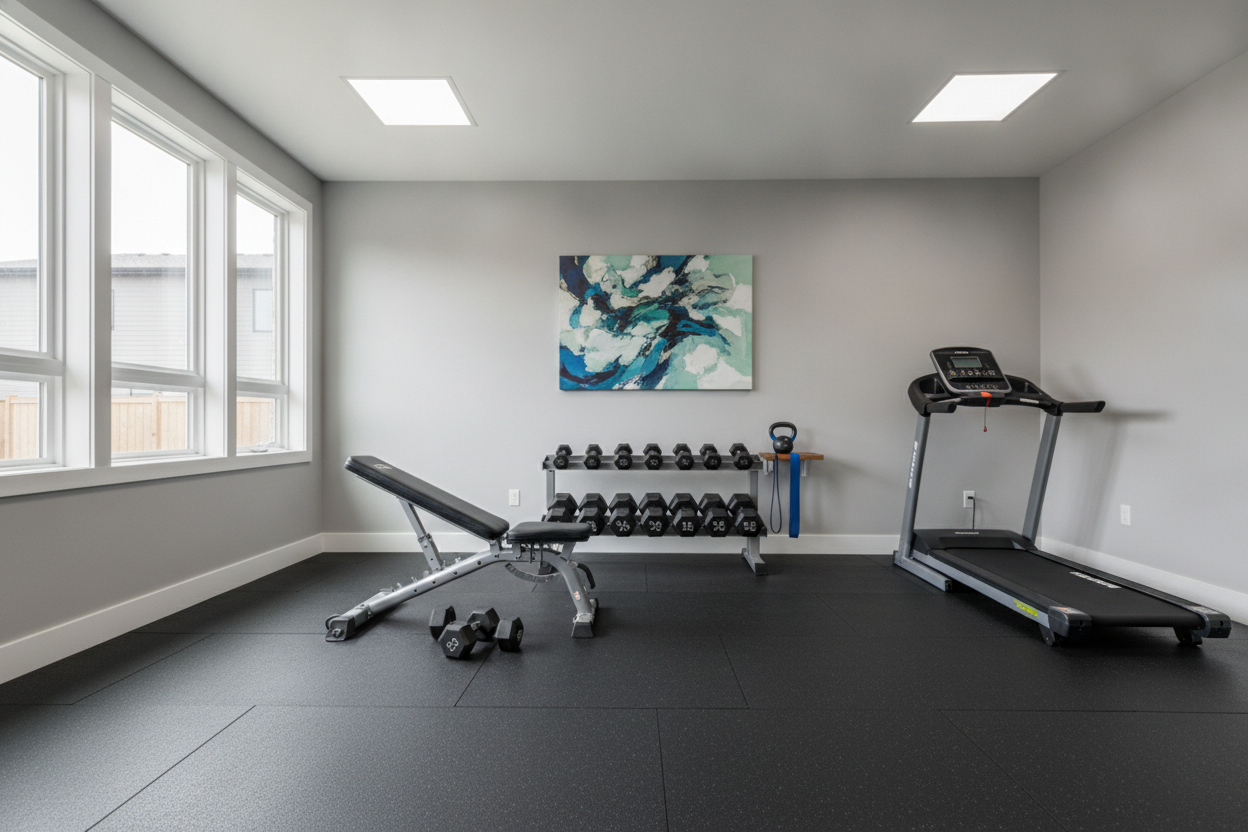
A bench is your foundation. Without one, you're stuck doing floor presses with a limited range of motion. Look for a bench that offers flat, incline, and decline positions. This allows you to hit different angles of your chest and shoulders, which is vital for strength training equipment for beginners.
Check the specs for the 'total weight capacity.' A 300-lb capacity might sound like enough, but remember that includes your body weight PLUS the weights you're holding. I always recommend a bench rated for at least 500 to 600 lbs. It feels more stable, doesn't creak, and won't fold under you as you get stronger.
2. Adjustable Dumbbells That Actually Scale
Dumbbells are the best home gym equipment for beginners because they force you to stabilize the weight, fixing muscle imbalances that barbells can sometimes hide. But buying a full rack of individual dumbbells is expensive and takes up an entire wall.
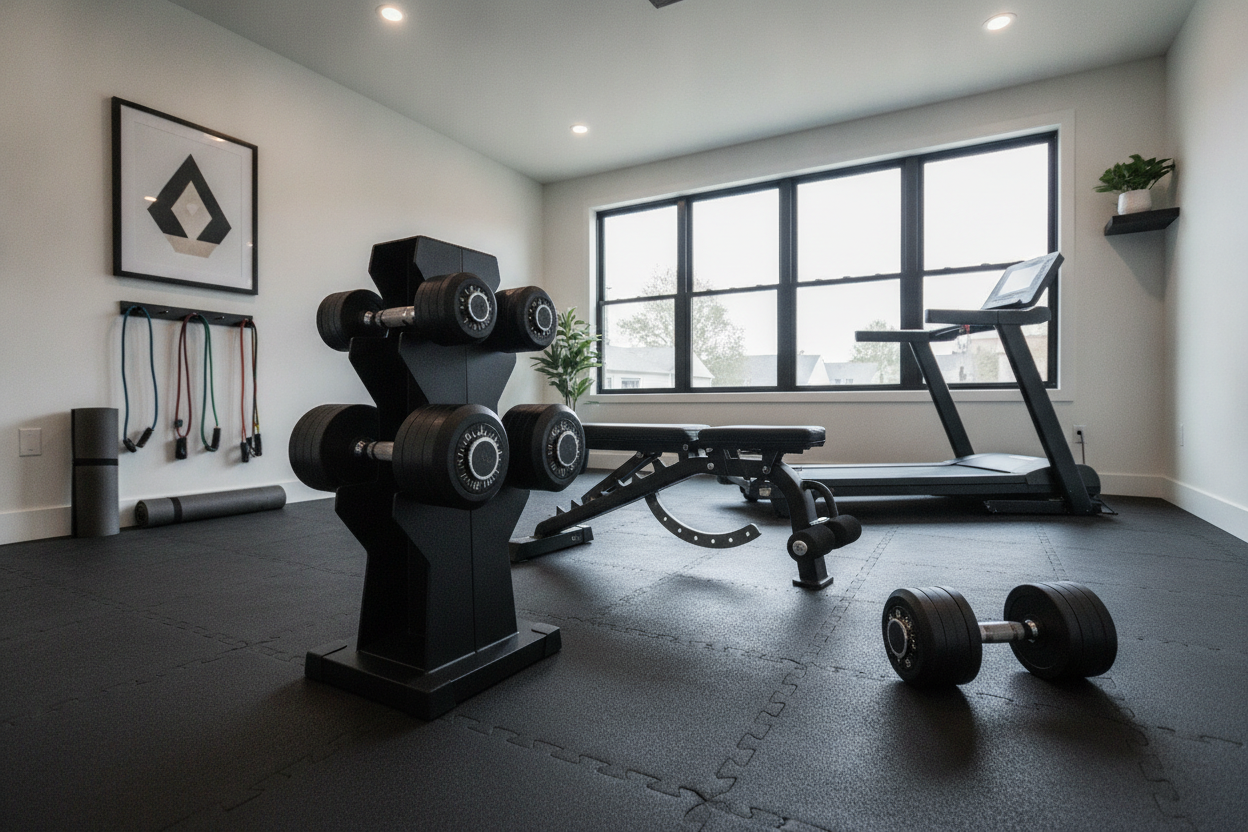
Invest in a pair of adjustable dumbbells. Sets like PowerBlocks or high-end dial systems can replace 15 to 20 pairs of weights. Make sure the set you buy goes up to at least 50 lbs per hand. It might feel heavy now, but if you're consistent with weightlifting equipment for beginners, you'll be using those 50s for lunges and rows within six months.
3. A Suspension Trainer or Doorway Pull-Up Bar
The biggest mistake in simple home gym equipment setups is forgetting 'pulling' movements. People buy benches and weights to push, but they forget their backs. A suspension trainer (like a TRX or a high-quality knockoff) is the ultimate beginner gym equipment for back development. You can do rows, face pulls, and even assisted squats.
If you have a sturdy door frame, a pull-up bar is another 'must-have.' Even if you can't do a pull-up yet, you can use it for 'dead hangs' to build grip strength or use bands to assist your reps. It’s the most basic workout equipment there is, but it’s incredibly effective.
4. A Generous, Non-Slip Training Surface
Lifting on carpet is a recipe for a rolled ankle, and lifting on hardwood will ruin your floors (and your security deposit). You need a dedicated space. A 6x8ft exercise mat is usually the sweet spot for a bench and dumbbell setup. It’s large enough that you won't step off the edge during lunges but small enough to fit in most rooms.
If you're planning to expand later or have a dedicated garage space, look into a large exercise mat for home gym use. You want something at least 6mm to 7mm thick. This dampens the noise—which your family or neighbors will appreciate—and saves your joints during high-impact movements.
What You Absolutely Don't Need (Yet)
Don't buy a treadmill. Unless you live in the Arctic, walking outside is free. Most home exercise equipment for beginners marketed on TV—like vibrating plates or 'ab-shredding' wheels—is a distraction. They do one thing, and usually not very well.
You also don't need a massive cable crossover machine. They cost thousands and take up half a room. You can mimic almost every cable exercise using your adjustable dumbbells and a set of $20 resistance bands. Keep your simple home fitness equipment simple until you've actually built a habit of working out four days a week.
How to Know When It's Time to Upgrade
You’ll know it’s time to move past basic exercise equipment when you’re 'maxing out' your dumbbells on compound lifts like squats or deadlifts. If you find yourself doing 20+ reps because the weight is too light, it's time to look at a barbell and rack.
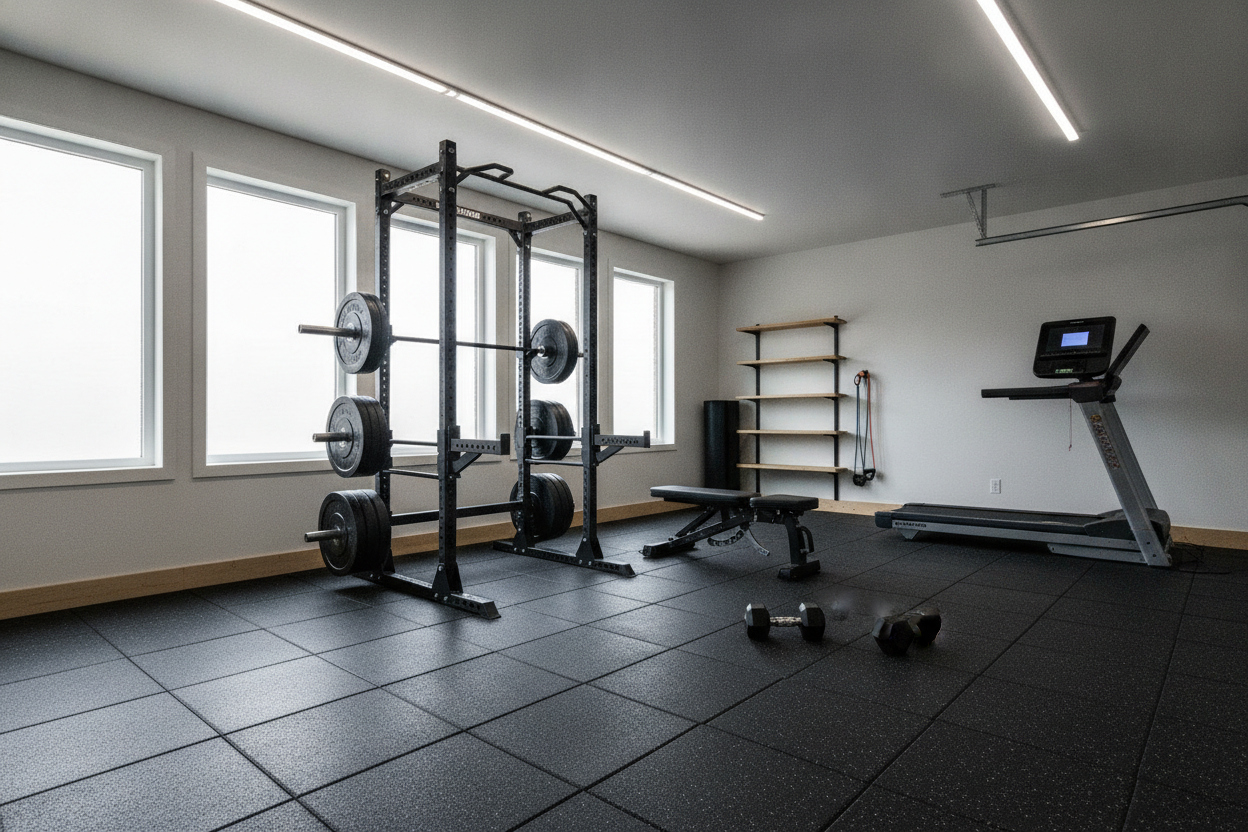
Once you've mastered the basics and built a solid strength base, you can start researching essential home gym equipment for the next phase, like a power cage and Olympic plates. But for now, focus on the bench, the dumbbells, and the mat. That's all you need to get started.
Personal Experience: My First Fail
I once bought a 'bargain' barbell set from a garage sale for $50. The bar was a standard 1-inch diameter (not the 2-inch Olympic size) and it was rated for 200 lbs. I thought I was being smart. The first time I tried to deadlift 185 lbs, the bar actually developed a permanent slight curve. It taught me a valuable lesson: if the gear feels like a toy, it'll perform like one. I ended up spending more money to replace it with a real bar a month later. Buy once, cry once.
FAQ
How much space do I need for a beginner home gym?
You can get a full workout done in a 6x8 foot area. This fits a bench, a set of dumbbells, and gives you enough room to move around without hitting the walls.
Is it cheaper to buy a gym membership or home equipment?
Initially, the gym is cheaper. But a solid beginner workout equipment set pays for itself in about 12 to 18 months of saved membership fees, not to mention the time saved on commuting.
Can I build muscle with just dumbbells and a bench?
Absolutely. Some of the most effective muscle-building exercises—like Bulgarian split squats, dumbbell presses, and rows—only require these two pieces of gear.