The Only 4 Muscle Strength Exercises Worth Loading Heavy
I remember standing in a big-box gym three years ago, watching a guy spend forty-five minutes on cable kickbacks while my monthly membership fee ticked away. I realized then that most people are just 'exercising' without actually getting stronger. If you want to stop spinning your wheels, you have to prioritize muscle strength exercises that actually move the needle on your physical capacity.
Quick Takeaways
- Prioritize compound movements that use multiple joints simultaneously.
- Keep your rep ranges low (3-5) and your rest periods long (3-5 minutes).
- Strength is a skill; you are training your nervous system, not just your muscles.
- Invest in floor stability and a solid belt before buying fancy machines.
The Difference Between Getting a Pump and Getting Strong
Chasing the 'pump' is great for the ego and the mirror, but it's a poor proxy for raw power. When you do high-rep isolation work, you're mostly increasing sarcoplasmic hypertrophy—essentially filling the muscle cells with fluid. That’s not a bad thing, but it’s not a true example of muscular strengthening. Real strength is about myofibrillar hypertrophy and neurological efficiency.
When I shifted my focus from 'feeling the burn' to 'moving the weight,' everything changed. To truly exercise muscle strength, you have to recruit the largest motor units in your body. This requires high tension. You can't get that tension from a lateral raise or a tricep extension. You get it by standing under a heavy bar and forcing your central nervous system to fire every fiber it has. These muscular exercises aren't meant to be easy or comfortable; they are meant to be heavy.
If you're looking for exercises for muscular strength, stop thinking about individual muscles. Think about movement patterns. Your body doesn't know what a 'bicep' is; it knows how to pull. It doesn't know what a 'quad' is; it knows how to stand up under a load. Muscular strength workouts should be built around these primal patterns rather than isolated body parts.
The Mechanics of Real Muscle Strength Exercises
The gold standard for any activity for muscular strength is the compound movement. These are multi-joint exercises that allow you to move the most weight possible. Why does this matter? Because the heavier the load, the more your brain has to coordinate different muscle groups to work in unison. This is how you build functional, transferable power that helps you move a couch or deadlift a 400-pound bar.
Understanding how to strengthen the muscles effectively requires a shift in mindset. You need to move sub-maximal loads with maximum intent. Even if the bar is moving slowly because it's heavy, your brain should be trying to move it as fast as possible. This 'compensatory acceleration' is what builds real explosiveness. The foundation of full-body power starts with compound leg movements, which is why I always tell people to Build True Strength Through Proper Exercise Of Lower Body before worrying about their accessory work.
Another key factor in exercise for muscular fitness is stability. If your body feels unstable, your brain will literally 'throttle' your strength to prevent injury. This is why muscular strength activities performed on a stable surface with a barbell are almost always superior to those done on a BOSU ball or unstable platforms. You want your muscles to focus on force production, not on keeping you from falling over.
My Shortlist of Essential Muscular Exercises
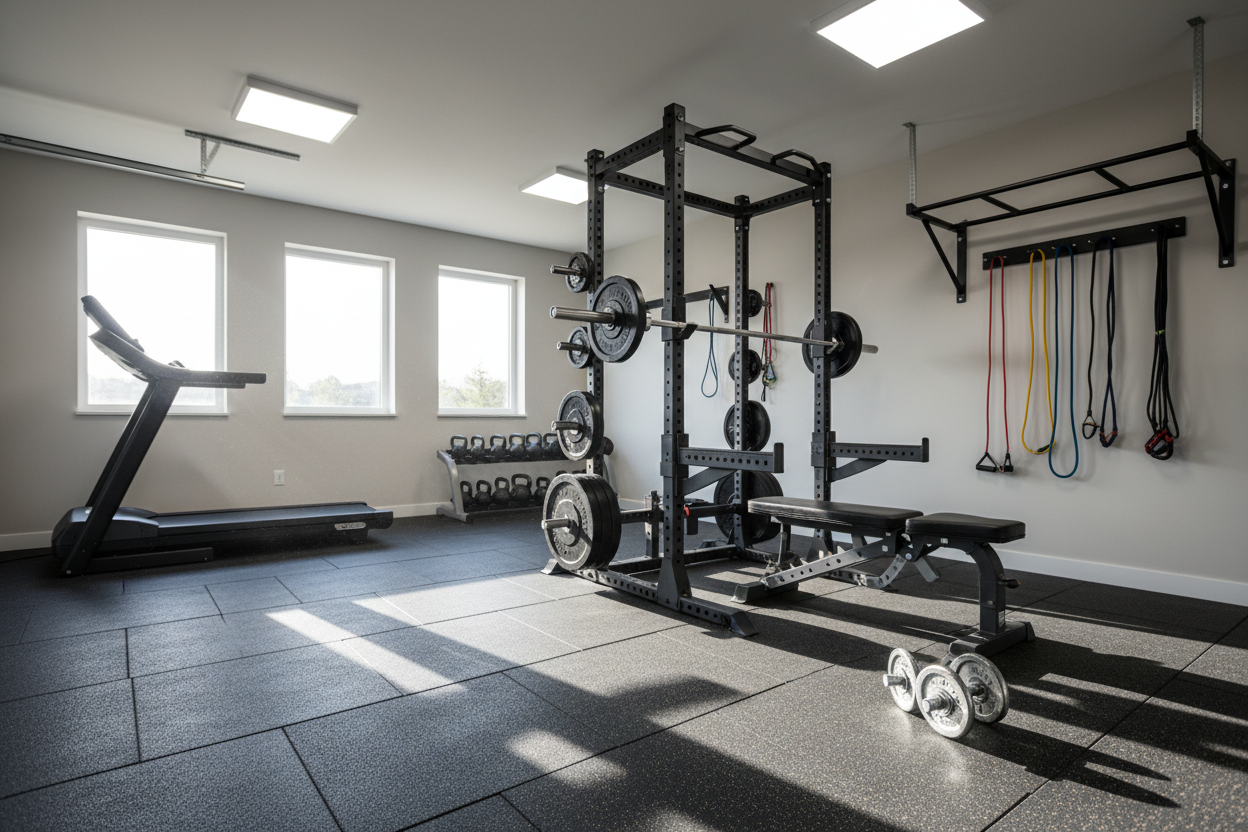
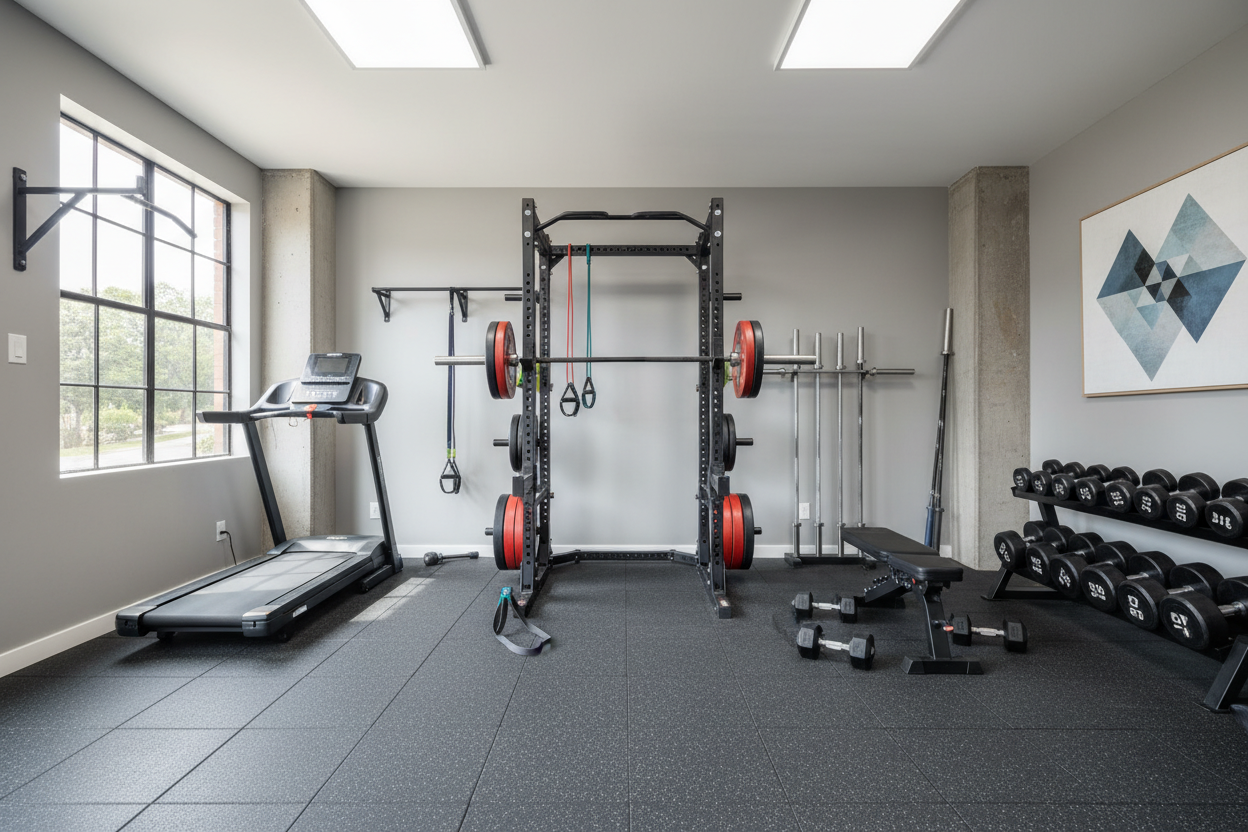
If I had to strip my home gym down to the bare essentials, I’d only keep the gear needed for these four movements. These are the ultimate examples of muscular strength activities. First is the low-bar back squat. It’s the king of muscular strength training because it taxes the entire posterior chain and requires immense core stability. If your squat goes up, everything else usually goes up with it.
Second is the conventional deadlift. This is the purest muscular strength example exercise there is. You pick something heavy up off the floor. No momentum, no stretch reflex—just raw force. Third is the strict overhead press. While many people love the bench press, the overhead press is a better muscular strength workout example for total body coordination because you have to stabilize the weight from your feet to your fingertips.
Finally, we have the barbell row. Most people neglect their back, but you can't have a strong front without a massive back. These are the types of muscular exercise that build a resilient body. If your lower back is fried from too many deadlifts but you still want to push the volume, a Lower Body Strength Machine can be a solid secondary option to keep the stimulus high without the spinal fatigue.
These activities to improve muscular strength are the meat and potatoes. Everything else is just garnish. If you aren't getting stronger at these four, you aren't really doing a muscle strength exercise in any meaningful way. I’ve wasted months on 'functional' movements that didn't do half as much for my physique or power as a simple heavy set of five squats.
How to Program Workouts for Muscle Strength
The biggest mistake people make with workouts for muscle strength is doing too much. You cannot train for pure power with the same volume you use for bodybuilding. If you’re doing 15 reps, you’re training endurance, not strength. For muscular fitness exercises, you want to stay in the 3 to 5 rep range. This allows for a high enough intensity (80-90% of your max) to trigger the CNS adaptations we want.
Rest is the other variable people mess up. If you're breathing hard when you start your next set, you’re doing cardio. To improve muscle strength, you need your ATP stores to fully recover. That takes time—usually 3 to 5 minutes between heavy sets. It feels like a long time to sit on a bench, but it’s necessary if you want to move heavy weight. This isn't a circuit; it's a strength session.
Focus on linear progression. Add five pounds to the bar every week. It sounds slow, but 5 pounds a week is 260 pounds in a year. That is how you actually execute a body strengthening exercise plan that works. Don't change your program every two weeks because you're 'bored.' Strength is boring until you realize you're the strongest person in your local gym. That's when it gets fun.
The Bare Minimum Gear You Need to Push Heavy
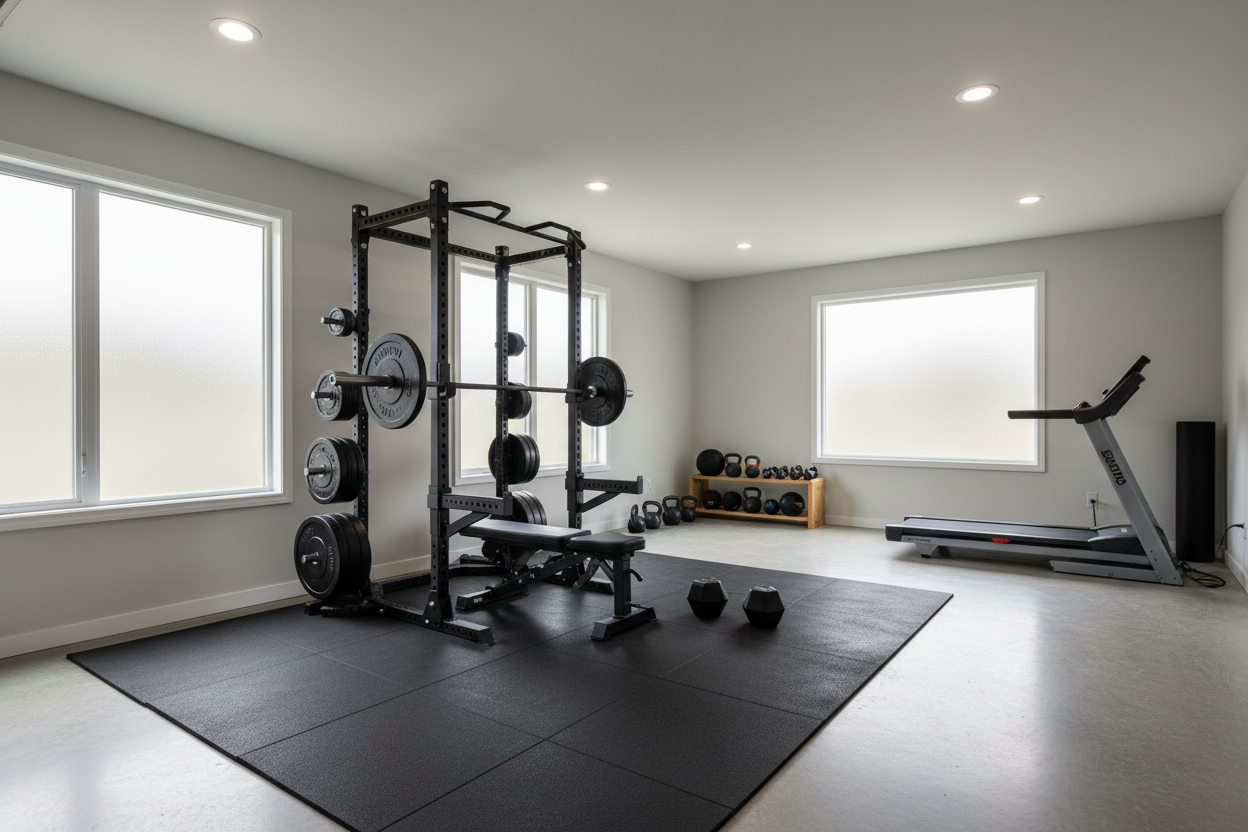
You don't need a $5,000 rack to get strong, but you do need a few essentials. First, your floor needs to be rock solid. I learned the hard way that lifting on bare concrete or cheap foam tiles is a recipe for a slipped disc. I use a 6X8Ft Exercise Mat Yoga Mat Gym Flooring For Home Workout because it grips the concrete and saves my plates from cracking the slab. Stability starts at the feet.
Second, get a real lifting belt. Not a flimsy velcro one, but a 10mm or 13mm leather belt. This gives your abs something to brace against, which increases intra-abdominal pressure and protects your spine. I only keep a few Strength Training Accessories in my bag—usually just a leather belt and some liquid chalk. Anything more than that is usually a distraction from the work at hand.
Lastly, make sure your bar has decent knurling. If the bar is sliding out of your hands during a deadlift, you're not training your legs; you're training your grip. Use chalk or straps if you have to, but don't let a weak grip limit your muscle strength activity. Buy quality once, and you won't have to buy it again when the cheap stuff breaks under a real load.
Personal Experience: The 405-lb Mistake
A few years ago, I was obsessed with 'accessory' movements. I thought I could build a huge squat by doing leg presses and extensions. I spent six months avoiding the heavy rack because I was afraid of the strain. When I finally got back under the bar, I had actually lost strength. My 'muscular strength activity examples' were all fluff. I had to swallow my pride, strip the weight back to 135, and start over with the basics. It was a humbling lesson: there is no substitute for a heavy barbell on your back.
FAQ
How many times a week should I do muscle strength exercises?
For most people, 3 to 4 times a week is the sweet spot. Heavy lifting takes a toll on your central nervous system, and you need those recovery days to actually grow stronger. If you train heavy every single day, you'll burn out in a month.
Can I build muscle with strength training?
Absolutely. While the rep ranges are lower, the total mechanical tension is much higher. You might not get the same 'pump,' but the muscle you build will be dense and functional. Most of the strongest people you know are also pretty big for a reason.
Are machines as good as free weights for strength?
Machines are great for isolation and hypertrophy, but for raw strength, free weights are superior. Free weights force you to stabilize the load in three dimensions, which recruits more muscle fibers and builds better overall coordination.