The Only 3 Pieces of Gear You Need for Mature Fitness
I recently helped a neighbor clear out his garage, and I found three different 'as-seen-on-TV' senior fitness gadgets gathering dust. One was a plastic stepper that creaked if you looked at it wrong; another was a set of sand-filled weights leaking all over the concrete. It made me realize how much junk is marketed under the guise of mature fitness. You do not need a medical-grade facility in your spare bedroom; you just need gear that does not break when you actually use it.
- Ditch the plastic: If it looks like a toy, it will perform like a toy.
- Floor first: Traction is the most underrated safety feature.
- Real resistance: Bone density requires actual load, not just movement.
- Small wins: Grip aids and joint support keep you consistent when arthritis flares up.
Stop Buying Flimsy 'Senior' Gadgets
The fitness industry treats training the elderly like a delicate medical procedure. They want to sell you vibrating foot plates and 1-lb foam dumbbells because they are safe for the manufacturer's liability, not because they are effective for you. When you are looking at old people working out, you see the same physiological needs as anyone else: stability and resistance. Marketing gimmicks fail old people training because they lack the structural integrity to support a body that is trying to get stronger.
I have seen 'senior' chairs that wobble the moment you try a seated row. That is not just annoying; it is dangerous. You need commercial-grade stability. If a piece of equipment has a weight capacity of 200 lbs and you weigh 190 lbs, you are redlining that machine. Look for gear with 500-lb plus ratings. You want steel, not high-impact plastic. We are building a home gym, not a clinic. High-quality gear provides the confidence to push yourself without the fear of a weld snapping mid-set.
Start With the Floor (Seriously, Don't Skip This)
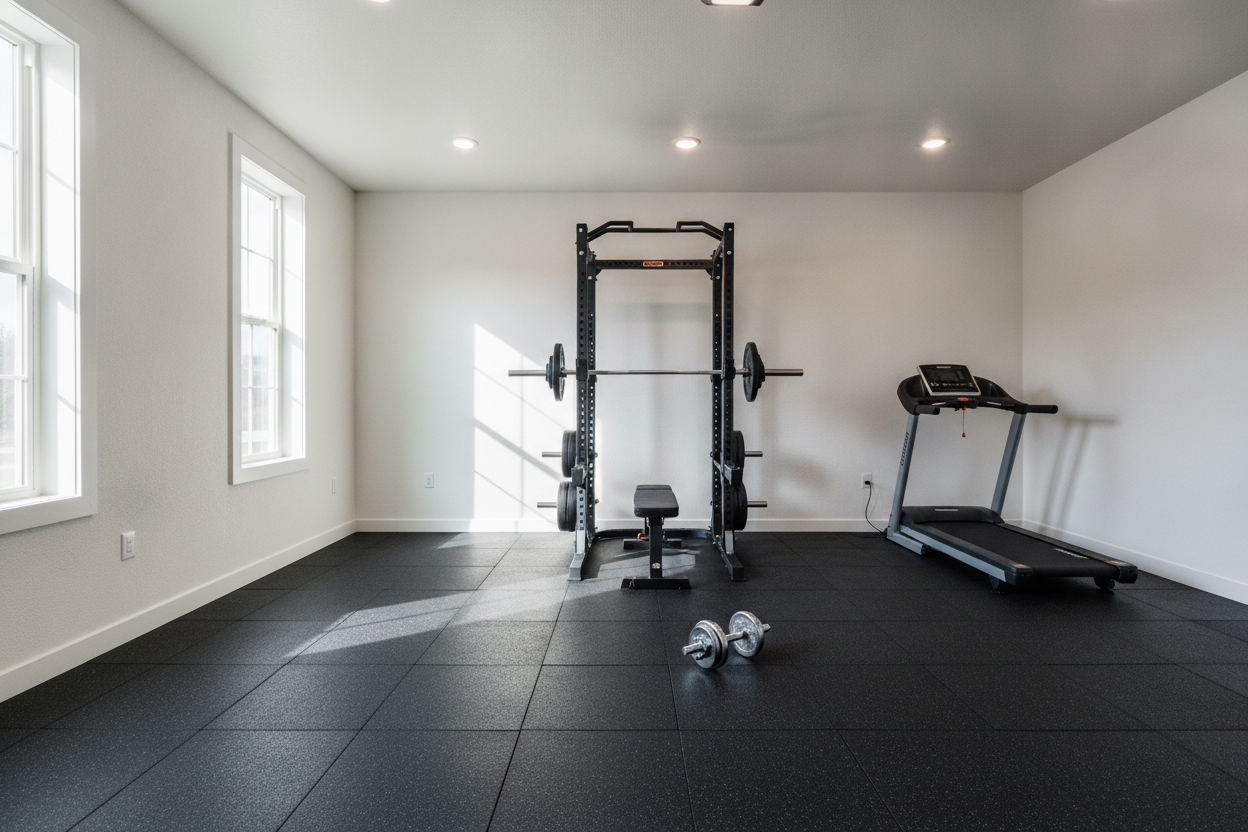
An older adults training program must prioritize fall prevention above all else. Most people think about the weights first, but they ignore what they are standing on. Doing exercises on slick hardwood or plush living room carpet is a recipe for a disaster during seniors training. Carpet bunches up under your feet during lateral movements, and hardwood becomes a skating rink the moment a single drop of sweat hits it.
You need a high-traction base. A dedicated 6x8ft exercise mat is the bare minimum for a safe setup. This specific size gives you enough real estate to perform ground-to-stand movements, lunges, and bird-dogs without having to worry about your foot catching the edge of the mat. I prefer high-density rubber over soft foam. Foam feels good on the knees, but it is unstable for balance. A firm, grippy surface tells your brain that your feet are locked in, which is essential for training for elderly users who might be dealing with proprioception changes.
You Need Real Weights, Not Soup Cans
Let's talk about sarcopenia—the age-related loss of muscle mass. You cannot fight a biological landslide with soup cans or two-pound pink dumbbells. Training older adults requires actual progressive overload. To keep your bones dense and your metabolism humming, you have to lift things that feel heavy. That does not mean you are maxing out a deadlift on day one, but it does mean you need a path to progress.
Ditch the 'light weight, high reps' myth for a second. If you can do 30 reps with a weight, you are not building strength; you are just getting tired. You need a dumbbell setup you actually need that allows you to start light—say, 5 lbs—and work your way up to 25 or 50 lbs over time. I recommend adjustable dumbbells or a small rack of hex-head weights. They do not roll away, and the knurling gives you a secure grip. Elderly training is about functional independence, and nothing translates to the real world better than being able to carry a 30-lb bag of groceries without breaking a sweat.
Is a Home Exercise Bike Actually Worth the Space?
The cardio question is a big one for training for older adults. I used to think stationary bikes were just expensive coat racks, but I have changed my mind after seeing how they assist with joint lubrication. A training bicycle for adults is a smart investment if you use it as a 'movement prep' tool. Five to ten minutes of low-resistance spinning before you hit the weights gets the synovial fluid moving in your knees and hips.
Is it worth the space? Only if it is a step-through design. If you have to climb over a high middle bar to get on the seat, you will eventually stop using it. Look for a recumbent or a dedicated upright bike with a low entry point. It is low-impact, it keeps the heart healthy, and it provides a safe way to get your heart rate up without the joint jarring of a treadmill. Just don't let it become your only form of exercise. Cardio is the support act; strength training is the headliner.
The Small Extras That Save Your Joints
Finally, we need to address the 'gatekeepers' of training: the hands and the joints. Often, a person's legs and back are strong enough to lift a weight, but their grip strength—hampered by arthritis—is the weak link. This is where strength training accessories come into play. You are not 'cheating' by using wrist wraps or lifting straps; you are bypassing a limitation to train the target muscle.
I also recommend a set of thick-handled grips. They actually make it easier on the small joints of the hand by distributing the pressure across a wider surface area. These small additions make training the elderly sustainable for the long haul. If your joints don't ache every time you pick up a weight, you are much more likely to show up for your session tomorrow.
My Personal Lesson in 'Cheap' Gear
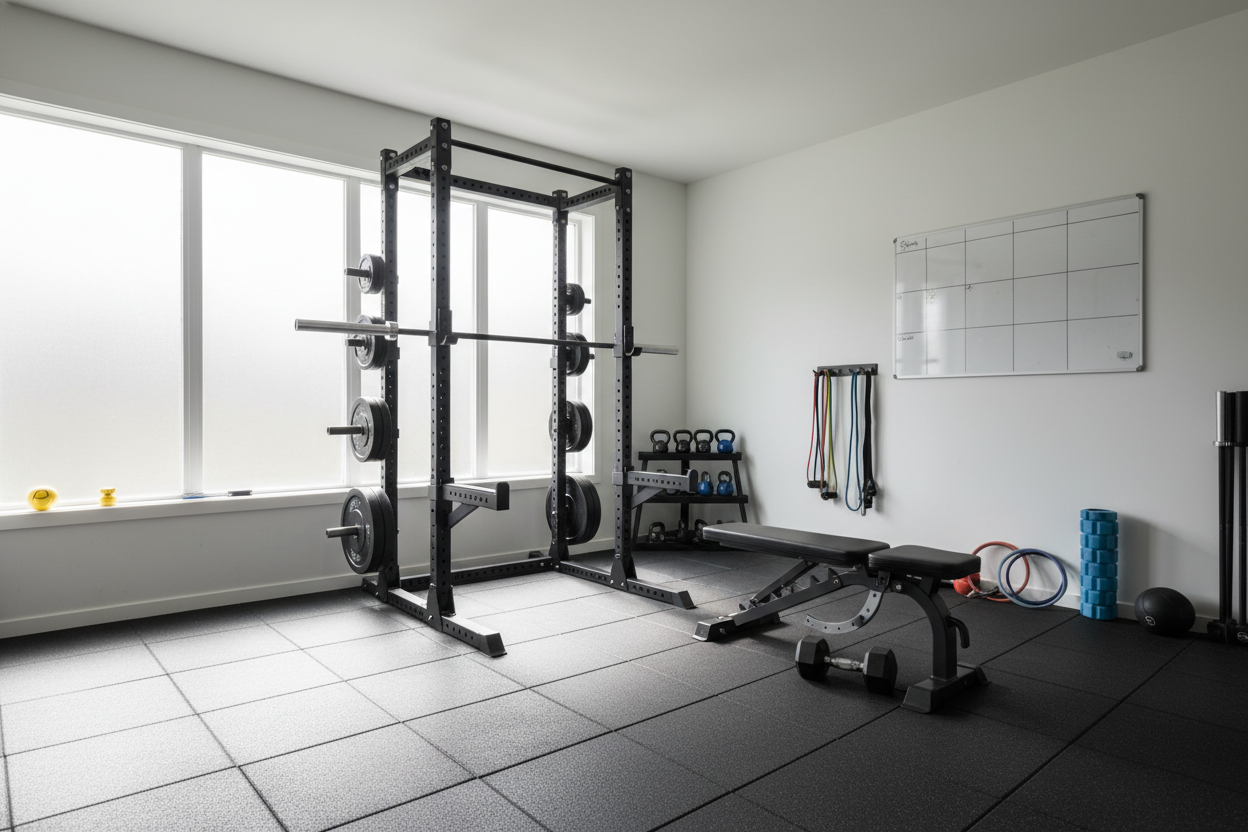
I once bought my father a budget-tier squat stand from a big-box store. It looked fine in the photos, but when we got it home, the uprights were thin-walled steel that flexed when he racked a 45-lb bar. He didn't trust it, so he didn't use it. I eventually replaced it with a heavy-duty, 3x3 inch steel rack. The difference in his confidence was night and day. If the equipment feels like it might fail, your body will naturally hold back. Buy the heavy stuff once, and you will never have to buy it again.
FAQ
How heavy is too heavy for seniors?
Weight is relative. 'Too heavy' is any weight that causes your form to break down or causes sharp pain. If you can perform 8-12 reps with perfect control, you are in the sweet spot for muscle growth and safety.
Can I do this on my living room rug?
I wouldn't. Rugs slide on the floor, and they offer zero lateral stability. A dedicated rubber mat or gym flooring is a much safer bet for preventing trips and falls.
Is strength training safe if I have arthritis?
Actually, it is often recommended. Strengthening the muscles around a joint can take the pressure off the joint itself. Just start slow, use supportive accessories, and focus on a pain-free range of motion.