The Only 3 Fitness Equipment Types That Actually Matter
Walking into a commercial gym for the first time feels like entering a factory where you don't speak the language. The air smells like industrial rubber, and you're surrounded by rows of chrome levers and black iron that look more like torture devices than tools. Most people wander around aimlessly, picking a random machine because it looks easy, but that's a fast track to zero results.
I’ve spent the last twelve years in every training environment imaginable—from dusty garage gyms to high-end athletic facilities. I’ve seen every trend come and go. Understanding the different fitness equipment types isn't about memorizing a catalog; it's about knowing which tools actually build a stronger, more capable body and which ones are just taking up floor space.
- Free weights provide the best return on investment for raw strength.
- Cables and machines are superior for targeted muscle isolation.
- Conditioning tools should build your 'engine,' not just burn calories.
- Most 'as seen on TV' gadgets are expensive paperweights.
The Sea of Metal: What Equipment Is in a Gym?
When you ask what equipment is in a gym, the answer usually looks like a chaotic mess of steel. But if you look closer, every piece of gear falls into a specific bucket designed to challenge your body in a particular way. Categorizing this chaos is the secret to not feeling like an idiot when you walk through the doors.
You don't need to master fifty different movements on day one. You just need to understand how gravity and tension work. Once you realize that a $3,000 selectorized chest press is just a guided version of a floor press, the 'gym anxiety' disappears. You’re no longer looking at a hundred different pieces of gear; you’re looking at three basic ways to move weight.
Category 1: Free Weights (The Foundation)
Free weights are the gold standard. These gym objects—barbells, dumbbells, and kettlebells—don't have a fixed path. This means your stabilizer muscles have to work overtime just to keep the weight from crashing down. If you want to get strong, this is where you live.
A standard Olympic barbell is 7 feet long and weighs 45 lbs. It’s the ultimate tool for heavy lifting. Dumbbells offer more versatility, allowing you to work through a deeper range of motion and fix muscle imbalances. I always tell people: if you could only own one thing, make it a solid set of adjustable dumbbells. They take up minimal space and can train every single muscle group effectively.
Category 2: Selectorized and Cable Machines
While free weights are king for strength, machines have their place. People often ask what are the gym equipment pieces that help with bodybuilding or injury rehab? That’s where selectorized (pin-loaded) machines and cable towers come in. They provide constant tension throughout the entire movement, something a dumbbell can't do due to the way gravity works.
Cable machines are my favorite in this category. Because the weight is on a pulley system, you can hit your muscles from angles that are impossible with a barbell. I use cables for almost all my accessory work—face pulls, tricep extensions, and lateral raises. They are safer for training to failure because you don't have to worry about a heavy bar crushing you if your strength gives out.
Category 3: Conditioning and Ergometers
If someone asks you to name some gym equipment for improving your heart health, don't just point at the nearest treadmill. Conditioning gear, or 'ergs,' are designed to build your aerobic and anaerobic capacity. The best ones are self-powered, meaning the harder you push, the harder they resist.
The Concept2 Rower and the Rogue Echo Bike are the two most effective (and painful) tools in this category. Unlike a motorized treadmill that dictates your pace, these machines force you to generate the power. They are low-impact but high-intensity, making them perfect for people with cranky knees who still want to get a sweat in without the joint pounding of a 5-mile run.
The Useless Stuff: What Are Some Gym Equipment to Ignore?
Not all equipments in gym settings are created equal. You will often see what are some gym equipment pieces that look futuristic but do absolutely nothing. I’m looking at you, vibration plates and ab-rockers. These are marketing gimmicks designed to sell memberships or late-night infomercial products.
If a machine claims to melt fat from a specific area or requires zero effort from you, it’s trash. Real progress requires mechanical tension and metabolic stress. Any piece of equipment that tries to 'hack' that process is usually a waste of your time. Stick to the basics: if it’s heavy and hard to move, it’s probably working.
Taking It Home: Buying Gear for Your Own Space
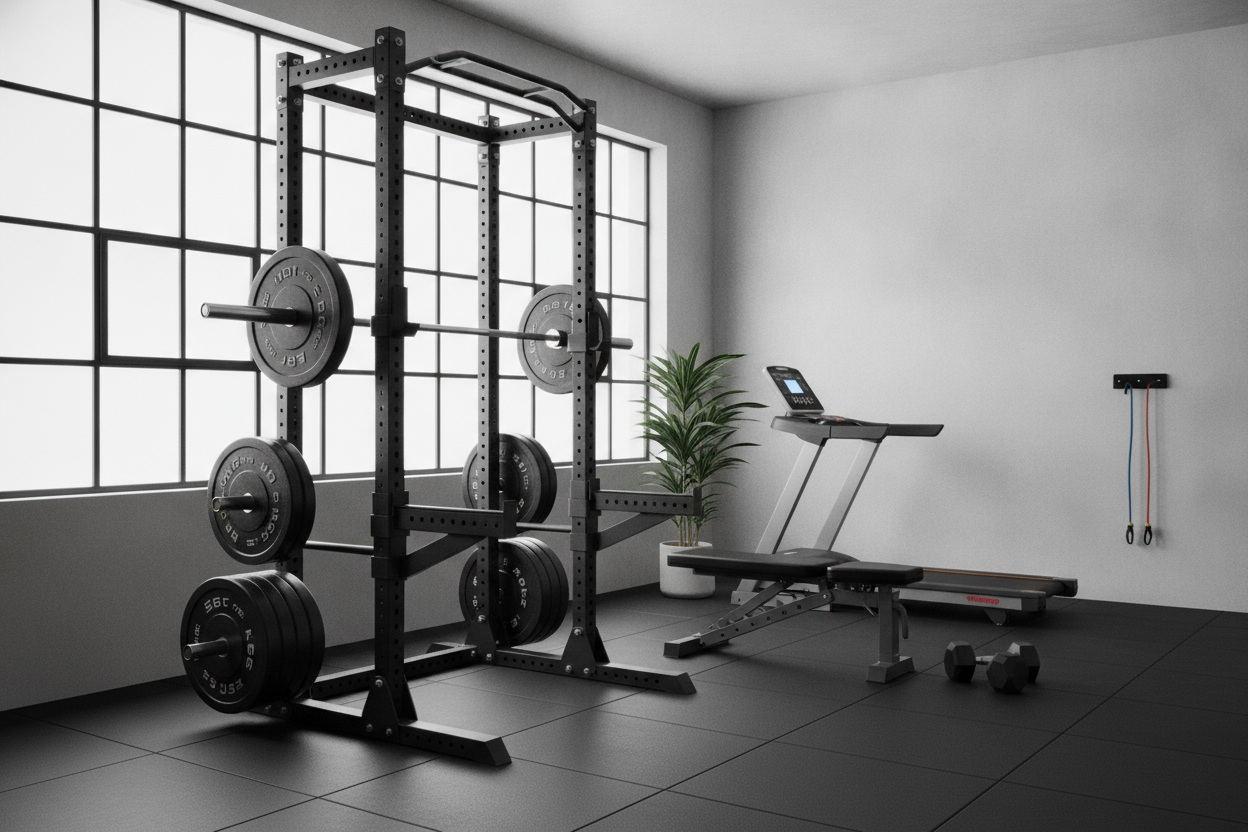
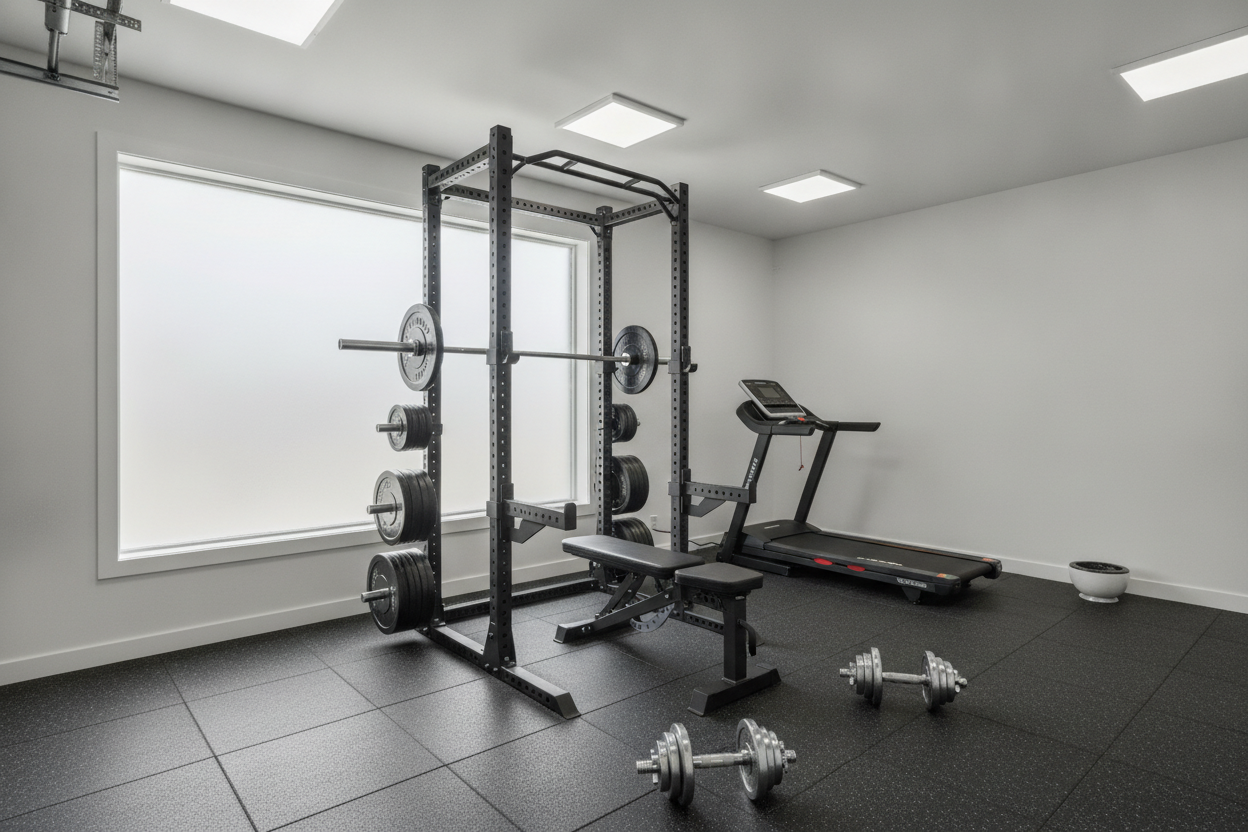
Building a home setup is the dream, but don't buy everything at once. People often get paralyzed by options, but Why Asking What Is Best Home Gym Equipment Is the Wrong Question—you should be asking what you will actually use every day. Start with a solid floor. I’ve seen guys crack their garage slabs because they didn't invest in a 6X8Ft Exercise Mat Yoga Mat Gym Flooring For Home Workout before dropping heavy deadlifts.
Once your floor is protected, prioritize a squat rack and a barbell. You can find great deals on used gear if you know what to look for. I’ve written extensively on Gym Fitness Equipment For Sale What To Know Before Buying to help you avoid getting scammed on the secondary market. Don't buy the cheapest bar you find; a bad bar with poor knurling will ruin your grip and your motivation. Buy once, cry once.
What is the most important piece of equipment for a beginner?
Dumbbells. They are less intimidating than a barbell, teach you how to control weight independently with each arm, and are the most versatile tool for a home or commercial setting.
Are machines safer than free weights?
Not necessarily. While machines have a fixed path, they can sometimes force your joints into awkward positions. Free weights allow your body to move naturally, which is often safer in the long run if your form is correct.
How much space do I need for a home gym?
You can get a world-class workout in a 6x8 foot space. All you need is enough room for a mat, a set of dumbbells, and enough overhead clearance to press weights without hitting the ceiling.