The 'No-Cook' Approach to Meal Preparation for Weight Gain
I remember sitting in my kitchen on a Sunday night, surrounded by twelve plastic containers of dry chicken and steamed broccoli, feeling like I was about to cry. I had spent three hours and nearly a hundred bucks on 'healthy' food, only to realize by Tuesday that the chicken tasted like a yoga mat and I was actually losing weight because I couldn't force it down. Traditional meal preparation for weight gain is often a recipe for failure because it ignores one simple fact: if the food is a chore to eat, you won't eat enough of it.
- Stop cooking complex recipes; prep 'modules' instead.
- Prioritize calorie density over food volume.
- Use liquid calories to bypass the 'full' feeling.
- Fat is your best friend when hitting a surplus.
The Sunday Cooking Marathon is a Bulking Trap
The fitness industry loves to show you photos of perfectly portioned, color-coordinated meals. For a hardgainer, this is a trap. When you try to make seven days of identical, complex dishes, you hit flavor fatigue by Wednesday. Your brain starts to rebel against the same exact taste profile, and suddenly, skipping a meal feels better than eating. That is the death knell for your progress.
Most weight gain food prep fails because it focuses on 'clean' foods that are too filling. If you're eating nothing but chicken breast and sweet potatoes, your stomach will be physically full long before you hit your caloric goals. We need a system that allows for variety and high calorie density without requiring you to live in the kitchen.
Stop Prepping Meals, Start Prepping Calorie Modules
Instead of making 'dishes,' I prep bulk macros. I call these calorie modules. I’ll cook five pounds of ground meat and a massive pot of rice, but I keep them separate. This is the best meal prep for weight gain because it stays flexible. Monday might be beef and rice with hot sauce; Tuesday might be beef tacos; Wednesday might be a beef and rice stir-fry.
This modular approach to meal prep ideas for weight gain means you spend less time cooking and more time eating. You aren't committed to a flavor profile for the whole week. You just grab your base protein, your base carb, and add the fats and sauces that make it palatable that specific day. It’s the only way I’ve found to consistently hit a surplus without burning out.
The 15-Minute Ground Beef Hack I Use Weekly
I don't buy 95% lean beef. It’s dry and low-calorie. I go for 80/20. I throw five pounds into a giant cast iron skillet, brown it all at once, and keep most of the fat in the container. Fat is nine calories per gram, while protein and carbs are only four. If you're struggling to grow, throwing away that fat is like throwing away your gains.
This beef acts as the foundation for my weight gain meal prep plan. Consuming enough dense protein is the only way to recover from a brutal, high-intensity exercise plan to gain weight. I can scoop out 8 ounces of this beef, throw it in a bowl, and have a high-protein meal ready in thirty seconds. No fancy recipes required.
Carb Prepping Without the Tupperware Sadness
Cold, clumpy rice is miserable. To fix this, I use jasmine rice and cook it with bone broth and a stick of grass-fed butter. It stays moist, tastes better, and adds an extra 800 calories to the entire batch without increasing the volume of the food. These are the easy meal prep ideas for weight gain that actually make a difference on the scale.
If you want to gain weight for legs that look like tree trunks, you need an absolute surplus of easily digestible carbohydrates. I also keep a bag of gold potatoes in the pantry. I'll microwave two, smash them with a fork, and add a tablespoon of olive oil. It’s fast, calorie-dense, and much easier to eat than a giant pile of fibrous broccoli.
Liquid Calories: The Ultimate Cheat Code
Sometimes, your jaw is just tired of chewing. That’s where liquid weight gain meal preps come in. I prep 'shake bags' containing dry oats, a scoop of protein powder, and some flax seeds. When it's time to eat, I dump the bag in a blender with whole milk and a massive glob of peanut butter. You can drink 1,000 calories in sixty seconds. It’s the ultimate way to hit your numbers when your appetite is non-existent.
Fueling Your Garage Gym Sessions Properly
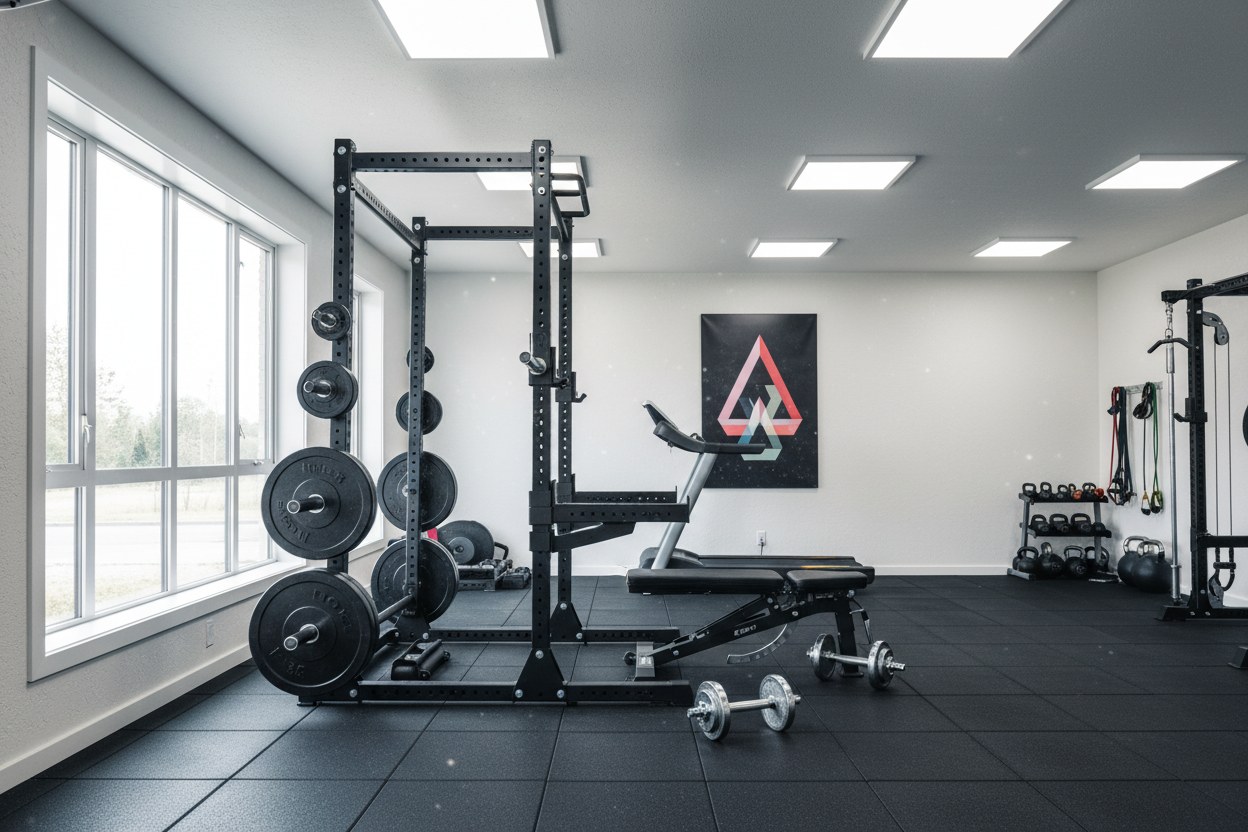
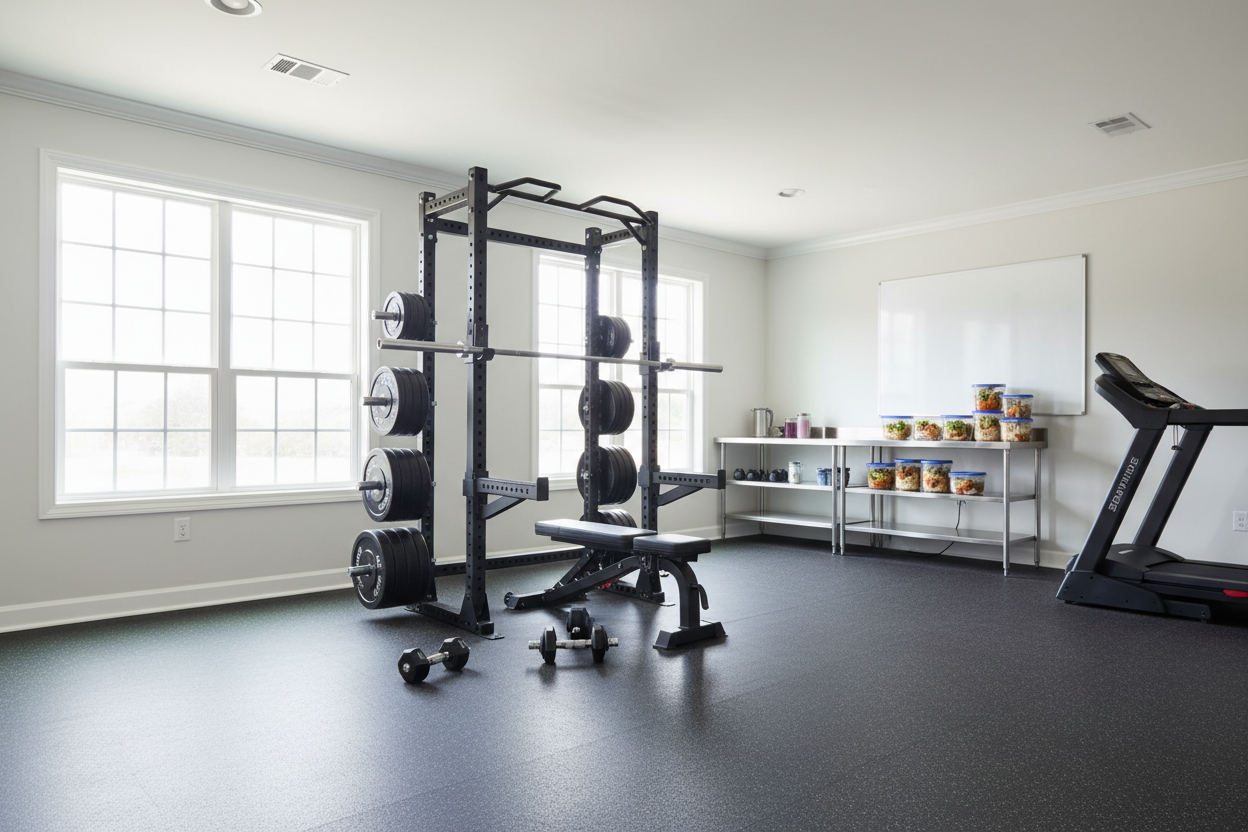
All this meal prep for weight gain and muscle is useless if you aren't giving your body a reason to use those calories. You need to be moving heavy weight. I’m talking about compound movements—squats, deadlifts, and presses. If you're training in a solid power rack weight bench package at home, your body will be screaming for these calories to repair tissue.
I’ve learned the hard way that you can't out-train a bad diet, but you also can't out-eat a lazy training program. The two go hand-in-hand. When your nutrition is modular and easy, you have more energy to focus on the iron. Stop overcomplicating your kitchen time and start focusing on the scale and the barbell.
FAQ
How many calories should I eat to gain weight?
A good starting point is your body weight in pounds multiplied by 16. If the scale doesn't move after two weeks, bump it to 18. Don't guess—track your intake for at least a week to see where you actually stand.
What are the best high-calorie snacks?
Walnuts, macadamia nuts, and full-fat Greek yogurt are my go-tos. They are calorie-dense and don't require any prep. Keep a jar of peanut butter on your desk and take a spoonful between meals.
Should I do cardio while bulking?
Yes, but keep it low-impact. A 20-minute walk helps with digestion and heart health without burning so many calories that it stalls your weight gain. Just don't go running marathons if you're trying to get big.