The Intermediate Shoulder Workout That Broke My Pressing Plateau
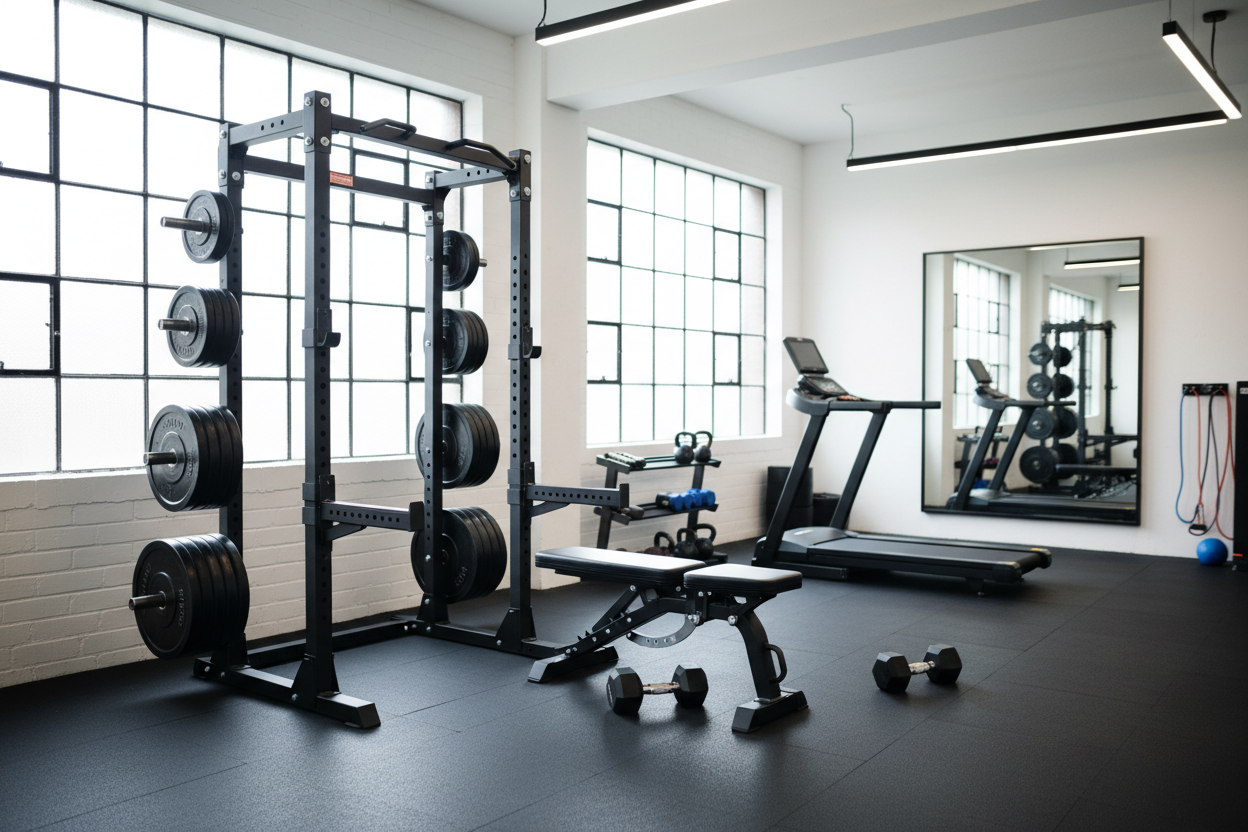
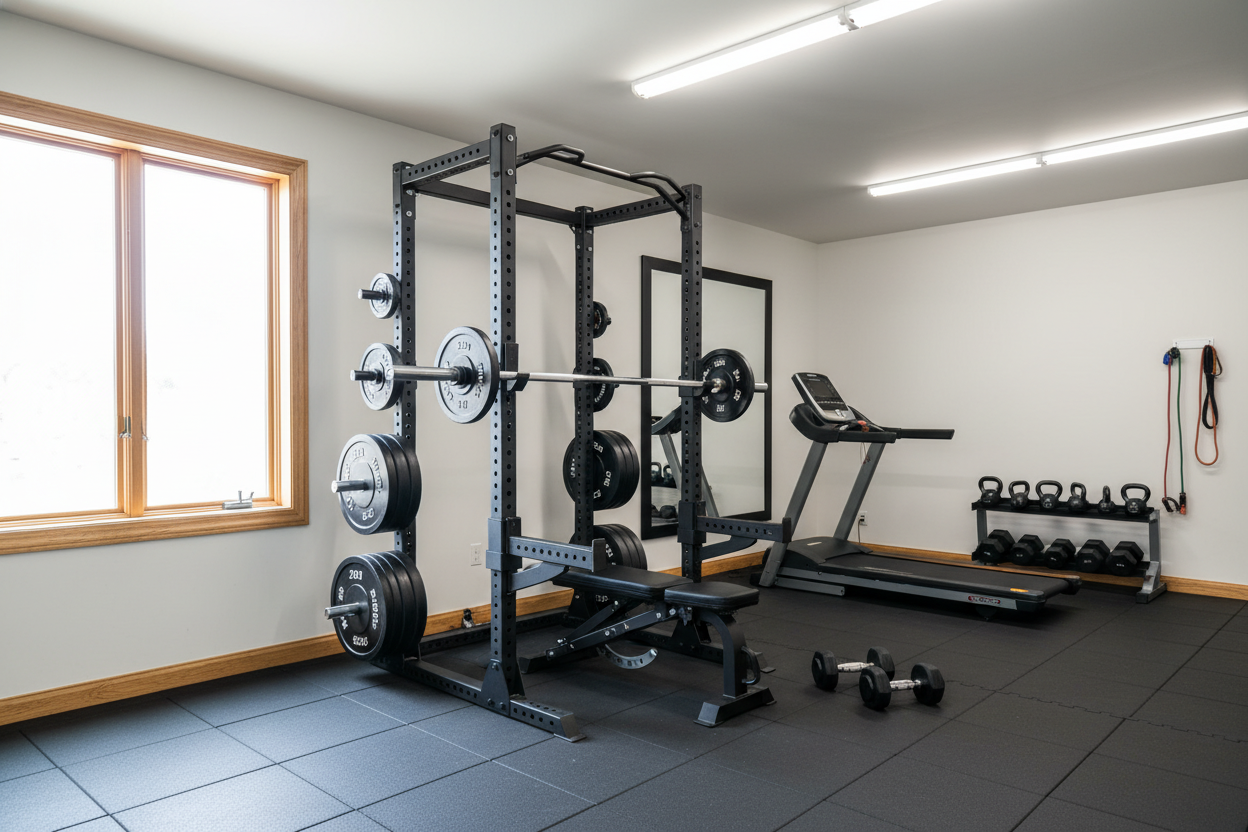
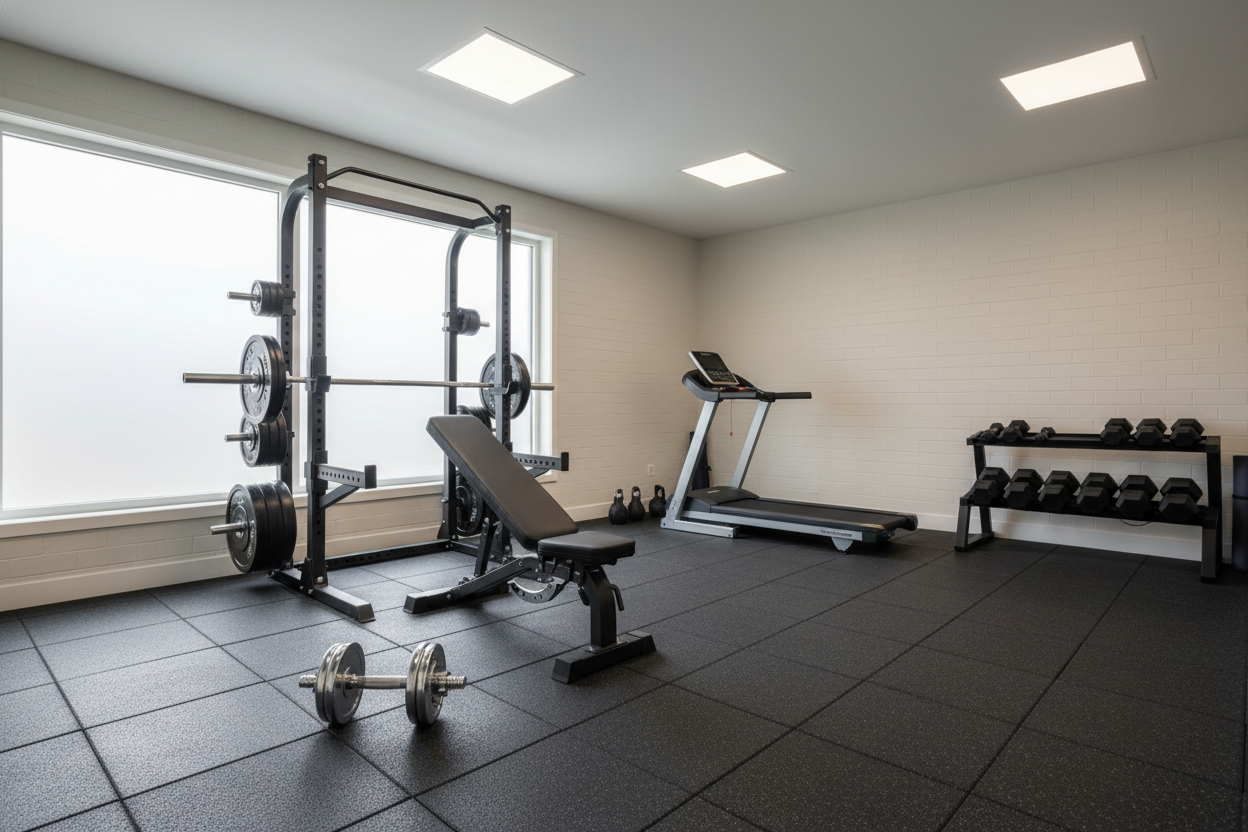
I remember staring at the 45-pound plates in my garage gym, willing them to feel lighter. For a solid year, adding five pounds a week to my overhead press felt like a cheat code. Then, I hit a wall so hard it felt like my rotator cuffs were made of glass. No matter how much caffeine I downed or how loud the music was, that 135-pound bar wouldn't budge for more than three reps.
This is the harsh reality of an intermediate shoulder workout. You reach a point where the 'just add more weight' strategy of your novice days becomes a recipe for injury rather than growth. I spent three months grinding my gears before I realized that my delts didn't need more weight—they needed a completely different stimulus.
- Focus on Volume: Shifting from 5x5 to higher rep ranges (8-12) to spark hypertrophy.
- Target All Heads: Prioritizing the lateral and rear delts, which are often ignored in beginner programs.
- Constant Tension: Using cables and tempo to keep the muscle under load.
- Double Progression: Adding reps before adding weight to ensure joint health.
Why Your Beginner Routine Stopped Working
Linear progression is a honeymoon phase. When you first start lifting, your central nervous system is just learning how to fire. You get stronger because your brain gets better at using the muscle you already have. But eventually, you max out that efficiency. To keep moving the needle, you actually have to build new muscle tissue, and that requires more than just heavy sets of five.
The overhead press is notoriously the first lift to stall. Unlike the deadlift or squat, you're working with a smaller muscle group and a longer range of motion. When you try to force a 5-pound jump every week as an intermediate, you usually end up arching your back and turning the move into a standing incline bench press. That’s not a shoulder workout; that’s an ego trip that ends with a physical therapist.
Transitioning to a shoulder workout for intermediate lifters means moving away from the 'heavy at all costs' mindset. You have to start manipulating volume and intensity. This means more sets, different angles, and shorter rest periods. You're no longer just training a movement; you're training a muscle group.
The Core Mechanics of a Real Intermediate Routine
To build shoulders that actually look like cannonballs, you have to understand that the deltoid has three distinct heads: anterior (front), lateral (side), and posterior (rear). Most beginners have overdeveloped front delts from benching and neglected lateral and rear delts. If you want that '3D' look, you have to stop obsessing over the front and start punishing the sides and back.
At this stage, we shift the focus toward a blend of mechanical tension and metabolic stress. Mechanical tension comes from your heavy compound lifts, while metabolic stress comes from those high-rep, 'burn-out' sets that make you want to quit. By balancing these, you trigger growth through multiple pathways. Understanding The Science Based Workout For Shoulder Mass A Complete Guide can help you visualize how these different heads respond to specific loading patterns.
I also stopped treating rest as a suggestion. In my novice days, I’d sit on the bench for five minutes scrolling through my phone between sets. Now, I keep rest periods to 60-90 seconds for isolation moves. This keeps the blood in the muscle and forces an adaptation that heavy, low-rep sets simply can't provide. It’s about making the light weights feel heavy rather than making the heavy weights feel impossible.
The Exact Protocol I Used to Cap My Delts
This isn't a theoretical lab routine. This is what I actually do in my garage when the temperature is 40 degrees and I only have 45 minutes to get it done. It’s a high-frequency, high-intensity approach that prioritizes the 'cap' of the shoulder. If you want to see how this compares to other high-volume setups, check out the Intermediate Shoulder Workout The Blueprint For 3D Delts for another perspective on exercise rotation.
Movement 1: The Heavy Anchor (Overhead Press Variation)
We still start heavy because strength is the foundation of everything. However, we’re moving the rep range to 4 sets of 6-8 reps. I prefer the standing barbell press, but if your lower back is feeling the miles, seated dumbbell presses are a fantastic alternative. The goal here isn't a 1-rep max; it's controlled, explosive power. I focus on keeping my glutes squeezed tight and my ribs tucked. If I can't hit 6 reps with perfect form, the weight is too heavy. No 'cheating' with the legs allowed.
Movement 2: The Width Builder (Cable or Lean-Away Laterals)
Standard dumbbell lateral raises are fine, but they have a major flaw: there’s zero tension at the bottom of the movement. By switching to cables or performing 'lean-away' raises with a dumbbell, you maintain tension through the entire arc. I aim for 3 sets of 12-15 reps. This is where you build the width that makes your waist look smaller. I like to imagine I'm pushing the weights *out* toward the walls rather than *up* toward the ceiling. It’s a subtle shift that keeps the traps from taking over the movement.
Movement 3: The Posture Fix (Rear Delt Destroyers)
If you're like me and you love to bench, your shoulders are probably pulled forward. You need rear delt work to balance the joint and prevent that 'caveman' posture. I swear by face pulls or heavy chest-supported rear delt swings. We’re going for 3-4 sets of 15-20 reps here. Don't be afraid to go a bit heavier on these than you think you should, provided you're feeling the squeeze in the back of the shoulder and not just your rhomboids. This is the 'insurance policy' for your rotator cuffs.
How to Progress When You Can't Just Add 5lbs
The biggest mistake intermediates make is trying to force weight onto the bar every session. Instead, use 'Double Progression.' Let’s say your target is 3 sets of 8-12 reps. You start with a weight you can do for 8 reps. You stay at that weight until you can do all 3 sets for 12 reps with clean form. Only then do you add 5 pounds and drop back down to 8 reps. It’s slower, but it’s sustainable.
When that stalls, I bring out the intensity techniques. Drop sets are my favorite for the lateral raises. Once you hit failure on your main set, drop the weight by 30% and keep going until you can’t move your arms. It’s miserable, but it forces blood into the muscle and stretches the fascia. Rest-pause sets are another great tool for the overhead press—hit a set, rest 15 seconds, and squeeze out another 2-3 reps. It’s about finding ways to do more work without necessarily needing a bigger barbell.
Fitting This Block Into Your Current Split
You can't just tack this onto the end of a chest day and expect results. Your front delts are already fried from benching. I recommend placing this on its own day or as the primary focus of a 'Push' day in a PPL split. If you're looking for more ways to organize your week, the Workout Hub has several templates that integrate shoulder specialization without overtraining. Just make sure you have at least 48 hours between this workout and your heavy bench press session to allow the joints to recover.
Personal Experience: My Shoulder Ego Trip
A few years ago, I was obsessed with hitting a 225-lb overhead press. I ignored the nagging ache in my left shoulder and kept grinding out ugly, shaky reps. One morning, I reached for a coffee mug and felt a sharp, electric pop. I’d developed a nasty case of shoulder impingement that sidelined me for four months. That was my wake-up call. I stopped chasing the number on the bar and started chasing the tension in the muscle. My shoulders actually got bigger while I was using lighter weights because I was finally hitting the right fibers instead of just using momentum.
FAQ
Can I do this workout every day?
Absolutely not. Your delts are small, but they need recovery just like your legs. Twice a week is the sweet spot for most intermediates, provided you're balancing the volume with your chest and back training.
Should I use a belt for overhead presses?
If you're going for those heavy sets of 6, a belt can help with intra-abdominal pressure. However, don't use it as a crutch for a weak core. If you need a belt to keep from folding in half, you might need to drop the weight and work on your bracing.
What if I only have dumbbells?
You can absolutely run this entire routine with dumbbells. Seated presses, lateral raises, and rear delt flies are all dumbbell staples. You might actually find the increased range of motion leads to better growth than a barbell anyway.