The Hidden Gem of Home Gym Flooring: Workout Mat Lowe’s Guide
Most people assume building a home gym requires a trip to a high-end fitness boutique or an expensive order from a specialty brand. But if you are looking for durability without the 'fitness tax' markup, a workout mat lowes carries might be the smartest investment for your garage or spare room setup.
Hardware stores are often overlooked for fitness gear, yet they specialize in one thing that matters immensely for your joints and your subfloor: heavy-duty material protection. Whether you need to deaden the sound of dropping weights or stop your cardio machine from ruining the hardwood, looking in the flooring aisle rather than the sporting goods aisle is a pro move.
Key Takeaways
- Cost-Efficiency: Lowe's flooring solutions often cost less per square foot than branded fitness mats.
- Variety: Options range from interlocking foam tiles for light cardio to heavy rubber rolls for machinery.
- Dual Purpose: Many mats sold here are industrial-grade 'anti-fatigue' mats, offering superior durability compared to standard yoga mats.
- Availability: Immediate pickup avoids the high shipping costs associated with heavy rubber flooring.
Why Hardware Store Mats Outperform Standard Gym Gear
When you walk into a dedicated sports store, you pay for the brand name stamped on the foam. At a home improvement store, you pay for utility. An exercise mat lowes sells is typically designed for workshops, garages, and playrooms. This means they are engineered to withstand dropped hammers and heavy foot traffic.
This industrial DNA makes them perfect for fitness. If a mat can handle a dropped wrench, it can handle your dumbbells. The density of these mats usually provides better stability for lifting compared to the squishy, overly soft mats found in the yoga section of department stores.
Protecting Your Equipment: The Treadmill Factor
One of the most critical reasons to upgrade your flooring is equipment longevity. If you place a heavy treadmill directly on carpet, dust and fibers get sucked into the motor, leading to burnout. If you put it on concrete, the vibrations can damage the machine's electronics.
Using a heavy-duty lowes treadmill mat (often sold as rubber floor rolls or utility mats) creates a necessary barrier. It absorbs the shock of your foot strike, reducing noise for the rest of the house, and prevents the machine from 'walking' or shifting during an intense sprint interval.
Interlocking Tiles vs. Heavy Rubber Rolls
The Case for Interlocking Tiles
You will see plenty of EVA foam puzzle tiles at Lowe's. These are fantastic for bodyweight exercises, yoga, and light aerobics. They are easy to install, easy to cut to size with a box cutter, and forgiving on the knees during burpees. However, be cautious with heavy racking; heavy squat stands can leave permanent indentations in softer foam.
The Case for Rubber Rolls
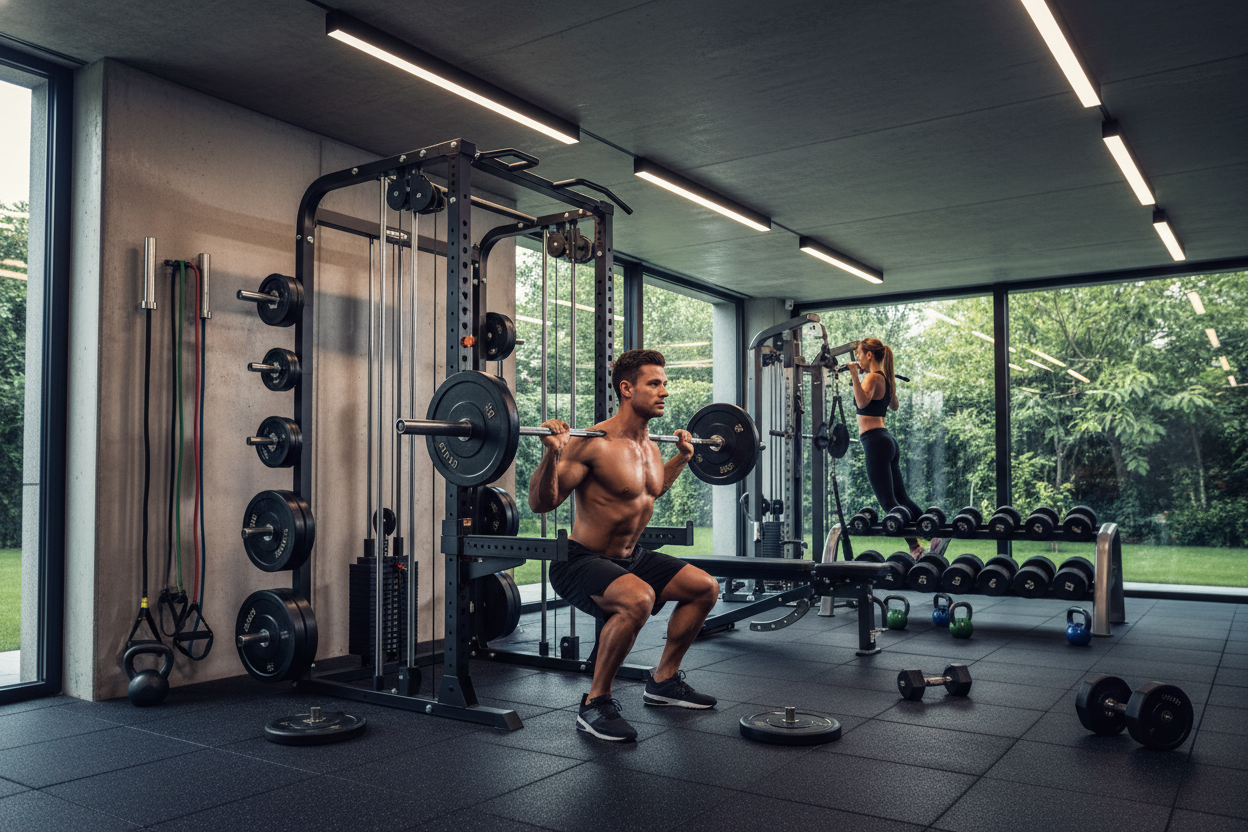
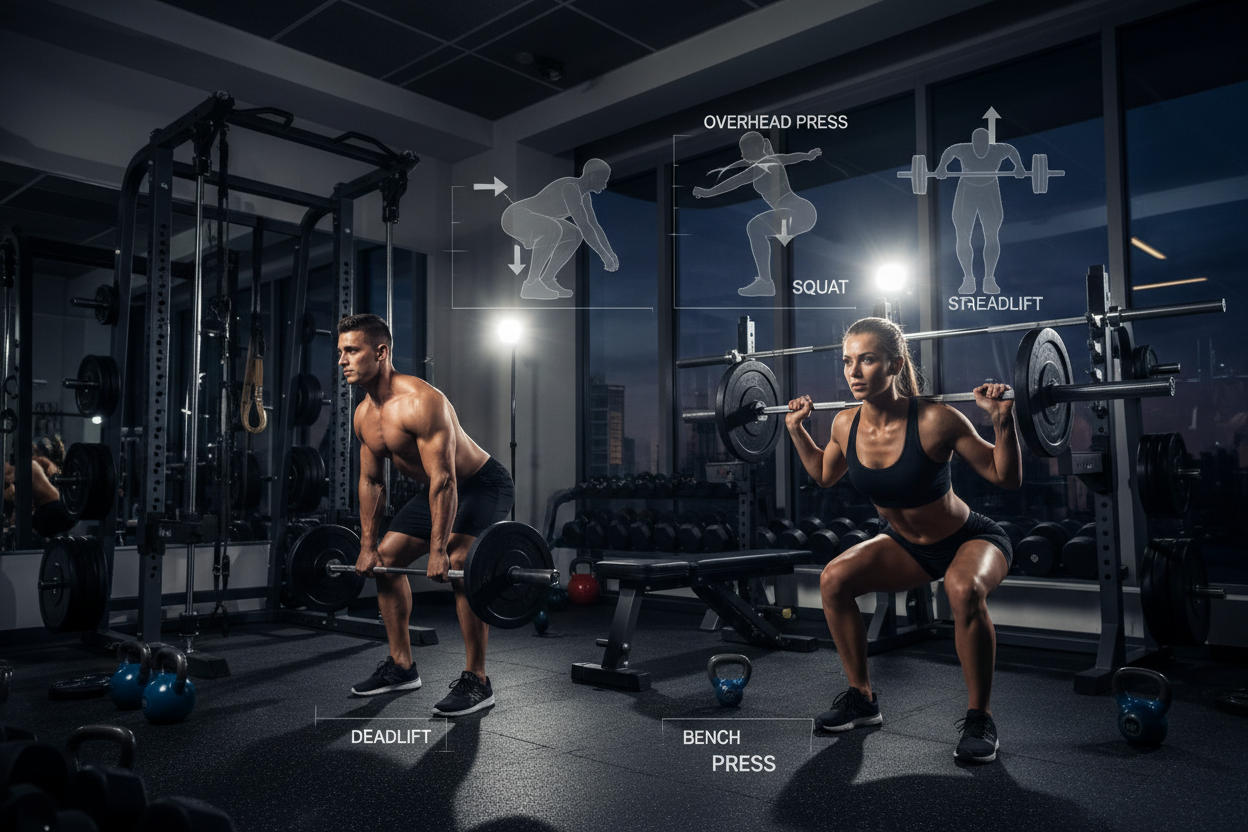
If you are lifting heavy iron, skip the foam and look for dense rubber rolls or recycled rubber mats. These offer less compression. When you squat or deadlift, you want a solid base, not a surface that squishes under your feet. Rubber provides that stability while still protecting the concrete beneath.
My Training Log: Real Talk
I want to share a specific detail about using these hardware store puzzle tiles that product descriptions won't tell you. A few years ago, I outfitted my entire garage gym with the grey interlocking foam mats from Lowe's because they were cheap.
They felt great for static movements. But the first time I did lateral skater jumps, I nearly twisted an ankle. Why? Because the friction of my shoe was stronger than the interlocking 'teeth' of the mat. As I pushed off sideways, the tiles actually separated at the seam, creating a gap that my foot slid into.
If you buy the interlocking tiles for HIIT or plyometrics, do yourself a favor: buy double-sided carpet tape. Tape the perimeter and the seams to the floor. Once I did that, the sliding stopped completely. Also, expect them to off-gas a distinct 'new chemical' smell for about 48 hours—unwrap them in the garage before bringing them into a small bedroom.
Conclusion
You don't need to overcomplicate your gym flooring. A workout mat from Lowe's offers the protection your home and your joints need, usually at a fraction of the price of specialized fitness retailers. Whether you need a simple foam square for sit-ups or a rugged rubber mat for your treadmill, the hardware store is a legitimate contender for your business.
Frequently Asked Questions
Are Lowe's foam mats thick enough for deadlifting?
Standard EVA foam mats are generally too soft for heavy deadlifting. They compress under load, which creates instability. For deadlifting, look for dense rubber mats at Lowe's, or place a piece of plywood over the foam to create a stable platform.
Can I put a treadmill on interlocking foam tiles?
You can, but it is not recommended. The heavy weight of the treadmill's contact points will crush the foam permanently. Additionally, the treadmill may wobble on the soft surface. A solid rubber utility mat is a much safer choice for heavy machinery.
How do I clean these industrial mats?
Since they are designed for garages and workshops, they are very easy to maintain. A simple mixture of warm water and mild dish soap works best. Avoid harsh solvents or bleach, as these can break down the rubber or foam compounds over time.