The Heavy Carry Hack for building shoulders and traps
I remember spending forty minutes every Tuesday doing pinky-up lateral raises with 15-pound dumbbells. My shoulders didn't grow, but my rotator cuffs sure screamed at me. If you're tired of looking like a stick in a t-shirt despite chasing the 'pump,' you're likely missing the most basic rule of building shoulders and traps: heavy, isometric tension.
- Isolation moves are fine for polish, but heavy carries build the foundation.
- Farmer’s walks force the upper traps to stabilize massive loads.
- Overhead carries fix posture and improve overhead press stability.
- You only need a small path in your garage to see results.
Why I Ditched Endless Isolation Exercises
I spent years chasing the burn. I'd do front raises, rear delt flyes, and those weird cable rotations I saw in a magazine. My delts stayed flat. The problem is that small muscles can't handle enough load to trigger systemic growth. I was spending all my energy on 'shaping' muscle I hadn't even built yet.
The turning point was when I actually looked at the guys with the biggest yokes. They weren't doing 4 sets of 15 lateral raises. They were moving heavy stones, carrying sandbags, and deadlifting. I realized that my obsession with lightweight isolation was just a recipe for achy joints and zero progress. Once I swapped the 'burn' for heavy carries, my traps finally started to crawl up toward my ears.
The Flaw in Your Current shoulder and trap workout routine
Most home gym owners follow a shoulder and trap workout routine pulled from a 1990s bodybuilding split. You hit delts on Monday and back on Thursday. This separation is a massive mistake for natural lifters. By isolating these groups, you never allow them to work as a functional unit, which is exactly how they are designed to operate.
You are likely sabotaging your shoulder and workout routine by never letting the 'yoke' work together. When you separate the two, you often end up with postural imbalances—rolled shoulders and a weak upper back. Your traps and delts are meant to stabilize heavy things while you move. If you aren't training them that way, you're leaving gains on the table and inviting injury.
Enter the Heavy Carry (And Why It Actually Works)
Why carries? Because when you hold 100-pound dumbbells in each hand and walk, your traps are screaming for mercy. It's constant, brutal tension. Unlike a shrug where the range of motion is about two inches, a carry forces the entire shoulder girdle to fight gravity for 30 to 60 seconds straight.
I dropped heavy shrugs because they were wrecking my neck without actually building much thickness. When you walk with weight, your scapula has to stay retracted and depressed under a dynamic load. This forces the medial deltoid and the entire trap complex to fire. It builds that 'thick' look that shows through a hoodie, and it does it without the joint shearing forces of heavy static lifts.
3 Carry-and-Press Variations to Try This Week
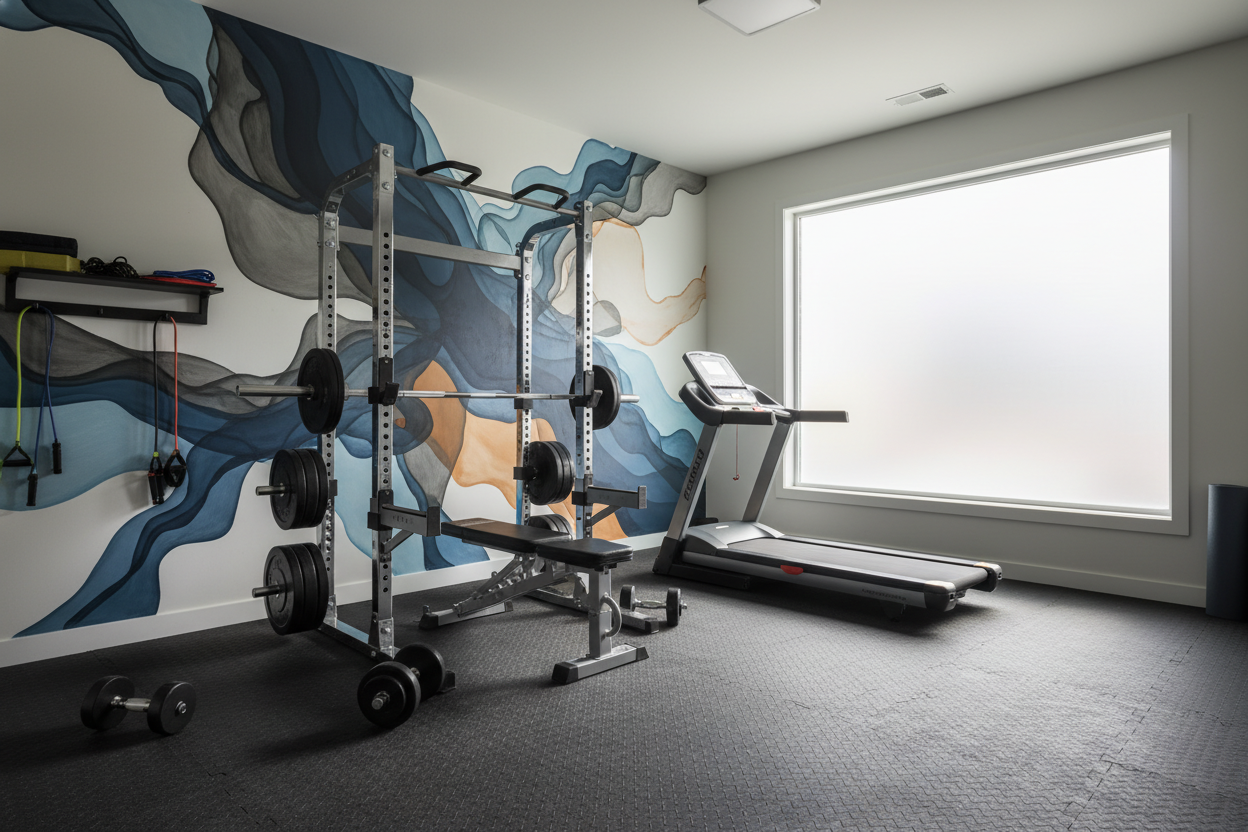
You don't need a commercial gym's worth of machines to do this. Honestly, a reliable weight set and bench is the only hardware required to build a massive upper body. Here are the three variations I rotate through my own training.
- The Farmer's Carry: Grab the heaviest dumbbells you can hold for 30 seconds. Keep your chest up and shoulders back. Walk until your grip fails.
- Single-Arm Waiter's Walk: Hold a kettlebell or dumbbell straight overhead. Keep your bicep near your ear and your core tight. This is the ultimate fix for 'crunchy' shoulders.
- The Carry-to-Press: Walk 20 yards with dumbbells at your sides, clean them to your shoulders, and perform 5 strict presses. Repeat until you can't.
I've found that the single-arm variations are particularly good for identifying weaknesses. If you can carry 80 pounds in your right hand but struggle with 60 in your left, you've found exactly why your overhead press has plateaued.
Setting Up Your Garage Space for Heavy Walks
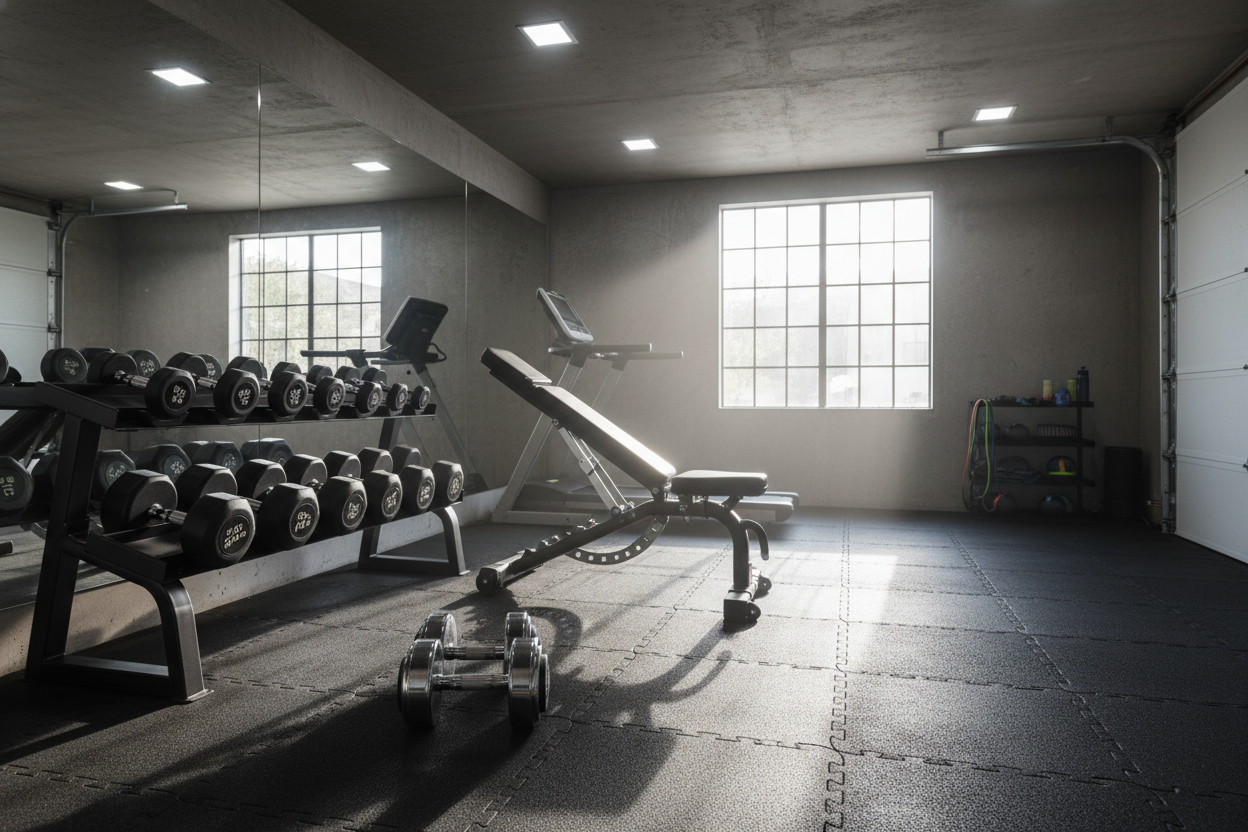
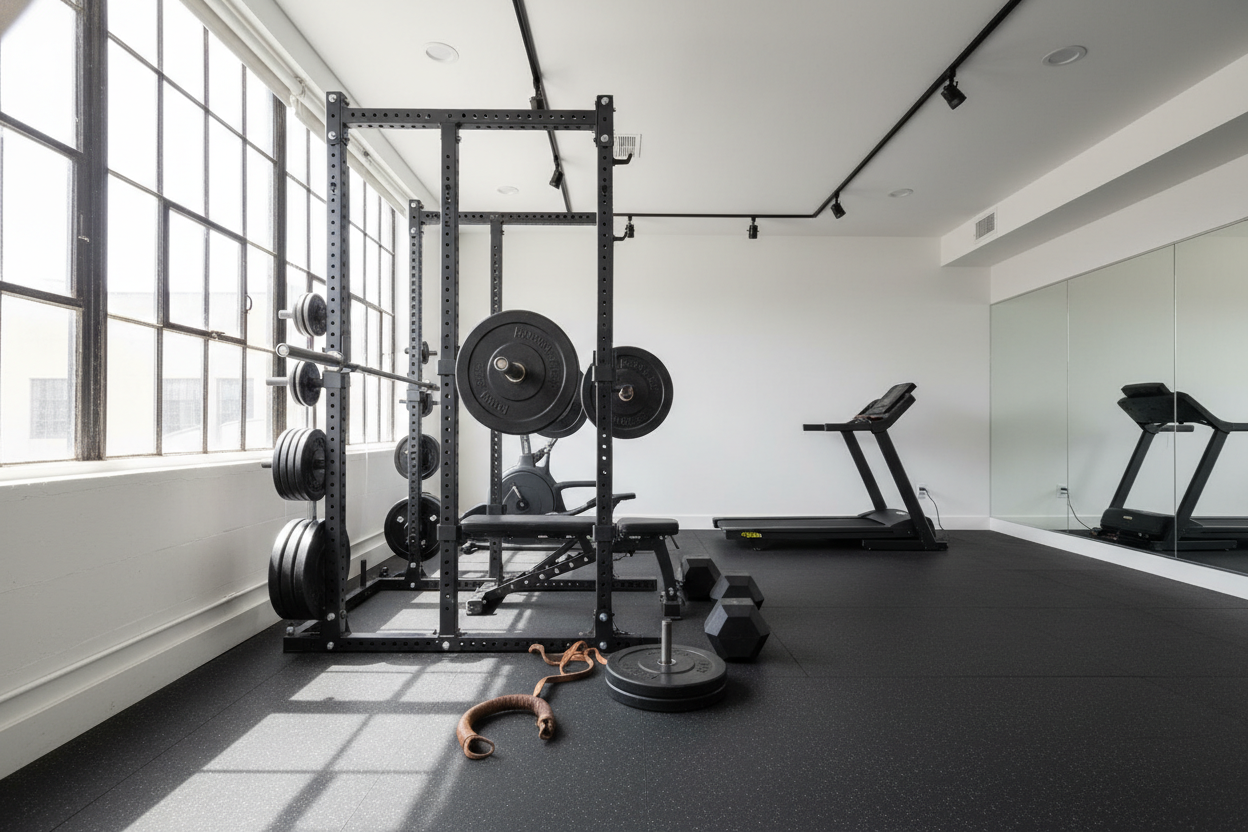
My garage is a 12x20 box, not a pro-strongman facility. You don't need a 40-yard turf strip to do carries. I do 'figure eights' around my power rack or just walk back and forth in 10-foot intervals. It’s not about the distance; it’s about the time under tension.
If you're doing this on concrete, please protect your floor. I once dropped a cast iron 45-pounder on bare concrete during a failed carry, and the crack still haunts my security deposit. Invest in durable gym flooring for home workout to dampen the noise and save your slab. When your grip gives out—and it will—you want to be able to ditch the weight without shaking the whole house.
How heavy should I go for carries?
Heavy enough that you’re questioning your life choices at the 30-second mark. If you can walk for two minutes without stopping, the weight is too light. Aim for a load that forces you to drop it between 30 and 45 seconds.
Can I do these every day?
No. Heavy carries tax your central nervous system (CNS) more than you'd think. Treat them like a heavy deadlift session. Twice a week at the end of your workout is plenty for most people.
Should I use lifting straps?
Only if your goal is 100% trap growth and your grip is the limiting factor. However, I prefer going strapless. Building a crushing grip alongside your shoulders and traps is a massive 'functional' bonus you shouldn't ignore.