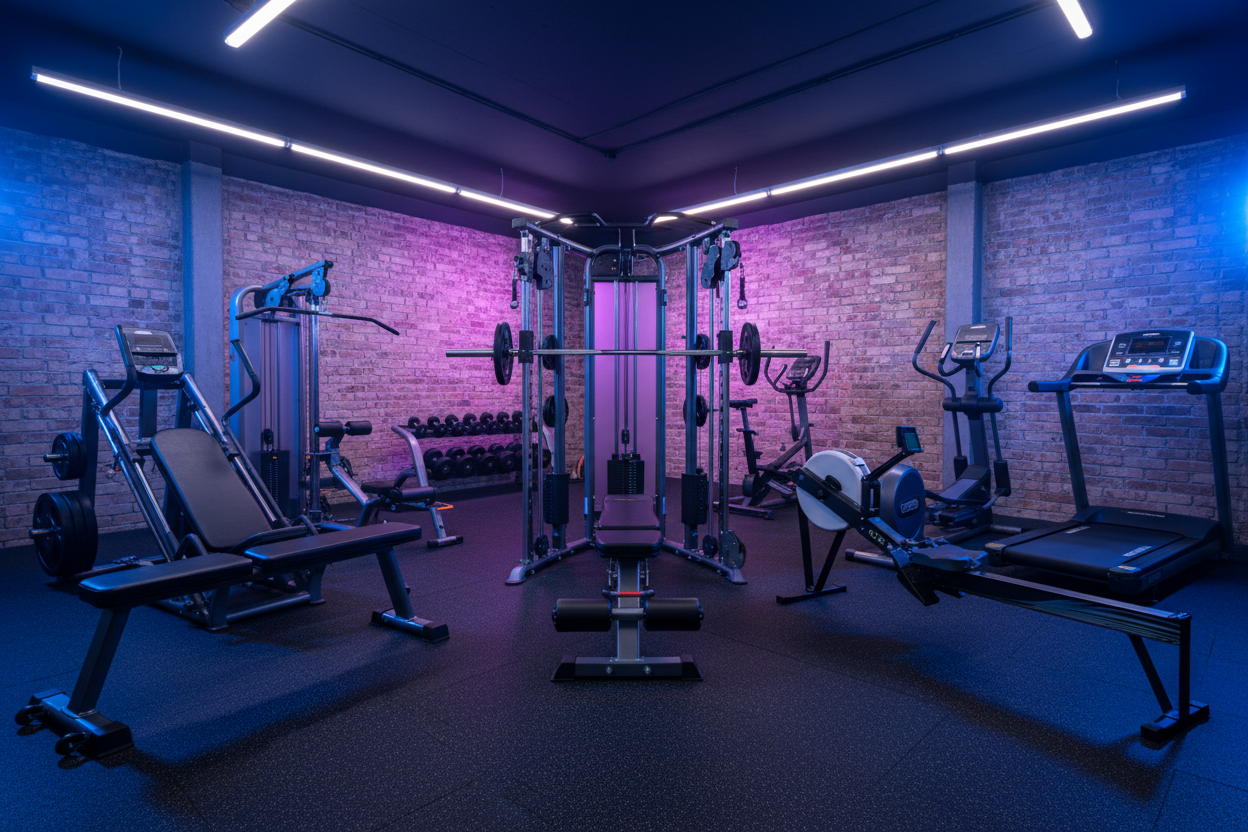
The Hammer Strength Equipment Catalog: Blueprint for Elite Gyms
Walk into any NFL weight room or high-performance athletic center, and you will likely see the same branding on the heavy iron. It isn't a coincidence. When facility managers and serious lifters open the hammer strength equipment catalog, they aren't looking for bells and whistles; they are looking for biomechanical precision.
The market is flooded with knock-offs and 'gym-quality' gear that wobbles under heavy loads. Hammer Strength remains the gold standard because they prioritize how the body actually moves under tension. This guide breaks down what makes their catalog unique and how to navigate it for your facility or garage gym.
Key Takeaways: What Defines the Catalog
- ISO-Lateral Technology: The brand's claim to fame. It allows each limb to move independently, mirroring natural body mechanics and correcting strength imbalances.
- Plate-Loaded Dominance: While they offer selectorized machines, the core of the catalog focuses on leverage-based, plate-loaded equipment that mimics free weight curves.
- Durability Rating: Built with 11-gauge steel frames, this equipment is engineered to withstand 24/7 abuse in commercial settings.
- Motion Technology Selectorized (MTS): A unique section of the catalog offering the biomechanics of plate-loaded gear with the convenience of weight stacks.
The Science Behind the Steel
You don't buy Hammer Strength for the aesthetics, though the rugged look has its appeal. You buy it for the motion paths. The catalog is heavily focused on converging and diverging axes of motion.
Think about a standard bench press. Your hands stay fixed on the bar. However, when you push naturally, your hands want to come together (converge) at the top of the movement to fully shorten the pectoral muscle. The hammer strength catalog highlights machines that facilitate this natural arc. This reduces stress on the rotator cuff while increasing muscle recruitment.
Navigating the Plate-Loaded Series
This is the bread and butter of the brand. When reviewing their offerings, you will notice a focus on 'Ground Base' equipment. These machines require the user to plant their feet firmly on the floor rather than relying on a seat belt or thigh pad alone.
This design forces the user to stabilize their core and transfer power from the ground up, simulating real-world athletic movements better than machines where the user is completely isolated and supported.
The HD Elite Racks and Rigs
Modern functional training requires versatility. The catalog has expanded significantly in recent years to include the HD Elite line. These aren't just squat stands. They are modular ecosystems.
The value here is customization. You can configure these racks with varying pull-up bars, band pegs, and storage solutions. For gym owners, this modularity is crucial because it allows the equipment footprint to evolve as training trends shift.
My Training Log: Real Talk
I want to step away from the specs for a minute and talk about what this gear actually feels like to use. I’ve spent countless hours under the ISO-Lateral High Row, and there is a very specific 'grind' to it that knock-offs can't replicate.
There is a distinct lack of friction when you initiate the pull. On cheaper machines, you often feel a sticky point right at the start, like the pivot point needs grease. With the Hammer Strength gear, even when I have four plates slapped on each side, the movement arm glides instantly.
However, it’s not all comfort. The knurling on the grips is notably aggressive. I remember the first time I ran a heavy back session on their seated row without chalk; by the third set, the diamond pattern was digging into my palms hard enough to leave an imprint that lasted an hour. It’s raw and unforgiving, but that’s exactly why the grip doesn't slip when your hands get sweaty. Also, the thud of the weight horn hitting the rubber stopper has a deadening sound—solid, not rattling. You know you're safe to fail a rep because the frame doesn't shudder.
Conclusion
The Hammer Strength equipment catalog represents more than just a list of products; it is a collection of tools designed for human performance. Whether you are outfitting a university weight room or a hardcore bodybuilding dungeon, understanding the biomechanics behind these machines ensures you get the best ROI.
Don't just fill space. Choose equipment that respects human movement.
Frequently Asked Questions
Is Hammer Strength equipment suitable for home gyms?
Yes, but with caveats. The footprint of ISO-Lateral machines is generally wider than standard home gym gear. Additionally, the price point is high, and the units are heavy (often requiring freight shipping and complex assembly). They are best for garage gyms with ample square footage.
What is the difference between Hammer Strength and Life Fitness?
Both are owned by the same parent company, but the intent differs. Life Fitness focuses on general fitness, cardio, and approachability for the average gym-goer. Hammer Strength targets athletic performance, heavy lifting, and biomechanical precision for serious trainees.
Where can I view the current Hammer Strength catalog?
You can view the digital catalog directly on the Life Fitness website under the Hammer Strength brand tab. Most authorized commercial fitness dealers also provide PDF versions with detailed spec sheets upon request.