The Golden Rule of At-Home Fitness for the Elderly: Fix Your Floor
I remember setting up a small workout corner for my father-in-law a few years back. He was excited to start, but I caught him trying to do standing calf raises on a decorative Persian rug that was sliding across the hardwood like a wet bar of soap. It hit me then: we spend all our time debating which dumbbells are the most ergonomic, but we ignore the very thing that keeps us upright.
When we talk about fitness for the elderly, the conversation usually starts with low-impact movements or light resistance. That’s fine, but it’s putting the cart before the horse. If the foundation is slick or uneven, you aren't training—you're just gambling with a hip injury. Before you buy a single kettlebell, you need to fix your floor.
Quick Takeaways
- Hardwood and tile are too slick for lateral movements or balance work.
- Living room rugs are trip hazards that bunch up underfoot.
- Density is more important than 'squishiness' for joint stability.
- A dedicated 6x4 foot space is the minimum 'safe zone' for most movements.
Why You Should Worry About the Floor Before the Dumbbells
The biggest risk in a fitness for elderly program isn't the weight you're lifting; it's the environment you're lifting it in. Most homes are full of 'hidden' hazards. That polished oak floor looks great, but add a pair of socks or a little bit of sweat, and it becomes a skating rink. I’ve seen more 'near misses' from someone losing their footing during a simple bodyweight squat than from actual equipment failure.
Falls are the leading cause of injury for older adults. If you’re asking someone to close their eyes for a balance drill or step back into a lunge, you cannot have a surface that moves. You need a high-friction, high-density base that stays put even if you're moving fast. It’s about creating a 'predictable' environment where the only variable is the exercise itself.
The Problem With Your Living Room Carpet
Standard household carpet is a trap. It feels soft, so people assume it’s safe, but it’s actually terrible for stability. Thick pile hides uneven spots in the subfloor, and standard area rugs love to bunch up right when you're shifting your weight. Plus, if you’re doing any floor-based stretches, rug burns are a real and annoying reality.
You need a surface that provides a true grip for your shoes. Carpet fibers allow for too much 'shear'—that feeling where your shoe moves but the floor stays still, or vice versa. This is how ankles get rolled. A dedicated rubber or high-density foam surface eliminates that play, giving the brain better feedback about where the body is in space.
What Actually Makes a Floor Safe for Senior Training?
You want high-density material that doesn't 'bottom out' when you step on it. Avoid the cheap, lightweight 'puzzle pieces' you see at big-box stores. They are notorious for pulling apart during movement, and the edges tend to curl up over time, creating a massive trip hazard. You need something heavy enough to stay flat under its own weight without needing messy adhesives.
If you are wondering how to choose the best exercise mat, look for closed-cell foam. It’s denser than the stuff used in cheap yoga mats, meaning it won't compress into a pancake when you stand on it. It’s also easier to clean, which matters because a salty sweat film on a mat can actually make it more slippery over time.
Finding the Sweet Spot for Cushioning
Don't go too soft. A squishy mat feels good on the knees for about thirty seconds, but it’s like trying to balance on a marshmallow. For seniors, stability is king. A mat that is too thick creates a 'wobble board' effect, which is dangerous if balance is already a concern. I generally recommend a 6x4ft yoga mat because it’s dense enough to protect joints during floor work but firm enough to keep your ankles stable during standing drills.
Setting Up the Rest of the Training Space
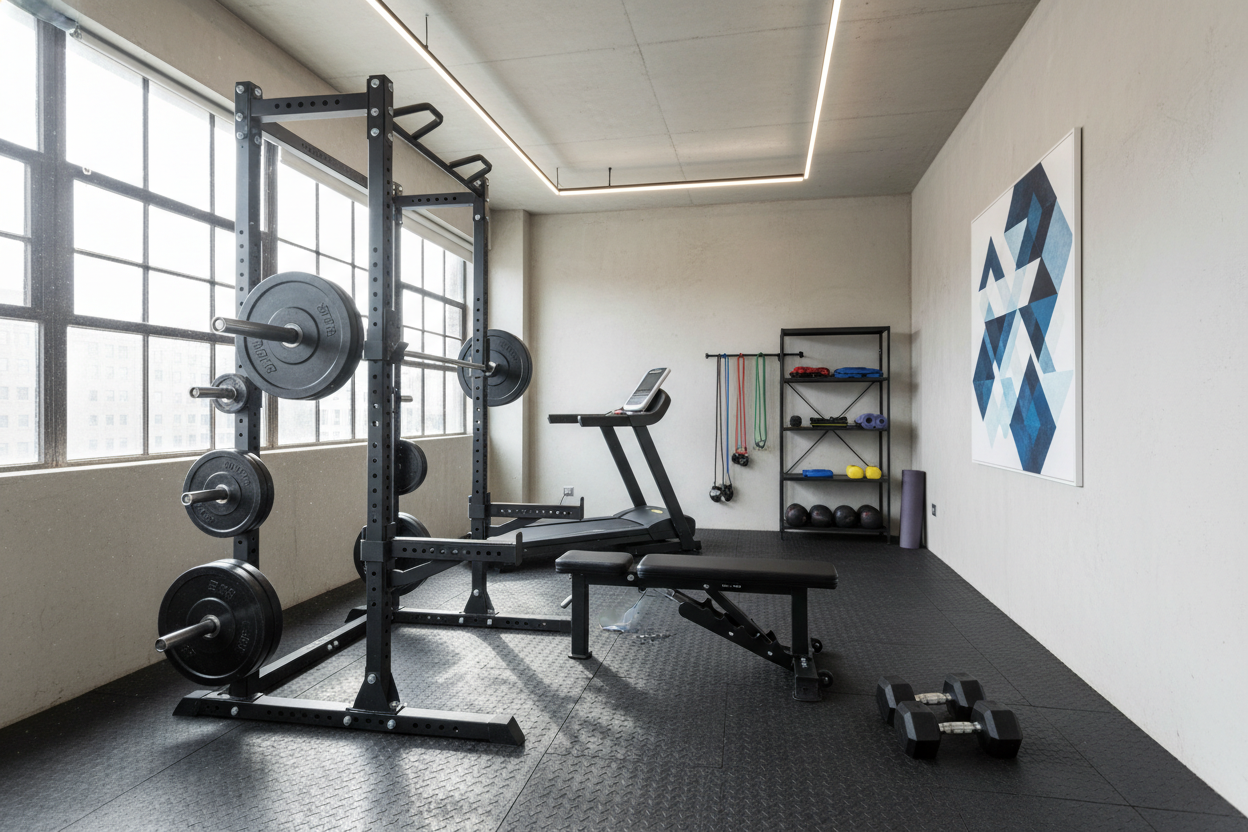
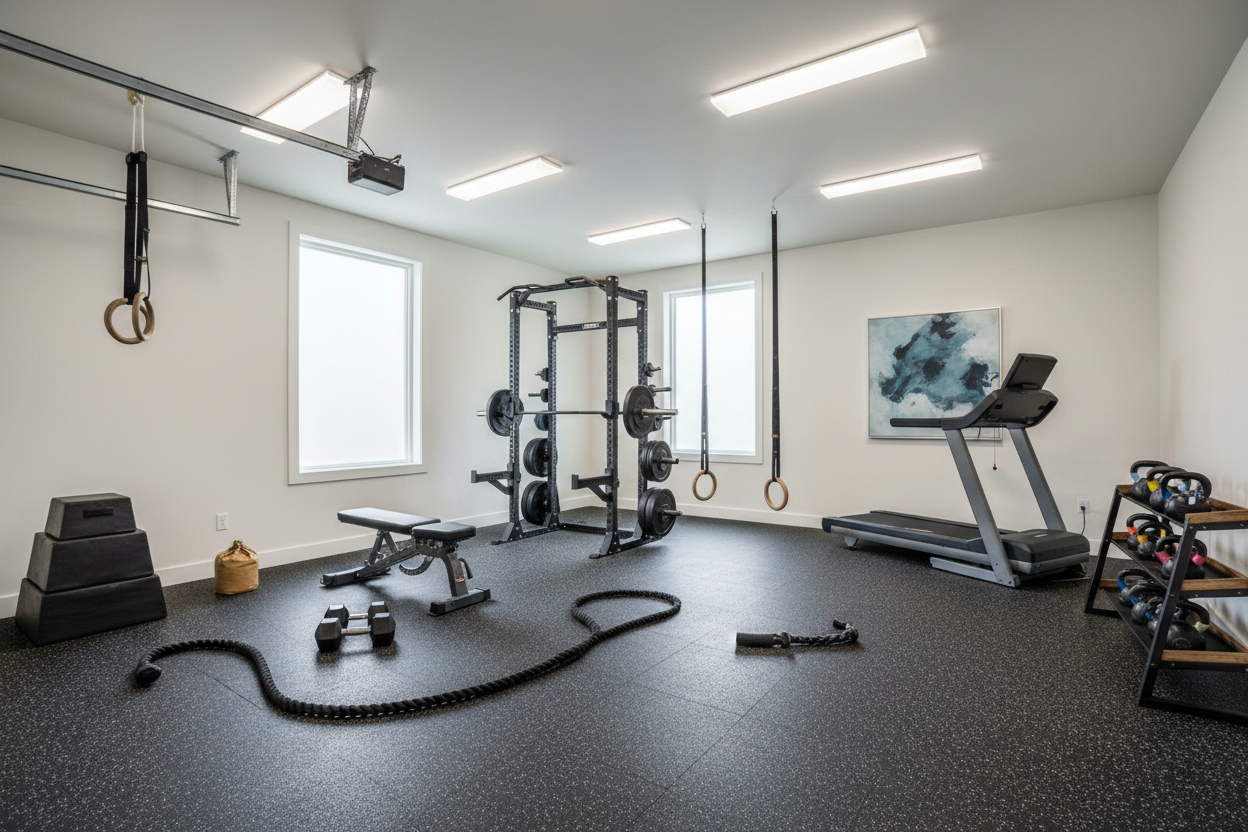
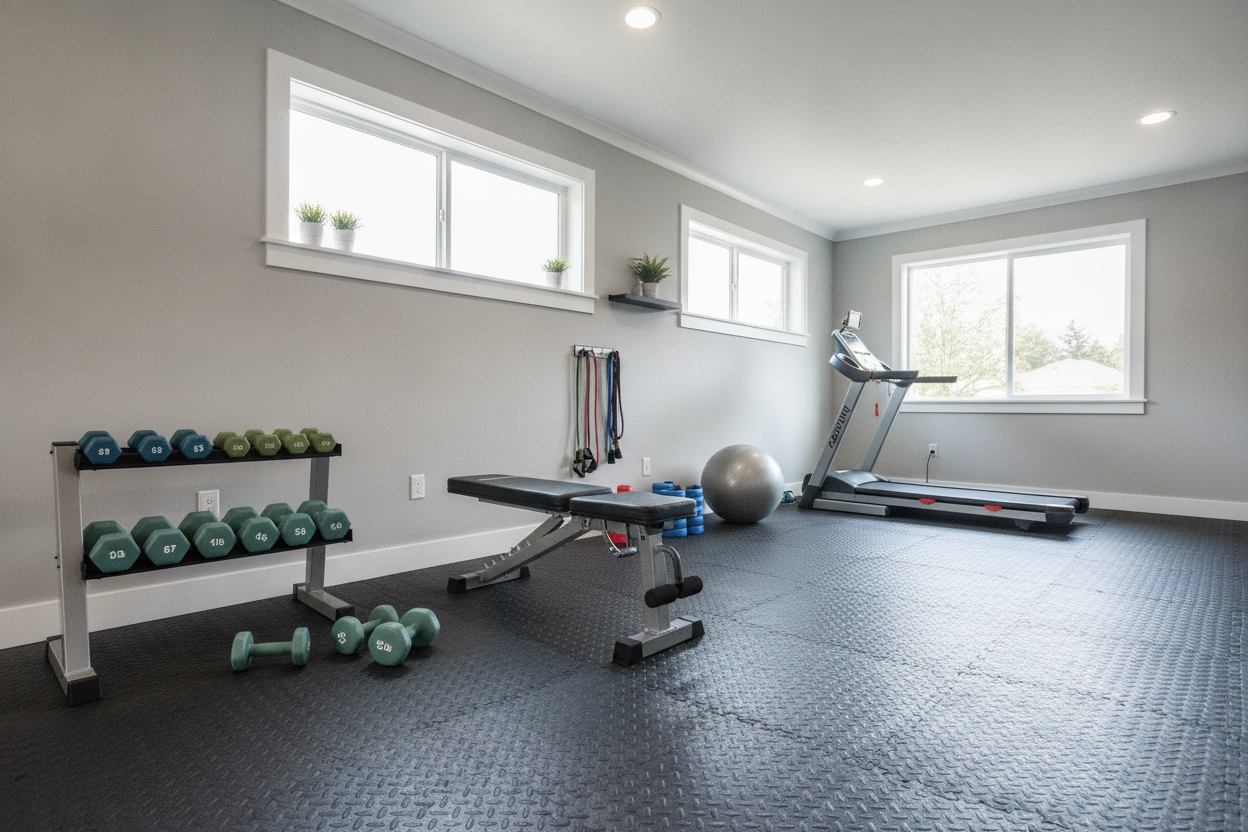
Once the floor is locked down, you can build out the rest of the zone. A sturdy, non-folding chair is a must-have for seated rows or assisted squats. Clear out the clutter—no coffee tables or plant stands within arm's reach. If you have the luxury of space, investing in a large exercise mat for home gym use can turn an entire spare bedroom into a permanent 'safe zone.' This removes the friction of having to roll out a mat every time you want to move.
Stop Tiptoeing Around Once the Room Is Safe
The fear of falling is the single biggest barrier to physical progress in older age. When you know the floor isn't going to slide out from under you, you can finally stop tiptoeing. Most people think fitness for the elderly should be limited to seated stretches, but you're likely playing it too safe if you aren't eventually challenging your strength with real resistance. A solid floor gives you the confidence to pick up a heavier weight and actually build the muscle that prevents falls in the first place.
Personal Experience
I once tried to save money by using cheap interlocking foam tiles in my garage gym. They looked fine for a week, but as soon as the temperature changed, they started 'doming' in the middle. I actually tripped while carrying a 45-lb plate because the seam caught the toe of my shoe. It was a stupid mistake that could have been avoided by buying a single, heavy-duty mat. When it comes to safety, 'good enough' usually isn't.
FAQ
Is regular carpet okay if I wear sneakers?
Not really. The carpet itself can still slide on the subfloor, and the 'squish' of the carpet combined with the 'squish' of the shoe creates a very unstable platform for balance exercises.
How thick should a senior exercise mat be?
Look for 6mm to 8mm. Anything thinner won't protect your knees during floor work; anything thicker than 10mm starts to feel like a mattress and ruins your stability.
Can I leave these mats out all the time?
Yes, and you should. If you have to unroll it every time, you're less likely to use it. A permanent workout station is a visual cue to get your movement in.