The Glute Superset Guide: How to Double Your Gains in Half the Time
If you have been chasing a stronger posterior chain but feel like your progress has stalled, the answer often isn't adding more weight—it's increasing density. A glute superset is the most efficient way to do this. Simply put, this technique involves performing two glute-focused exercises back-to-back with zero rest in between. By eliminating the recovery period between two distinct movements, you increase metabolic stress and muscle fiber recruitment, forcing your glutes to grow even when you aren't hitting a new one-rep max.
Many lifters mistakenly believe that volume requires spending two hours in the gym. That is rarely the case. Supersets for glutes allow you to condense a high volume of work into a shorter timeframe while keeping your heart rate elevated. Whether you are pairing a heavy compound lift with an isolation movement or targeting different areas of the gluteal muscles simultaneously, this method creates the kind of pump and fatigue necessary for hypertrophy.
Why My Leg Days Changed Forever
I distinctly remember hitting a plateau about five years into my lifting journey. I was squatting heavy and deadlifting consistently, but the visual changes in my glutes had completely stopped. I was strong, but I lacked that specific muscle development I wanted. I decided to leave my ego at the door and stop resting for three minutes between every set. I started incorporating a glute bridge superset immediately after my heavy Romanian Deadlifts.
The difference was humbling. I had to drop the weight significantly on the second exercise, but the muscle activation was unlike anything I had felt before. Walking out of the gym became a struggle, the famous "glute pump" was undeniable, and within six weeks, I saw visible changes that heavy singles never gave me. That experience taught me that mechanical tension is king, but metabolic stress is the queen, and you need both for maximum results.
The Anatomy of the Best Glute Supersets
Not all exercises pair well together. If you try to superset heavy back squats with heavy deadlifts, your lower back will give out before your glutes do, and you risk injury. The best glute supersets are strategic. They usually follow an antagonist pattern or a compound-to-isolation structure. The goal is to fatigue the muscle safely without compromising your form on the heavy lifts.
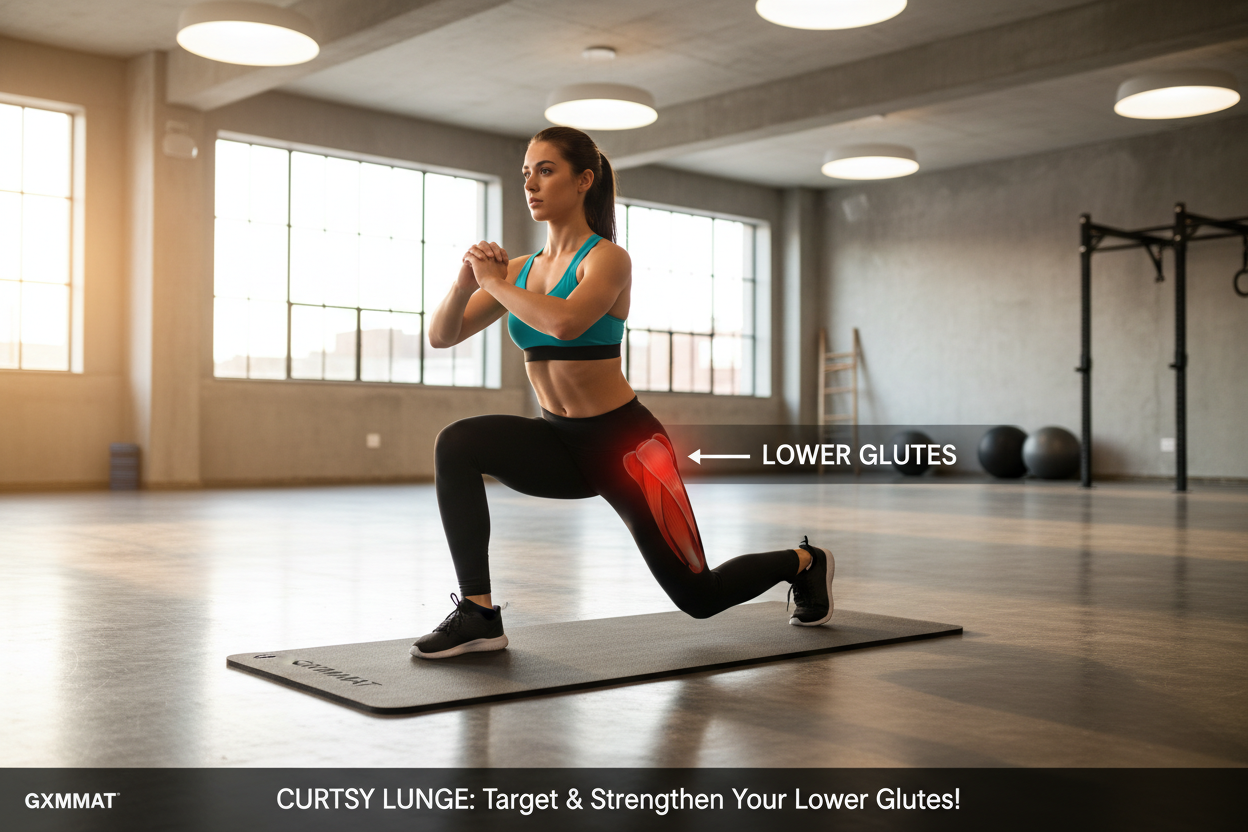
A highly effective strategy is pairing a movement that works the glutes in the lengthened position (stretched) with one that works them in the shortened position (contracted). This ensures you are hitting the muscle fibers through their entire contractile range. For example, a split squat stretches the glute under load, while a hip thrust focuses on the peak contraction at the top.
The Pre-Exhaust Method
This technique involves performing an isolation exercise first to tire out the glutes, followed immediately by a compound movement. This ensures that when you fail on the compound movement, it is because your glutes are done, not because your quads or lower back gave up.
Try starting with high-repetition banded lateral walks or seated abduction machine work. Immediately follow this with a goblet squat or leg press. Your glutes will be screaming before your quads even realize what is happening. This is a staple in any advanced glute superset workout aimed at fixing muscle imbalances.
The Post-Exhaust Method
This is the more traditional route. You perform your heavy, taxing lift first while you are fresh, and then use a lighter, safer exercise to fully deplete the muscle. This is where the glute bridge superset shines. After a set of heavy barbell hip thrusts, drop the bar, lie flat, and immediately perform 20 bodyweight or single-leg glute bridges. Since the movement pattern is similar but the load is removed, you can safely push to absolute failure.
Designing Your Superset Leg and Glute Workout
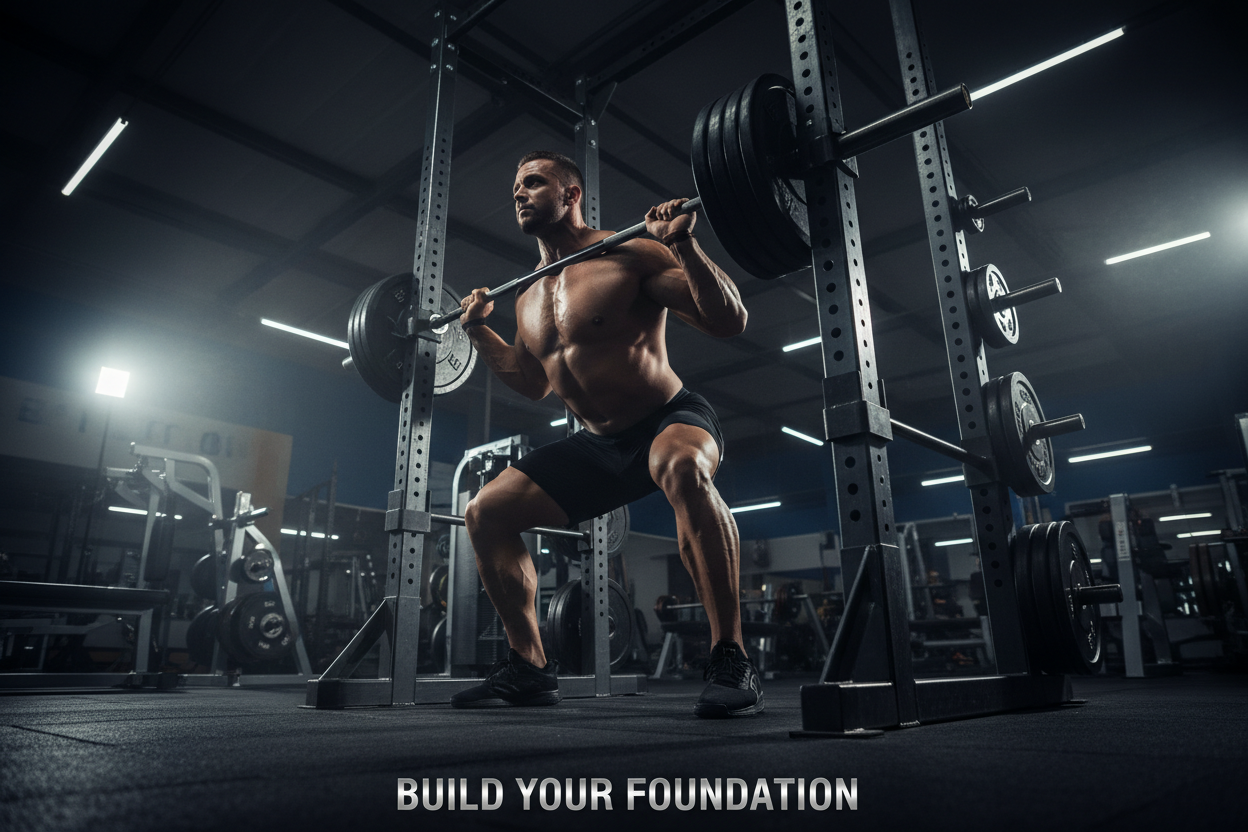
Structuring a full session requires balance. You don't want every single movement to be a superset, or you will burn out the central nervous system too early. A solid superset leg and glute workout typically starts with straight sets of your main lift (like a Squat or Deadlift) to prioritize strength, then moves into supersets for hypertrophy work.
Here is a breakdown of effective pairings you can rotate into your current split:
- Lengthened & Shortened Pair: Dumbbell Romanian Deadlifts (10 reps) + 45-Degree Hyperextensions (15 reps). The RDL loads the stretch, while the extension focuses on the squeeze at the top.
- Unilateral Focus: Bulgarian Split Squats (8 reps per leg) + Single-Leg Glute Bridges (12 reps per leg). This destroys the glute medius and minimus, fixing asymmetries.
- The Burnout: Cable Pull-Throughs (12 reps) + Banded Frog Pumps (20 reps). This is a high-rep finisher usually done at the end of a session.
Common Mistakes to Avoid
The biggest error people make with glute supersets is rushing the reps. Just because you are moving quickly between exercises does not mean the reps themselves should be fast. Time under tension is critical. If you are bouncing out of the bottom of a squat or using momentum to swing a cable kickback, you are removing the tension from the glute and placing it on the joints.
Another issue is failing to adjust weights. You will likely not be able to lift your normal 10-rep max when you are doing a superset glute workout. Expect to drop the weight by 10-20% on the second exercise, or even the first, to accommodate the increased volume. Leave your ego at the door; the goal is muscle fiber stimulation, not impressing the gym floor.
Frequency and Recovery
Because these workouts generate significant metabolic damage (the good kind), recovery becomes paramount. You might find that you cannot train legs as frequently as you did with straight sets. If you implement intense glute supersets, allow at least 48 to 72 hours between leg sessions. Feed the muscle with adequate protein and prioritize sleep. The growth happens outside the gym, not while you are sweating.
FAQ
Can I do glute supersets every workout?
No, you shouldn't do them every single session. Supersets are highly taxing on the body. It is better to include them in one or two workouts per week or use them for 4-6 week blocks to break through plateaus, then return to straight sets to manage fatigue.
Are supersets better for fat loss or muscle gain?
They effectively support both. For muscle gain (hypertrophy), they increase metabolic stress which signals growth. For fat loss, the high intensity and lack of rest keep your heart rate up, increasing total calorie burn during and after the workout.
Do I need equipment for effective glute supersets?
Not necessarily, though weights help. You can have a very effective workout pairing a weighted movement (like a dumbbell goblet squat) with a bodyweight movement (like a single-leg hip thrust). Even bodyweight-only pairings can induce growth if the reps are high enough and the rest is minimal.