The Full Body Bodybuilding Trap That Kept My Legs Small
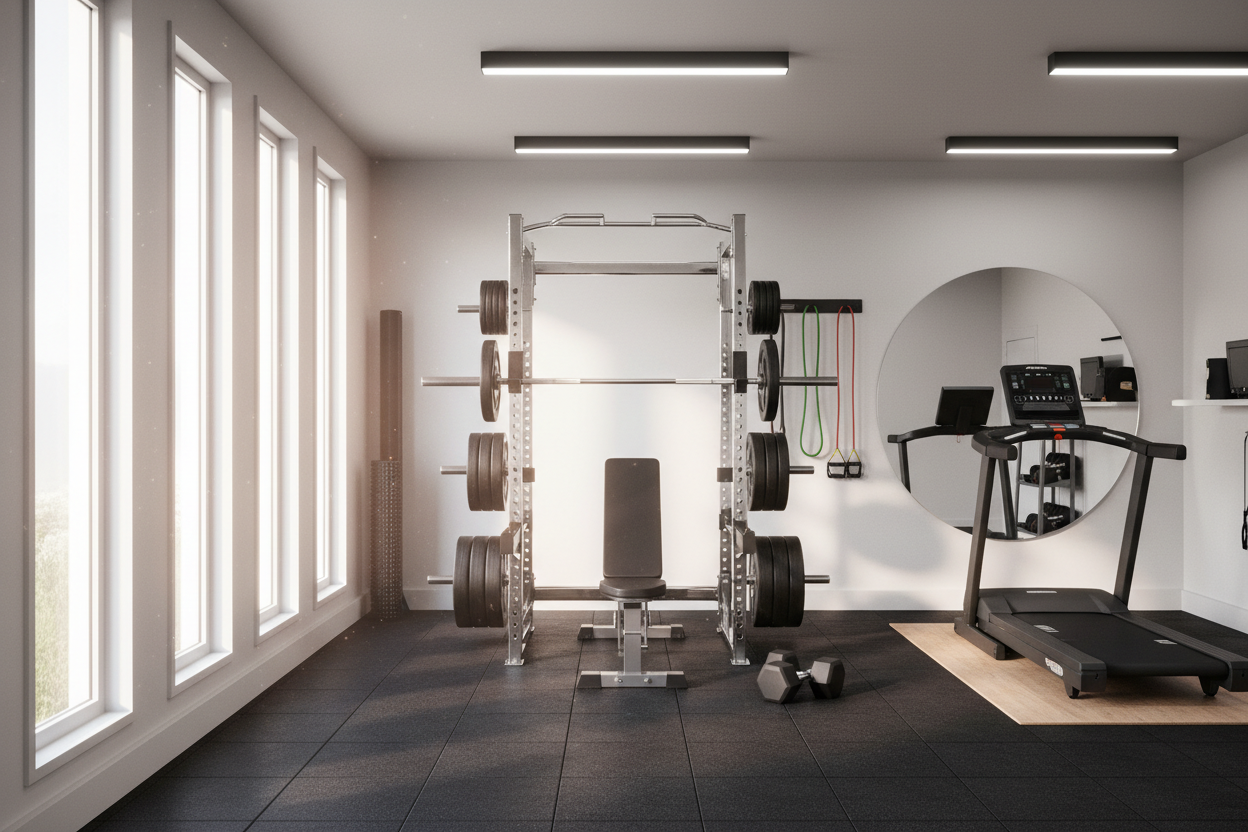
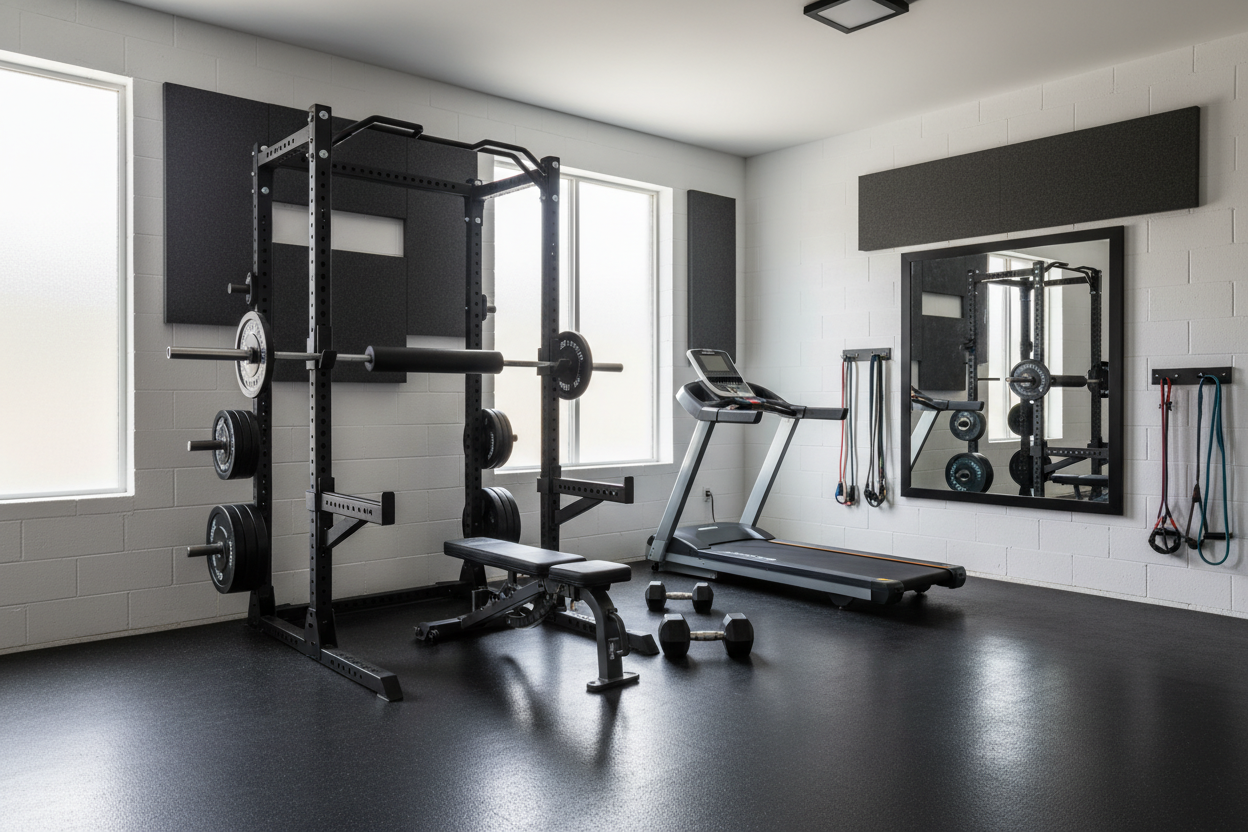
I spent three years following a 'perfect' full-body program I found on a forum. Three days a week, I’d hit the garage, load up the bar, and grind through a checklist of movements. My bench press climbed, my shoulders filled out, and I felt like a machine—until I looked in the mirror and realized my legs still looked like they belonged to a distance runner. This is the quiet trap of body bodybuilding when you prioritize frequency over actual stimulus.
- Systemic fatigue often masks local muscle failure, especially in the legs.
- Big upper body lifts drain the central nervous system (CNS) before you ever reach the squat rack.
- Isolation machines are essential for pushing quads to the limit without spinal fatigue.
- Prioritizing weak points at the start of a session is the only way to fix lagging proportions.
Why Your Quads Are Paying the Price for Your Bench Press
The math of a full-body session usually looks great on paper, but the biology is a mess. If you start your workout with heavy weighted pull-ups and a 5x5 bench press, you aren't just 'warming up' for legs. You are actively draining the battery of your central nervous system. By the time you get to the lower body portion of your bodybuilding body routine, your brain is sending weaker signals to your muscles.
I’ve sat on my weight bench, staring at a loaded barbell for squats, feeling like my head was filled with static. My legs weren't tired yet, but my 'system' was cooked. When you train legs at the end of a full-body session, you rarely hit true muscular failure. Instead, you hit systemic exhaustion. You stop the set because your heart rate is redlined and your focus is gone, not because your quads couldn't handle one more rep. That is a recipe for plateauing.
The Biological Cost of a True Bodybuilding Body
Chasing bodybuilding bodies isn't the same as training for a powerlifting total or general 'fitness.' It requires a level of precision that a standard top-down checklist can't provide. If you want legs that actually fill out a pair of jeans, you have to respect the recovery demands of the lower body. The legs are home to the largest muscles in the body; they require massive amounts of blood flow and neural drive to grow.
Understanding leg anatomy bodybuilding the science of bigger lower body gains is the first step in realizing why your current approach might be failing. You can't expect the vastus lateralis or the hamstrings to grow on the leftovers of your energy. Elite physique athletes don't just 'do legs'; they prioritize them when they are freshest. If your legs are a weak point, they shouldn't be the third or fourth item on your daily to-do list.
Swapping Barbell Dread for Machine Efficiency
There is a weird stigma in garage gym circles that if you aren't using a barbell, you aren't working. That’s nonsense for hypertrophy. When your lower back is already fried from rows or deadlifts, trying to balance a heavy bar for squats is just asking for a disc issue. This is where a dedicated lower body strength machine—like a leg press or a hack squat—becomes a literal growth-saver. It removes the need for stability, allowing you to hammer your quads into the floor safely.
I’ve seen too many guys stop sabotaging gains the truth about lower body exercises bodybuilding by trying to ego-lift heavy free weights when their form is already breaking down from fatigue. If you can't keep your spine neutral because your core is tired from overhead presses, get off the rack. Use a machine or a split squat variation that lets you focus entirely on the muscle contraction rather than trying not to fall over. Your legs don't know if you're holding a bar or pushing a sled; they only know tension.
Floor-Based Finishers for Stubborn Hamstrings
Using bodybuilding for fitness doesn't always require a $5,000 rack setup. Some of the most brutal hamstring growth I’ve ever experienced came from simple floor-based movements. However, you need the right setup. Trying to do sliding leg curls or Nordic drops on a dusty concrete floor is a great way to peel the skin off your knees and call it a day early.
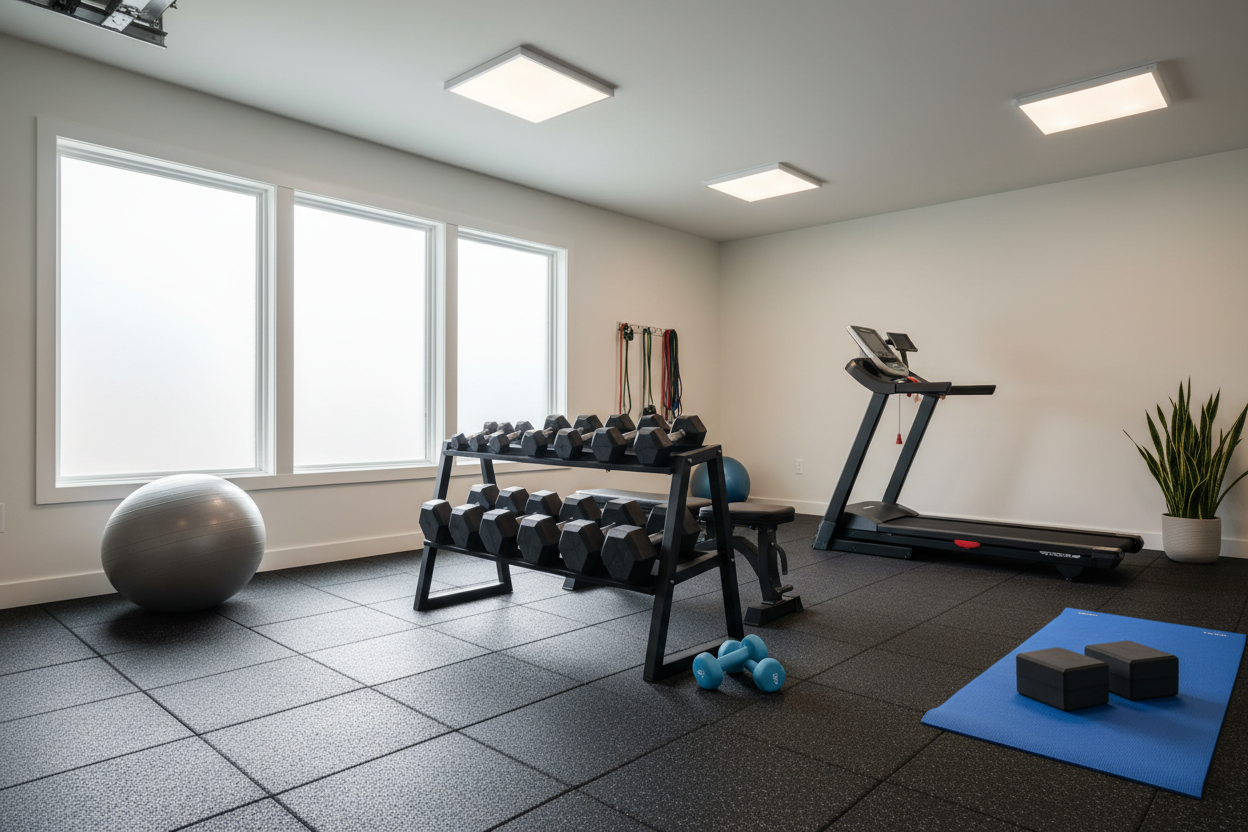
I recommend a high-density 6x8ft exercise mat yoga mat gym flooring for home workout to give yourself enough real estate to move. With a solid, high-grip surface, you can perform bodyweight sissy squats or eccentric-focused ham curls that produce massive amounts of metabolic stress. These finishers are perfect for the end of a session because they don't load the spine, but they do ensure that every last fiber of the leg has been stimulated before you head to the kitchen.
Flipping the Script: How to Fix Your Split
If you aren't ready to give up your full-body routine, you need to invert it. Start your Monday with legs. Put the heavy squats or leg presses first while your glycogen stores are topped off and your mind is sharp. You’ll find that your bench press might suffer a 5% drop, but your leg volume will skyrocket. For a true bodybuilding body, that is a trade you should make every single time.
Alternatively, move to a specialized split. Give your legs their own day where they don't have to compete with your chest or back for resources. I spent years thinking I was 'tough' for doing everything at once. I wasn't tough; I was just inefficient. The moment I gave my legs their own dedicated window of high-intensity focus, they finally started to match my upper body.
FAQ
Can I still get big legs with a full-body routine?
Yes, but you have to rotate your priorities. If you do full-body three times a week, make at least two of those days start with heavy leg movements. You can't leave them for the end every time and expect growth.
Are machines better than free weights for bodybuilding?
They aren't 'better' in a vacuum, but they are often better for hypertrophy when you are fatigued. They allow you to reach muscular failure without the risk of form breakdown that comes with free weights.
How do I know if I'm hitting systemic fatigue?
If your heart is pounding and you feel lightheaded, but your target muscles don't actually feel 'pumped' or exhausted, you’re hitting systemic fatigue. It means your body is quitting before your muscles have been properly stimulated.