The Definitive Guide to the Biggest Fitness Equipment Companies
When you walk onto the gym floor, you aren't just looking at metal and cables; you are looking at decades of biomechanical engineering and supply chain dominance. Understanding the landscape of the biggest fitness equipment companies isn't just for stock investors or gym owners—it is crucial for anyone building a serious home setup or trying to understand why one leg press feels smooth while another feels like a car crash.
The market is flooded with generic imports, but the true titans of the industry distinguish themselves through biomechanics, durability, and after-market service. Whether you are looking for smart tech integration or raw iron, knowing who actually builds the gear changes how you invest your money.
Key Takeaways: Market Leaders Snapshot
- Commercial Dominance: Brands like Life Fitness and Technogym rule the high-end club space due to superior biomechanics and longevity.
- Home Innovation: Peloton and iFIT (NordicTrack) lead the connected fitness sector, focusing on software-hardware integration.
- Strength Specialists: Rogue Fitness and Eleiko are the premier gym weights manufacturer choices for powerlifting and Olympic lifting.
- Supply Chain Reality: Many generic brands share the same factories; the difference lies in quality control and engineering specs.
The Titans of the Commercial Floor
If you have ever stepped into a Gold’s Gym or an Equinox, you have used equipment from the legacy giants. These fitness machine manufacturers focus on one thing above all else: abuse tolerance. A commercial treadmill needs to run for 16 hours a day without the motor burning out.
Life Fitness and Hammer Strength
Life Fitness is arguably the most recognizable name in the industry. Their acquisition of Hammer Strength decades ago cemented their status. While Life Fitness handles the cardio and selectorized machines, Hammer Strength is the gold standard for plate-loaded ISO-lateral machines. The science here is the arc of motion; these machines mimic natural muscle mechanics better than almost any competitor.
Technogym
Based in Italy, Technogym brings a design-forward aesthetic to function. They are often the chosen gym equipment providers for the Olympics. Their differentiator is the integration of digital wellness tracking directly into the hardware. They don't just build a machine; they build an ecosystem that tracks your wattage and rep tempo.
The Smart Home Revolution
The line between commercial and consumer gear blurred rapidly over the last five years. The biggest shift wasn't in the steel, but in the screen.
Peloton and iFIT
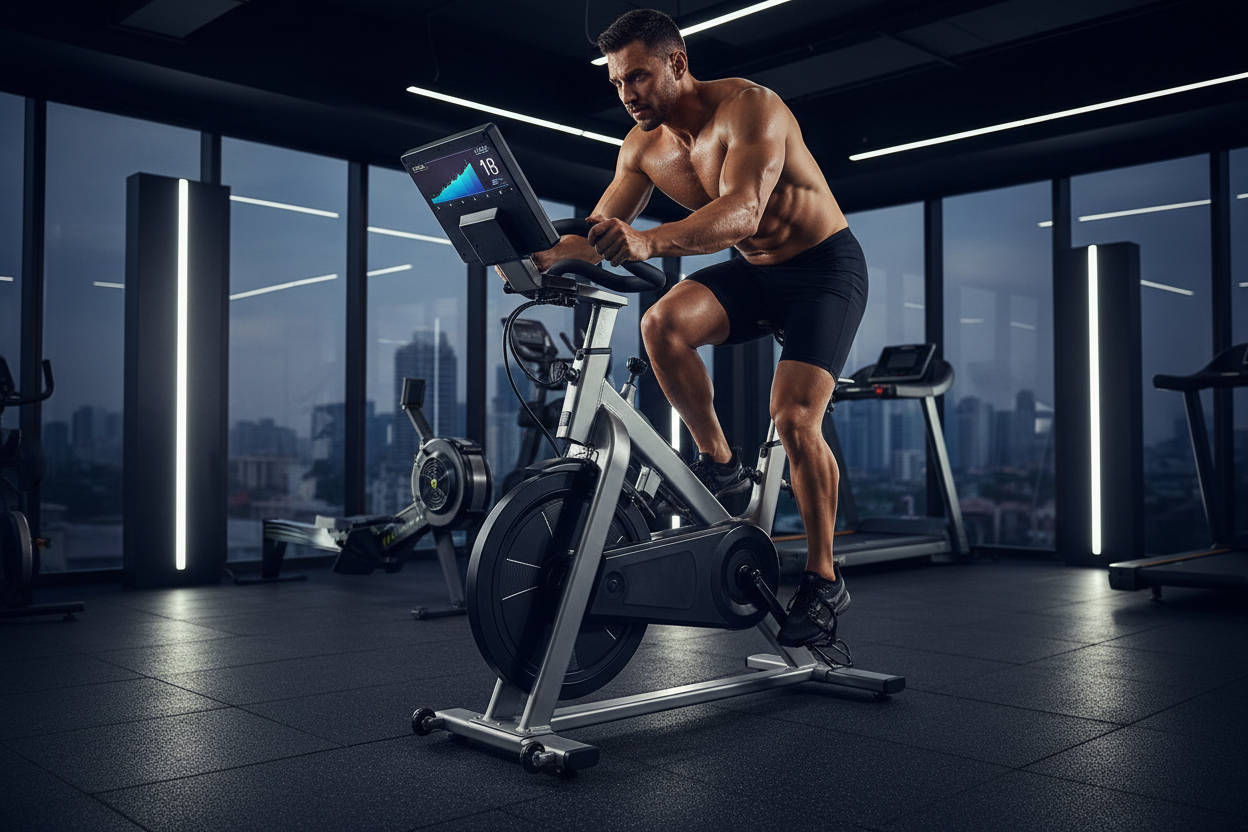
While their stock prices fluctuate, their impact on manufacturing is undeniable. These companies forced traditional exercise manufacturers to rethink user engagement. The manufacturing challenge here is proprietary software integration. The bike or treadmill is merely a vehicle for the subscription content. If you are buying in this category, you are paying for the community and the instructor, not just the flywheel.
Heavy Metal: The Strength Specialists
When it comes to barbells and plates, the requirements change. You don't need screens; you need tensile strength and calibration accuracy.
Rogue Fitness
Rogue is an anomaly. They manufacture a massive amount of their gear in Columbus, Ohio, rather than outsourcing everything overseas. They are the leading gym weights manufacturer for the CrossFit ecosystem. Their dominance comes from logistics—they can ship a full garage gym faster than almost anyone else.
Eleiko
If Rogue is the workhorse, Eleiko is the Ferrari. Based in Sweden, their bars are used in World Championships. The manufacturing secret is their proprietary Swedish steel blend, which offers a "whip" (elasticity) that is consistent and predictable. This isn't just metal; it's precision engineering.
My Training Log: Real Talk
I want to step away from the corporate specs for a second and talk about what this actually feels like in the hands. I've trained on generic "commercial" bars and I've trained on competition-spec Eleiko bars. The difference is jarring.
I remember a specific heavy deadlift session last winter. I was using a generic bar at a hotel gym. The knurling (the crosshatch grip pattern) was like a cheese grater—it was sharp, but it was cheap. It tore at my calluses rather than gripping them. The next week, I was back on an Eleiko bar. The difference in the knurling is hard to explain until you feel it, but it’s "sticky" without being sharp. It bites into the hand enough to hold 500lbs without chalk, but it doesn't shred the skin.
Furthermore, when I dropped the generic bar, it rattled. It sounded loose. When you drop high-end gear from the top manufacturers, it lands with a solid, dull thud. That sound is the sound of tight tolerances and quality bushings. That is what you are paying for.
Conclusion
Choosing between the biggest fitness equipment companies comes down to your specific goals. If you need cardio that lasts a decade, look at the commercial giants. If you want a connected experience, look at the tech-fitness hybrids. But if you want iron that will outlive you, stick to the heritage strength brands. Don't get distracted by flashy marketing; look at the build quality and the biomechanics.
Frequently Asked Questions
Who is the largest fitness equipment manufacturer in the world?
While market caps fluctuate, Life Fitness (and its parent groups) and Peloton generally vie for the top spots in terms of revenue and global reach, representing the commercial and home markets respectively.
What is the difference between commercial and home gym equipment?
Commercial equipment is built for 24/7 usage, featuring heavier steel frames, AC motors (for treadmills), and minimal plastic parts. Home equipment usually utilizes DC motors and lighter frames designed for 1-2 hours of daily use.
Which brand is best for free weights?
For general strength training, Rogue Fitness offers the best balance of price and quality. For Olympic weightlifting competition standards, Eleiko is widely considered the premier gym weights manufacturer.