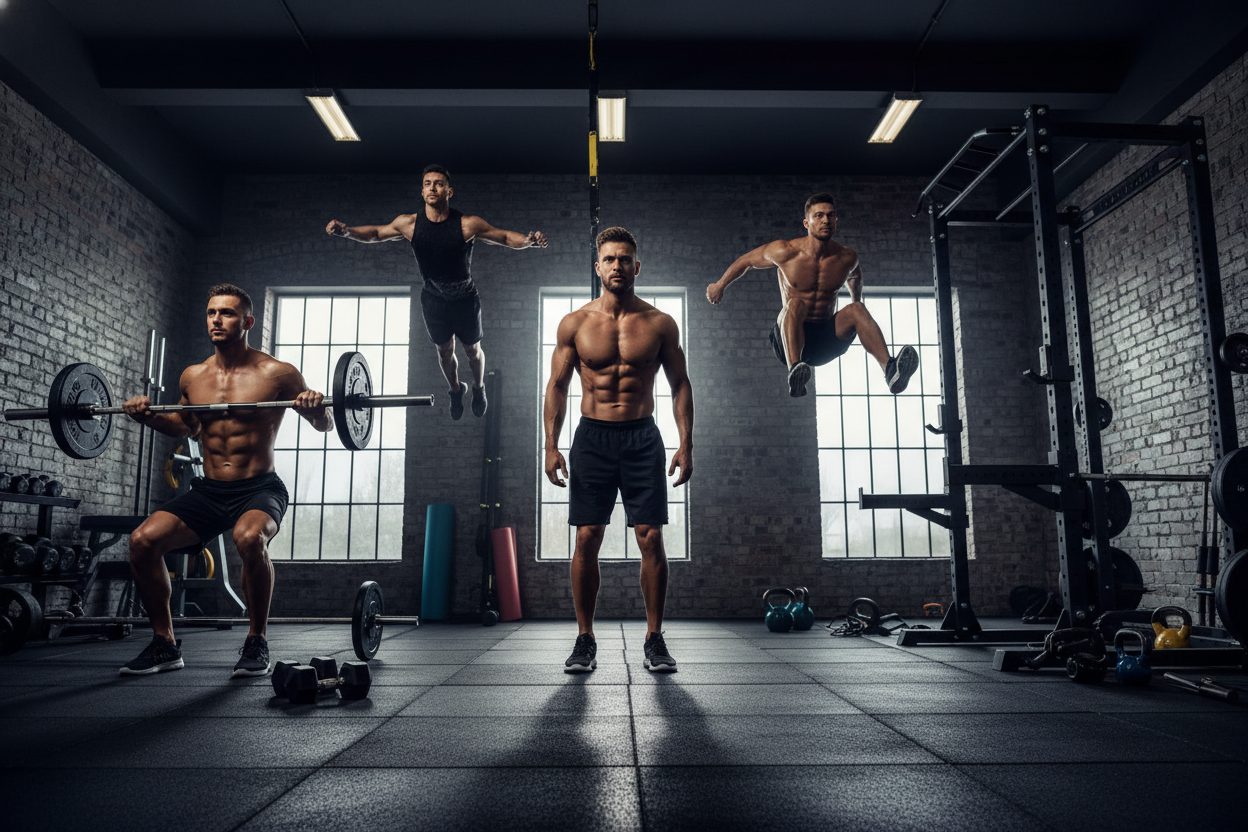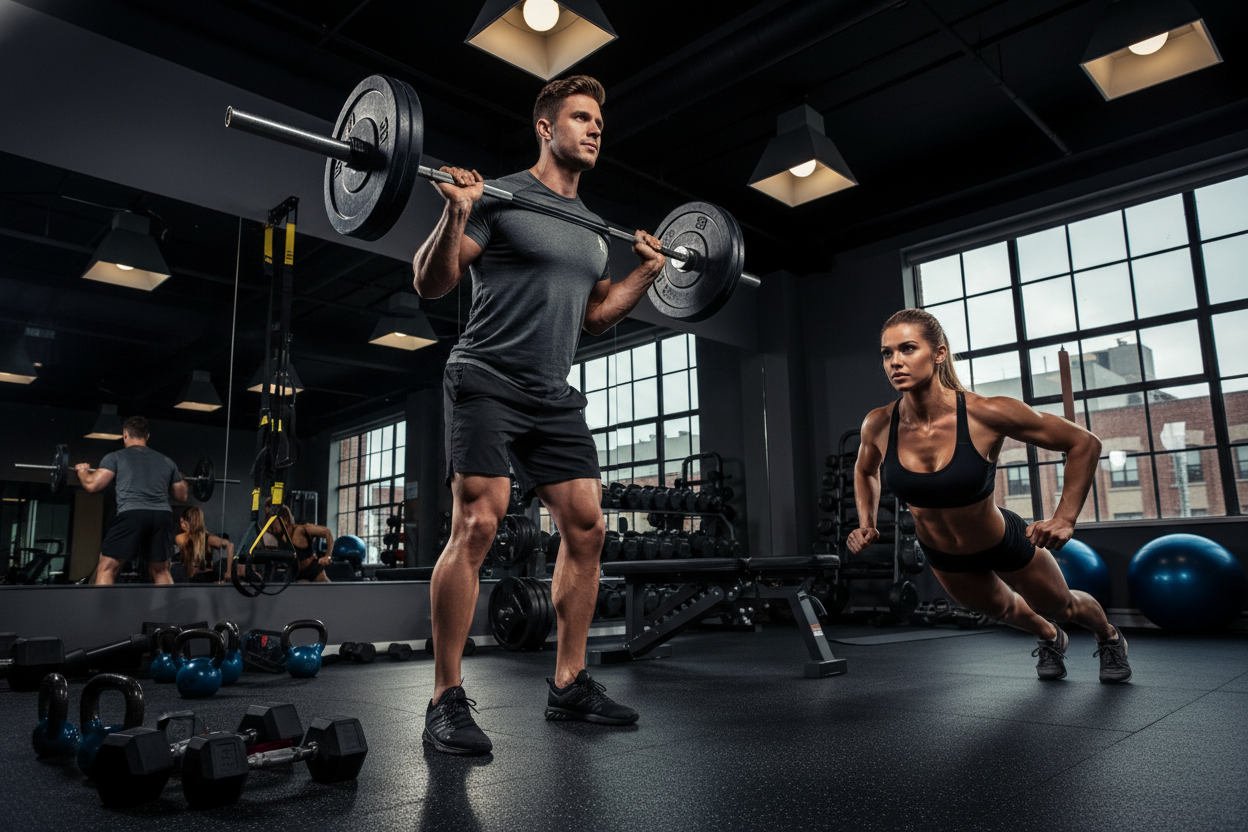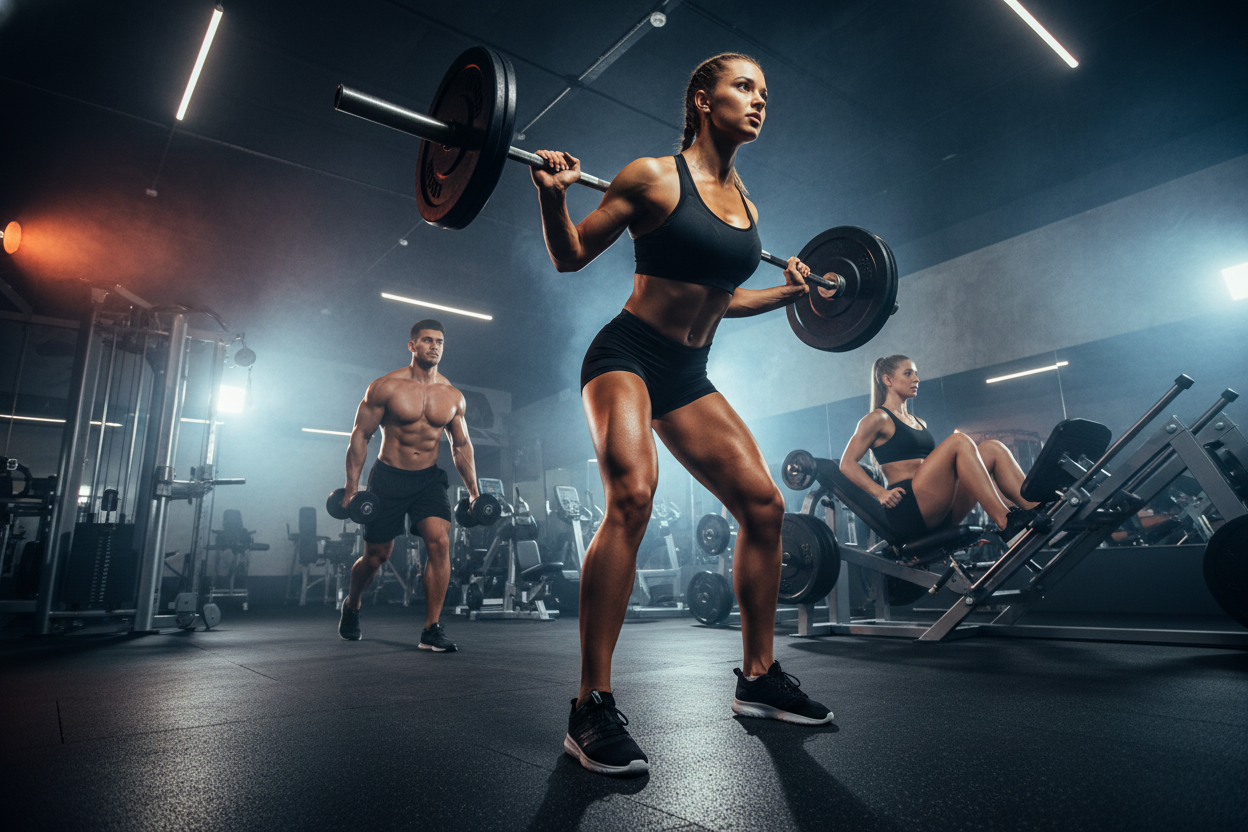
The Definitive Guide to the Best Exercises for Lower Body Growth
Most people walk into the gym, head straight for the leg press, do three sets of ten, and wonder why their jeans still fit the same way they did three years ago. Building a powerful foundation requires more than just moving weight from point A to point B; it requires understanding mechanical tension and proper movement patterns. If you are looking for the best exercises for lower body development, you need to look at movements that offer the highest return on investment for your energy.
Key Takeaways: The Shortlist
If you are in a rush, here is the core list of movements that drive the most significant adaptation in the lower body:
- The Barbell Squat: The primary driver for overall leg mass and central nervous system stimulation.
- Romanian Deadlifts (RDL): Superior for posterior chain (hamstring and glute) development compared to standard deadlifts.
- Bulgarian Split Squats: The king of unilateral movements for fixing imbalances.
- Hip Thrusts: Isolates the glutes without loading the spine.
- Walking Lunges: Adds a dynamic stability component essential for functional strength.
Understanding the "Big Movers"
To construct the best workout for lower body training, you have to categorize your movements. You aren't just "working legs"; you are training movement patterns: the squat, the hinge, and the lunge.
The Squat Pattern
Whether it is a back squat, front squat, or goblet squat, this is non-negotiable. The science is simple: deep knee flexion under load recruits the maximum amount of muscle fibers in the quadriceps and glutes. However, depth matters more than ego. If you can't break parallel without your lower back rounding, strip the weight off. You are better off doing a pristine goblet squat than a heavy, partial back squat.
The Hinge Pattern
This is where the Romanian Deadlift (RDL) shines. Unlike a conventional deadlift, which starts from a dead stop on the floor, the RDL starts from the top down. This maintains constant tension on the hamstrings. Think of your hips as a car door you are trying to close with your glutes while your hands are full of groceries. That specific hip-shift backward is what triggers growth, not just bending over.
Unilateral Training: The Missing Link
If you have ever felt one leg shaking while the other is stable, you have an imbalance. This is why the best lower body workout must include single-leg work. Bilateral exercises (using both legs) allow your dominant side to compensate for the weaker one.
Movements like split squats or lunges force each leg to carry its own load. This doesn't just build muscle; it bulletproofs your knees and hips against injury by ensuring the stabilizer muscles are firing correctly.
No Weights? No Problem
You do not always need a barbell. The best lower body weight exercises rely on volume and tempo rather than absolute load. A pistol squat (single-leg squat) requires immense mobility and strength, often more than a weighted squat does. Similarly, Nordic hamstring curls are a bodyweight movement that humbles even elite athletes. If you are training without iron, slow your tempo down: 3 seconds down, 1 second pause, 1 second up.
My Training Log: Real Talk
Let's talk about the Bulgarian Split Squat. On paper, it is one of the best exercises for lower body hypertrophy. In reality, it is a psychological battle. I remember specifically during a hypertrophy block last winter, I was doing these with just 40lb dumbbells.
It wasn't the weight that got me; it was the balance. On the eighth rep of my left leg, my back foot—resting on the bench—started cramping right in the arch of my sneaker. I had to hop around the gym floor trying to shake it out while maintaining my grip on the dumbbells. That wobble you feel in your ankle when you are fatigued? That is exactly where the progress happens. It is ugly, it is uncomfortable, and the sweat usually drips right into your eyes because you can't wipe it away, but that specific struggle is what separates a good leg day from a great one.
Frequently Asked Questions
How often should I train my lower body?
For most natural lifters, training legs twice a week is the sweet spot. This frequency allows you to hit the best workout for lower body volume (10-20 sets per week) without overwhelming your recovery capacity. One heavy day and one volume day usually works best.
Are squats bad for your knees?
Generally, no. Squats are actually good for knee health because they strengthen the musculature surrounding the joint. Knee pain usually stems from poor mobility (tight ankles) or improper tracking (knees caving inward). Fix the form, and the pain usually disappears.
Can I build big legs with just bodyweight?
Yes, to a point. The best lower body weight exercises like pistol squats and jump lunges can build significant muscle. However, eventually, you will need to add external resistance (weights) to continue applying progressive overload and stimulating growth.