The Blueprint to a Stronger Backside: What Actually Works for Glute Growth
You have probably spent hours in the gym doing endless squats, only to find your quads growing while your backside stays exactly the same. It is a common frustration. If you want to know the single best exercise for glutes based on muscle activation and tension, the barbell hip thrust takes the crown. While squats and deadlifts are fantastic compound movements, the hip thrust isolates the gluteus maximus in its fully shortened position better than almost anything else.
Building a powerful posterior chain requires more than just one movement, though. A complete physique requires hitting the muscles from different angles and length profiles. Relying solely on squats often leads to quad dominance, leaving the hips underdeveloped and potentially leading to lower back issues.
My Wake-Up Call With Glute Training
For years, I treated direct glute work as an afterthought—something reserved for "accessory days" or quick finishers. I was obsessed with heavy back squats, assuming they would cover everything. The result wasn't pretty. I developed nagging lower back pain and hit a massive strength plateau on my deadlift. My physiotherapist eventually pointed out that my glutes were essentially dormant; my lower back and hamstrings were doing all the heavy lifting.
I had to swallow my pride and drop the heavy weights to focus on activation. Incorporating high-volume hip thrusts and single-leg work was humbling. I shook uncontrollably with light weights because my glutes simply didn't know how to fire. But after six weeks of prioritizing these movements, my back pain vanished, and my main lifts started climbing again. That experience taught me that training your backside isn't just about aesthetics; it is the structural foundation of a healthy body.
The Mechanics of Growth
To understand why certain movements work, you have to look at the anatomy. The glutes are composed of three main muscles: the maximus, medius, and minimus. The maximus is the powerhouse responsible for the shape and size, while the medius and minimus handle stability and abduction (moving the leg away from the body).
For maximum hypertrophy, you need exercises that challenge the muscle in two specific ways: when it is stretched (lengthened) and when it is squeezed (shortened). A routine that misses one of these aspects is incomplete.
Top Tier Movements for Mass and Strength
Let's look at the best exercises for your glutes that cover the entire spectrum of muscle stimulation. These aren't just random selections; they are biomechanically superior choices for loading the hips.
1. The Barbell Hip Thrust
As mentioned earlier, this is the heavy hitter. By placing the load directly on the hips and bending the knees, you largely remove the hamstrings from the equation. This forces the glutes to extend the hips against gravity. The peak contraction at the top of the movement creates immense mechanical tension.
Keep your chin tucked and your ribs down to prevent hyperextending your lower back. The goal is to hinge from the hips, not the spine. If you don't have a barbell setup, single-leg variations with a dumbbell can be just as brutal.
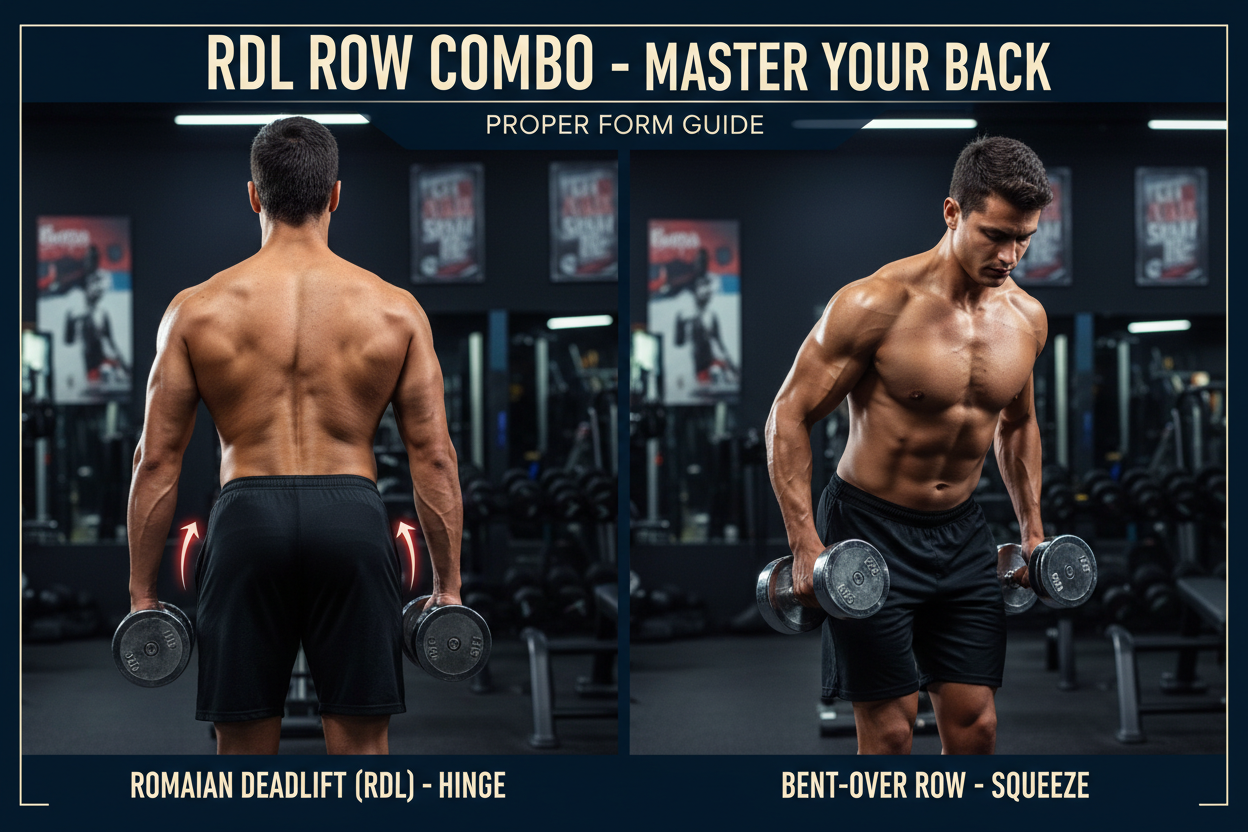
2. The Romanian Deadlift (RDL)
While the hip thrust challenges the muscle at the top (shortened position), the RDL challenges the glutes when they are fully stretched at the bottom. This stretch-mediated hypertrophy is crucial for growth. You should feel a deep pull in your hamstrings and glutes as you lower the weight.
Keep a slight bend in your knees but don't turn it into a squat. Push your hips back as if you are trying to close a car door with your butt. The moment your hips stop moving back, the rep is over—going lower than that usually just shifts the load to your lower back.
3. Bulgarian Split Squats
This is the exercise everyone loves to hate, but it is arguably one of the best exercises for your glutes regarding stability and correcting imbalances. Because it is unilateral (one leg at a time), your glute medius has to work overtime to keep you from tipping over, while the maximus drives the movement.
To make this more glute-focused rather than quad-focused, take a slightly longer stride and lean your torso forward about 45 degrees. This angle stretches the glute more effectively than staying upright. Keep the weight in the heel of the front foot and drive up.
4. 45-Degree Hyperextension
Often used as a lower back warm-up, this machine is a hidden gem for the posterior chain. By rounding your upper back slightly and turning your feet out 45 degrees, you can shift the focus almost entirely to the glutes. It allows for a massive range of motion and is safer to take to failure than heavy squats or deadlifts.
Why You Might Not Feel It Working
A common complaint is performing these movements but only feeling them in the legs or lower back. This phenomenon, often called "glute amnesia," usually stems from tight hip flexors or poor mind-muscle connection. If you sit at a desk all day, your hip flexors shorten, which inhibits the opposing muscles (your glutes) from firing correctly.
Before you touch a heavy weight, spend five minutes doing activation drills. Clamshells, glute bridges, or monster walks with a resistance band can wake up the nervous system. You aren't trying to fatigue the muscle here; you are just trying to establish a connection so that when you load the bar, the right muscles do the work.
Structuring the Workout
You don't need to do every exercise every session. A good approach is to pick one heavy compound lift (like a Hip Thrust or Squat variation) and follow it with a stretch-focused movement (like an RDL). Finish with high-repetition metabolic stress work, such as cable kickbacks or abduction machine work.
Progressive overload remains the driver of progress. You must do more over time, whether that means adding weight, doing more reps, or slowing down your tempo. Simply going through the motions with the same pink dumbbells for a year won't change your physique.
Frequency and Recovery
The glutes are a large, resilient muscle group that can handle a lot of volume. Training them 2 to 3 times a week is generally more effective than a single "leg day" where you obliterate them and can't walk for a week. Higher frequency allows for higher quality sets and better motor learning.
Listen to your body. If your joints ache or your performance drops, dial back the volume. Consistency beats intensity in the long run. Building a strong posterior chain is a marathon, not a sprint, but with the right selection of movements, you will see the results reflected in your strength numbers and the mirror.
Frequently Asked Questions
How often should I train my glutes to see results?
For most people, training glutes 2 to 3 times per week yields the best results. This frequency balances adequate stimulus for growth with enough recovery time. Training them once a week is usually insufficient for maximum hypertrophy, while training them every day can lead to overtraining and diminished returns.
Can I build glutes without heavy weights?
Yes, but it requires much higher volume and intensity. You can use bodyweight exercises, resistance bands, and high repetitions to create metabolic stress, which drives growth. However, incorporating progressive resistance (weights) is generally the most efficient way to build muscle mass over time.
Why do I feel squats in my quads instead of my glutes?
Squats are naturally a knee-dominant movement, meaning the quads are the primary movers. To shift more focus to the glutes, try widening your stance and pointing your toes out slightly, or ensure you are hitting proper depth (below parallel). Alternatively, switch to movements like the hip thrust or Romanian deadlift which mechanically favor the hips over the knees.