The Blueprint to a Bigger Chest: A Complete Gym Workout Guide
Building a thick, armored chest is often the primary goal for anyone stepping into the weight room. It is the centerpiece of the upper body and signals strength and power. However, walking into the weight room without a plan often leads to wasted energy and lackluster results. To truly develop the pectorals, you need a structured chest exercise program that targets the muscle from every angle. This guide breaks down exactly how to structure a gym full chest workout to maximize hypertrophy and strength.
Why Most Chest Routines Fail
Many lifters fall into the trap of ego lifting. They load up the bar on the flat bench press, bounce the weight off their sternum, and wonder why their shoulders hurt while their chest refuses to grow. A effective chest routine workout requires intention. You must control the weight, understand the anatomy, and prioritize the mind-muscle connection over moving the heaviest load possible A full workout for chest development isn't just about pushing weight away from you; it is about squeezing the muscle fibers under tension.
I remember hitting a frustrating plateau a few years back. I was obsessed with the flat bench press, treating it as the holy grail of chest training. My strength increased, but my physique looked unbalanced—bottom-heavy with a shallow upper chest. It wasn't until I shifted my mindset to a whole chest workout approach, specifically prioritizing the incline movements and controlled isolation, that I saw significant changes. I stopped worrying about the number on the plates and started focusing on the quality of the contraction. That shift in perspective is what turns a generic gym workout routine chest session into a physique-changing event.
Anatomy of a Full Chest Workout
To construct the best exercise routine for chest, you have to understand what you are working. The pectoralis major is a fan-shaped muscle with two main heads: the clavicular head (upper chest) and the sternocostal head (mid and lower chest). A chest full workout must address both.
If your chest routines only consist of flat benching, you are likely neglecting the upper shelf of the chest, which gives the torso that full, aesthetic look. Conversely, ignoring the lower portion or the stretch component prevents you from achieving full width and separation. The following gym program chest is designed to hit all these areas efficiently.
The Ultimate Gym Workout Plan for Chest
This chest workout guide follows a specific sequence: compound movements for mechanical tension, followed by isolation movements for metabolic stress. Here is a comprehensive chest routine at gym that ensures no fiber is left unrecruited.
1. Incline Barbell or Dumbbell Press
Start your chest routine gym session with an incline movement. Most people lack upper chest development, so prioritizing this when your energy levels are highest is crucial. Set the bench to a 30 or 45-degree angle. Lower the weight under control to the upper chest, pause slightly, and drive up. This sets the tone for a full chest workout at gym facilities where adjustable benches are available.
2. Flat Bench Press
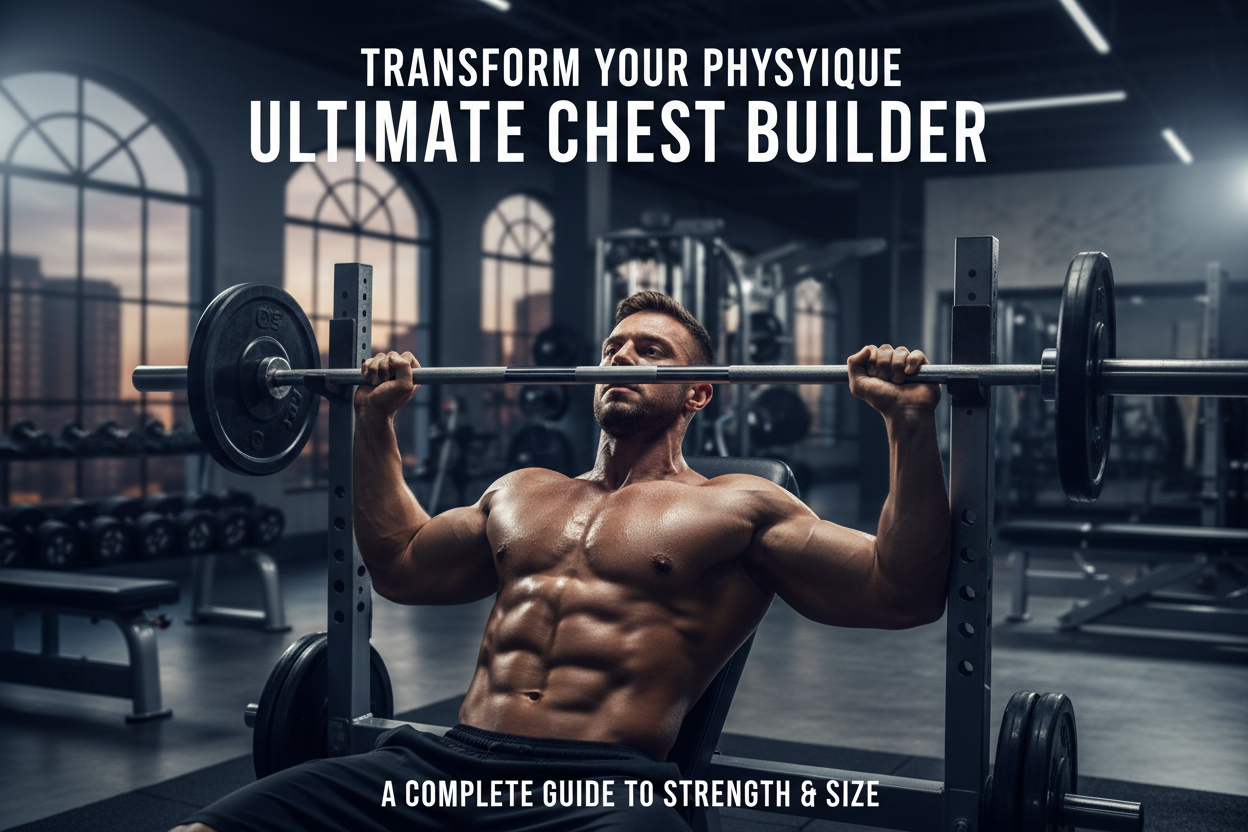
The classic staple of any gym chest workout routine. Whether you use a barbell or heavy dumbbells, the flat press allows for maximum load. Keep your shoulder blades retracted and depressed to protect your rotator cuffs. This movement builds the overall mass and thickness required for a powerful look.
3. Weighted Dips
For the lower chest and outer sweep, dips are unbeatable. Lean your torso forward to shift the emphasis from the triceps to the pectorals. This is a vital component of full chest exercises in gym environments. If body weight is too easy, use a dip belt to add load. If it is too hard, use an assisted dip machine. This movement acts as a bridge between heavy compounds and isolation work.
4. Cable Crossover or Pec Deck Fly
A full chest workout gym session is incomplete without a fly movement. Presses are great for mass, but flyes isolate the chest and allow for a deep stretch and a hard peak contraction. Cables are generally superior to dumbbells here because they provide constant tension throughout the entire range of motion, specifically at the top where dumbbells lose resistance.
Optimizing Your Chest Set Workout
Knowing the exercises is only half the battle. How you execute your chest set workout determines your results. Volume and intensity must be balanced. For the compound movements (Incline and Flat Press), aim for 3 to 4 sets of 6 to 10 reps. This rep range is ideal for mechanical tension and strength.
For the chest workout gym routine isolation movements (Dips and Flyes), increase the rep range to 12 or 15. This encourages metabolic stress and helps pump blood into the muscle, delivering nutrients for recovery. Rest periods should be longer (2-3 minutes) for compounds and shorter (60-90 seconds) for isolation work.
Common Mistakes in Chest Routines
Even with a solid gym guide, gym full chest workout execution can suffer from poor form. The most common error is flaring the elbows out too wide (90 degrees). This places immense stress on the shoulder joint. Instead, tuck your elbows slightly (about 45 to 75 degrees) to keep the tension on the pecs and save your joints.
Another issue is limiting the range of motion. Half-reps yield half-results. Unless you have a specific injury, aim to touch the chest on presses (or get close with dumbbells) and get a full stretch on flyes. A chest routine workout is only as effective as your range of motion allows it to be.
Frequency and Recovery
You might wonder how often to perform this full chest exercises list. For most natural lifters, hitting chest twice a week is optimal. You could do this full routine on Monday, and a slightly modified version on Thursday or Friday. This frequency allows for sufficient protein synthesis spikes without overtraining.
Recovery is just as important as the gym workout plan for chest itself. Ensure you are eating enough protein and getting enough sleep. The chest is a large muscle group, and heavy pressing taxes the central nervous system. Listen to your body; if your shoulders or elbows are nagging you, take an extra rest day or reduce the load.
Final Thoughts on Chest Training
Consistency is the secret ingredient to any chest exercise program. You won't wake up with an Arnold-like chest after one session. It takes months and years of progressive overload. Track your lifts. If you pressed 200lbs for 5 reps last week, aim for 200lbs for 6 reps this week. Small increments add up to massive gains over time.
By following this chest workout guide, prioritizing your upper chest, and maintaining strict form, you will build a complete, three-dimensional chest. Treat every rep with respect, control the negative, and squeeze the life out of the bar.
Frequently Asked Questions
How many times a week should I train my chest?
For most intermediate to advanced lifters, training the chest twice a week is the sweet spot. This frequency allows you to maximize muscle growth signals while providing just enough time for recovery between sessions.
Can I build a big chest using only dumbbells?
Absolutely. Dumbbells can actually offer a better range of motion than barbells and help correct muscle imbalances. A full routine can be constructed using flat, incline, and decline dumbbell presses along with dumbbell flyes.
What should I do if I don't feel my chest working during bench press?
This usually indicates that your triceps or front delts are taking over. Try retracting your shoulder blades (pinching them together) and arching your back slightly before you lift. Additionally, try pre-exhausting the chest with a set of light flyes before moving to the heavy pressing movements to establish a better mind-muscle connection.