The Big Problem With the Strength Exercises for Older Adults PDF NHS Gives
I recently helped my uncle clear out his kitchen drawer, and tucked between old menus and a broken flashlight was a grainy, photocopied handout. It was the standard strength exercises for older adults pdf nhs doctors give out when they notice a patient is getting a bit unsteady. It’s a well-meaning document, but looking at it through the eyes of someone who spends forty hours a week in a squat rack, it felt like bringing a toothpick to a gunfight.
We all want our parents and grandparents to stay independent, but there is a massive gap between 'not falling' and 'being strong.' Most official handouts focus entirely on the former while completely ignoring the latter. If you are looking at that PDF right now, you need to know that it is a starting line, not a finish line.
Quick Takeaways
- The NHS PDF is excellent for day-one mobility and breaking a sedentary cycle.
- It fails long-term because it lacks progressive overload—the key to building bone density.
- Staying seated for every exercise prevents the core and stabilizer muscles from doing their job.
- To see real-world results, you eventually have to move from bodyweight to external resistance.
What the Official Printout Actually Gets Right
Before I tear into the limitations, let's be fair: the baseline movements in the official document are scientifically sound for their intended audience. If you haven't done a single purposeful movement in five years, jumping straight into a barbell program is a recipe for a hospital visit. The NHS guide focuses on the 'Sit-to-Stand,' which is essentially a box squat. This is the single most important movement for an aging adult. If you can't get off the toilet or out of a car, your world shrinks fast.
The mobility drills—like ankle circles and neck rotations—are also solid. They lubricate the joints and wake up the nervous system. For someone recovering from surgery or dealing with severe frailty, these gentle drills provide a safe entry point. They build the confidence needed to move without the fear of immediate pain. In that sense, the PDF does its job: it gets people off the sofa.
However, the problem arises when this 'starter' routine becomes the 'forever' routine. Your body is an adaptation machine. Once it gets used to these movements, it stops changing. If you stay at this level for six months, you aren't building strength anymore; you're just maintaining a very low baseline. We need to aim higher than just 'not falling.'
The Danger of Getting Stuck in a Chair
My biggest gripe with the nhs exercises for older adults pdf is the obsession with the chair. Almost every movement is performed while seated. While this is great for safety in the first week, it’s a trap. Real life doesn't happen in a chair. You need to balance while reaching for a top-shelf cereal box or stepping over a curb. By keeping seniors seated, we are robbing them of the chance to train their proprioception and core stability.
The lack of progressive overload is the silent killer of these programs. To build bone density—which is critical for preventing hip fractures—you need to put a load on the skeletal system that is greater than what it's used to. Doing ten air-punches while sitting down will never stimulate bone growth. Is Growing Stronger: Strength Training for Older Adults Outdated? often explores this exact issue: official health programs are often so risk-averse that they become ineffective. They prioritize 'not getting sued' over 'getting the patient strong enough to live a vibrant life.'
If you can do the entire PDF without breaking a sweat or feeling your heart rate climb, the program is no longer working for you. You are essentially spinning your wheels. You need to stand up, move your feet, and eventually, pick something up that has some weight to it.
How to Graduate to Real Resistance Training
So, how do you move from a grainy PDF to actual strength? You do it in increments. You don't need to join a CrossFit gym, but you do need to start thinking like a lifter. The first step is taking that 'Sit-to-Stand' and making it a 'Goblet Squat.' Hold a small weight—even a heavy book—against your chest while you do it. This shifts your center of gravity and forces your core to engage.
Once you’ve mastered the seated air-punches, it’s time to stand up and use resistance. This is where Strength Training Accessories like light dumbbells or resistance bands come into play. A standing overhead press with a 5-lb weight does more for your functional independence than fifty unweighted arm circles ever will. It teaches your body to stabilize from the ground up.
I’ve seen this transition work wonders. I Swapped My Mom's Routine for These Exercises for Older Adults because she was bored and seeing zero progress with the standard handouts. We moved her to standing rows and weighted step-ups. Within three months, she was carrying her own groceries and walking with a stride that looked twenty years younger. The 'secret' wasn't a magic pill; it was just adding five pounds to her movements every few weeks.
Fixing Your Home Environment Before You Lift
The PDF usually tells you to 'use a sturdy chair.' That’s fine, but it ignores the floor. Most senior falls during home exercise happen because of 'floor hazards'—which is a fancy way of saying a rug bunched up or a sock slipped on a hardwood floor. If you're going to graduate to standing exercises and adding weight, you need a dedicated space that isn't a slip-and-slide.
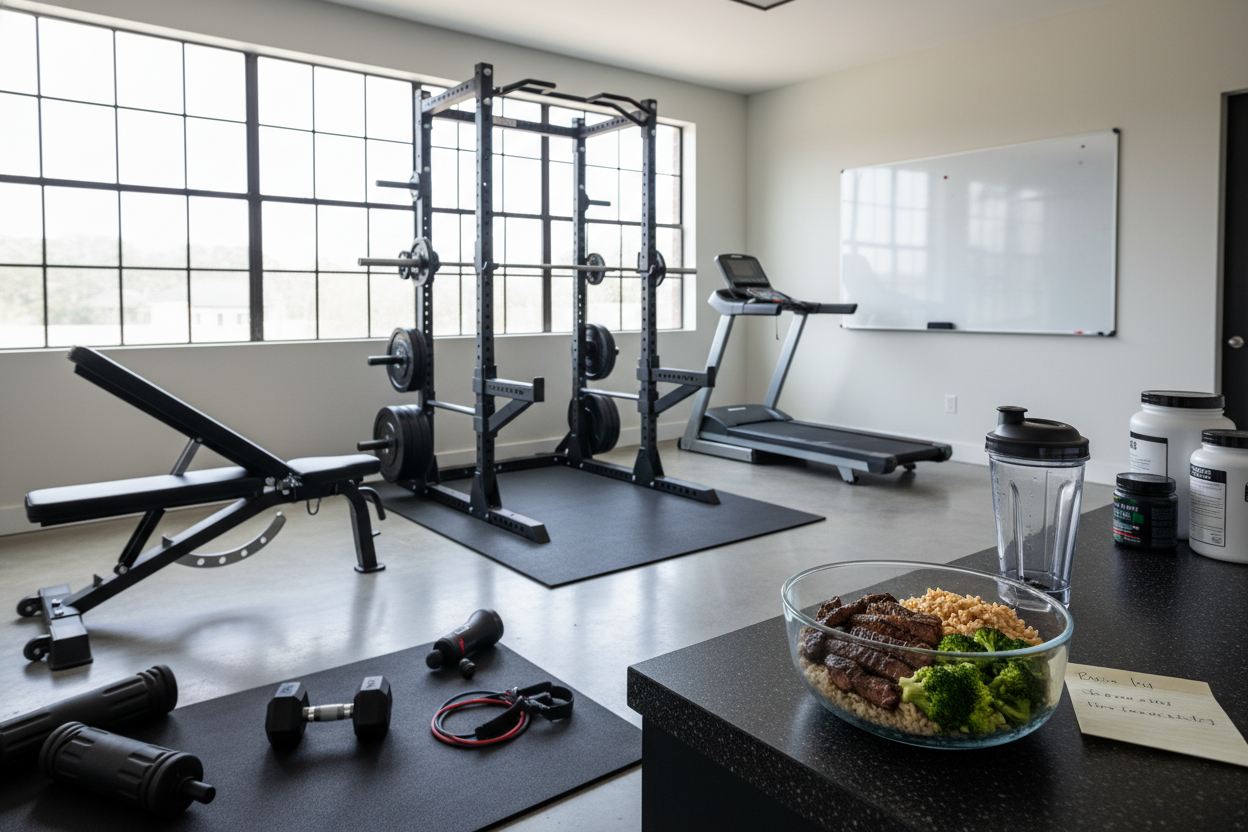
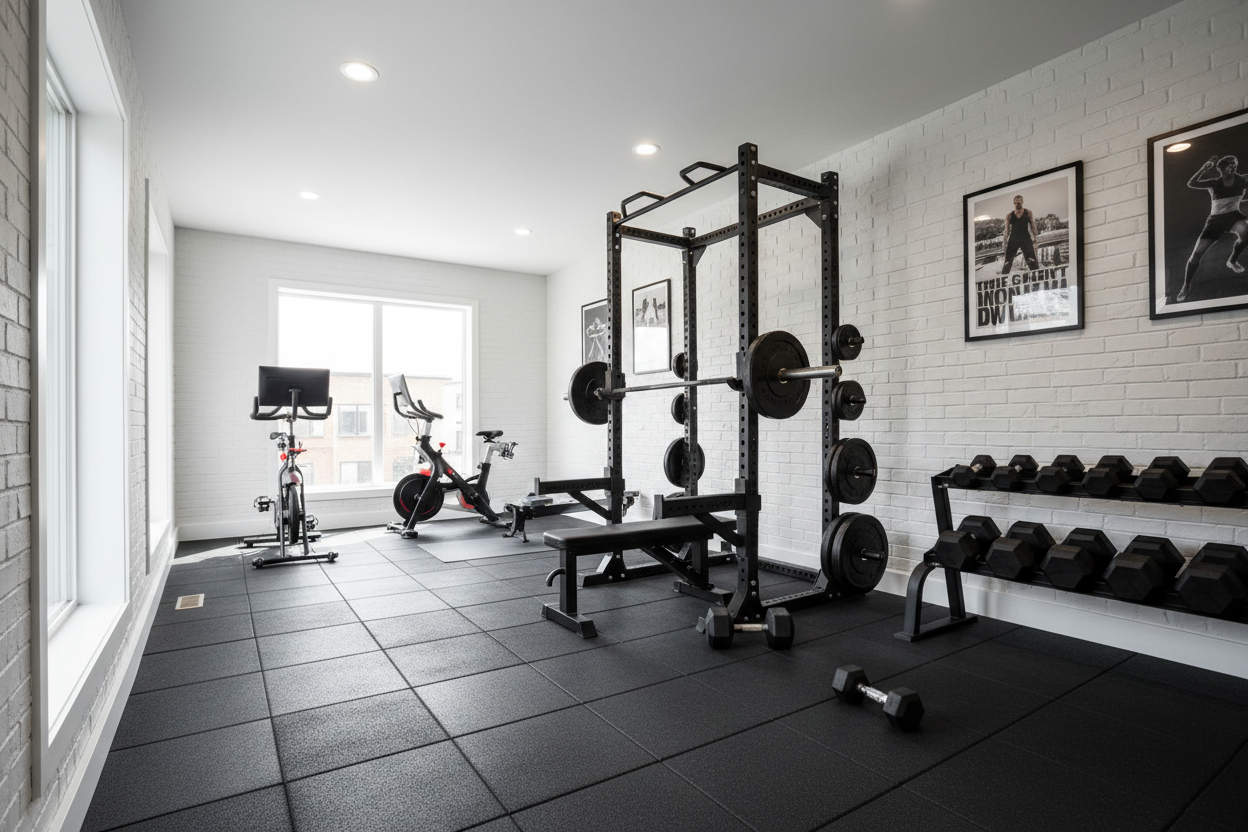
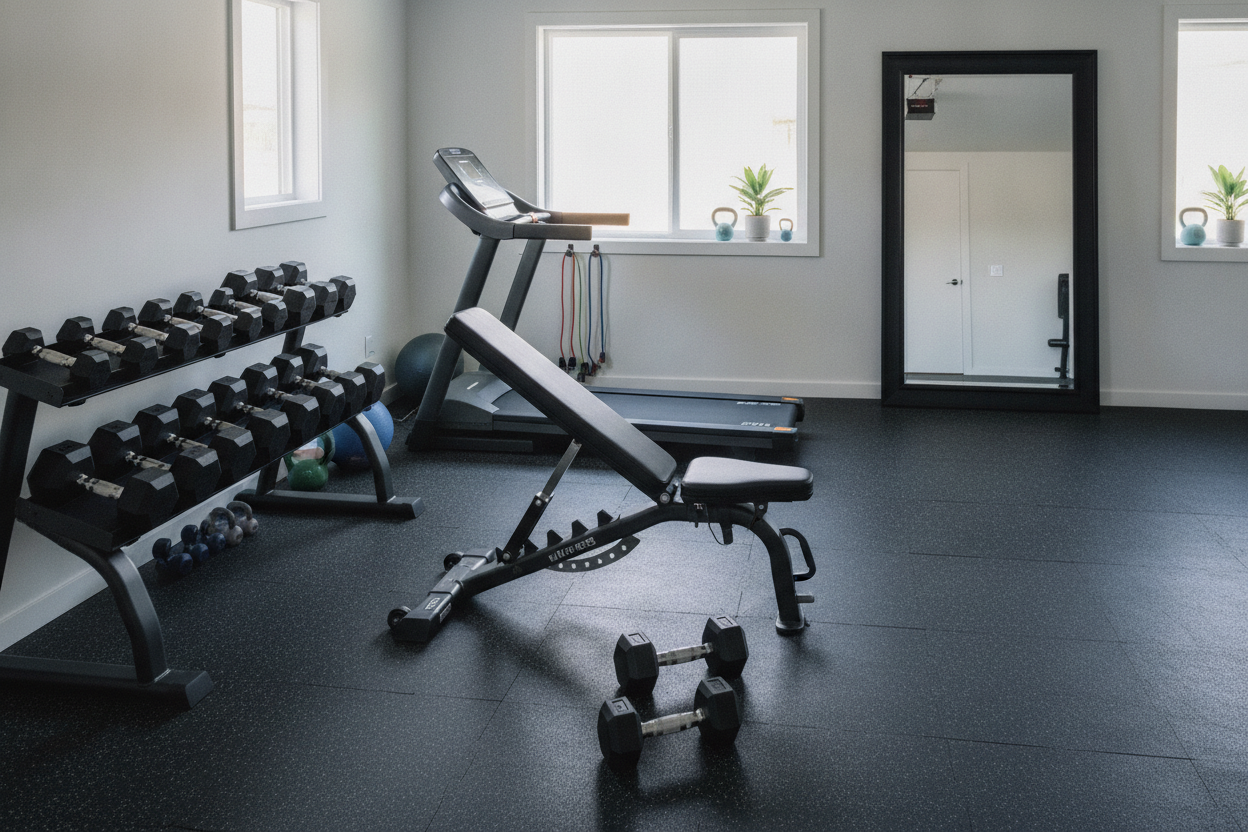
I always tell people to ditch the slippers and get a proper surface. A dedicated 6X8Ft Exercise Mat Yoga Mat Gym Flooring For Home Workout is a massive safety upgrade. It provides enough grip for your shoes (or bare feet) and enough cushion that if you do drop a light weight, you aren't cracking a floor tile. It also defines your 'gym' space, which helps with the mental habit of training.
Clear the clutter. Get rid of the throw rugs. Ensure you have enough light to see where your feet are landing. Once you have a stable, non-slip foundation, the fear of falling drops significantly, allowing you to focus on the actual effort of the lift. Strength is built on stability.
Personal Experience: My Dad's 10-Pound Milestone
I watched my dad struggle with the NHS-style drills for months. He was 'doing his exercises' every morning, but he still struggled to get the lawnmower out of the shed. One day, I brought over a pair of 10-lb dumbbells. He was terrified of them at first—thought he'd throw his back out. We started with simple farmer's carries (just walking while holding the weights). Within two weeks, his grip strength improved so much he stopped complaining about his hands hurting. The mistake we made was assuming he was too fragile for weights, when in reality, he was fragile *because* he wasn't lifting weights.
Senior Strength FAQ
Can I use soup cans instead of dumbbells?
You can for the first week, but most soup cans weigh less than a pound. You'll outgrow them in about three days. Real dumbbells or bands provide a better grip and more consistent resistance.
Is it safe to lift weights if I have arthritis?
Generally, yes. Strengthening the muscles around a joint actually takes the pressure off the joint itself. Just start light and focus on a full, pain-free range of motion.
How many times a week should I do these?
Aim for two to three sessions of 20-30 minutes. Your muscles need rest days to actually grow stronger, so don't do the same weighted routine every single day.