The Best Workout for Building Mass Takes Exactly 45 Minutes
I spent years thinking my garage gym sessions needed to be three-hour marathons to see any real growth. I'd be out there shivering in the dead of winter, doing set after set of cable flies and concentration curls while my space heater struggled to keep up. It turns out, the best workout for building mass isn't about how long you stay in the gym; it's about how much quality work you can pack into a tight window.
Quick Takeaways
- Antagonist supersets allow you to double your volume without doubling your time.
- Rest periods should be managed to prioritize heavy loads, not cardiovascular fatigue.
- Organizing your floor space is the secret to keeping transitions fast and safe.
- The best mass gains come from high mechanical tension on compound lifts.
The 'More Is Better' Trap That Keeps Guys Small
We've all seen the guys who think 'mass' equals 'more exercises.' They spend forty minutes on three different types of chest presses and then wonder why they're still wearing a size medium. That's junk volume. Once you've hit your primary heavy compound movement for the day, your central nervous system is already taking a hit. Anything past a certain point is just spinning your wheels.
I used to fall for this constantly. I'd add 'just one more' isolation move, thinking that extra pump was the key to growth. In reality, I was just making myself too tired to recover for the next session. High-quality mass building requires intensity, and you can't maintain true intensity for two hours. If you're still moving with the same fire at the 90-minute mark, you didn't train hard enough in the first twenty.
Why Antagonist Supersets Change the Game
The secret to getting big in a 45-minute window is the antagonist superset. This means pairing opposite muscle groups—like chest and back or quads and hamstrings. While your chest is recovering from a heavy set of presses, your back is fresh and ready to pull. This keeps the heart rate up, sure, but more importantly, it allows the local muscle groups to recover while you stay productive.
This isn't just about saving time. There's real evidence that pre-loading the antagonist muscle can actually increase the force output of the agonist. It's why The best chest and back workout for mass Actually Saves Time. You get to move heavier weights more frequently because you aren't sitting on a bench for five minutes between sets checking your phone. You're working, then you're recovering, then you're out the door.
The 45-Minute Blueprint (And Why It Works)
To make this work, you need to pick big, ugly compound movements. Think Barbell Rows paired with Bench Press, or Weighted Pull-ups paired with Overhead Press. These are the best workouts for mass gain because they force your body to adapt to massive mechanical tension across multiple joints. You aren't just hitting a muscle; you're taxing a system.
When you're programming your vertical pressing, pay attention to your form. I've found that following the advice in Why the Best Shoulder Workout for Mass Starts From a Dead Stop is a total lifesaver for the joints. By eliminating momentum, you ensure the tension stays on the delts and not your lower back. A typical 45-minute session should consist of three 'pairings' done for 3-4 sets each, leaving you just enough time for a quick finisher if you've got the gas left.
Setting Up Your Garage for Quick Transitions
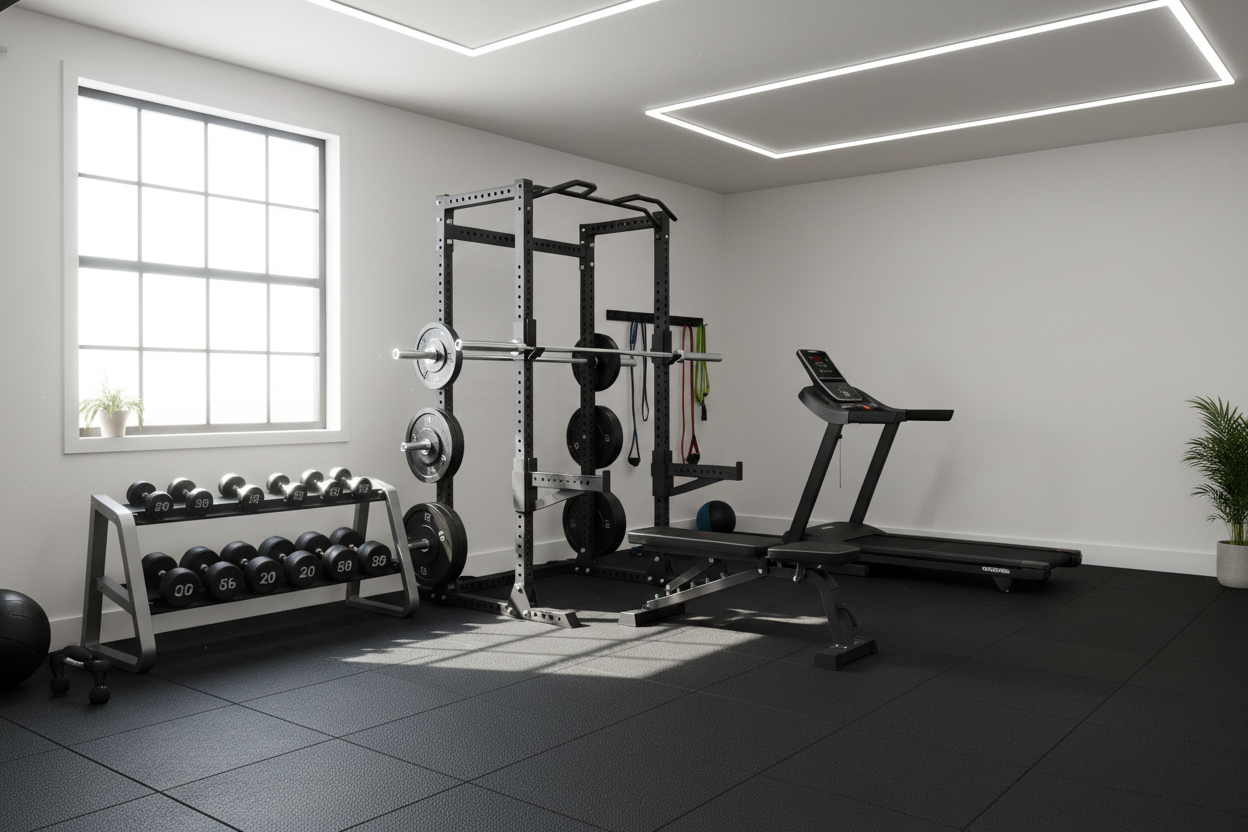
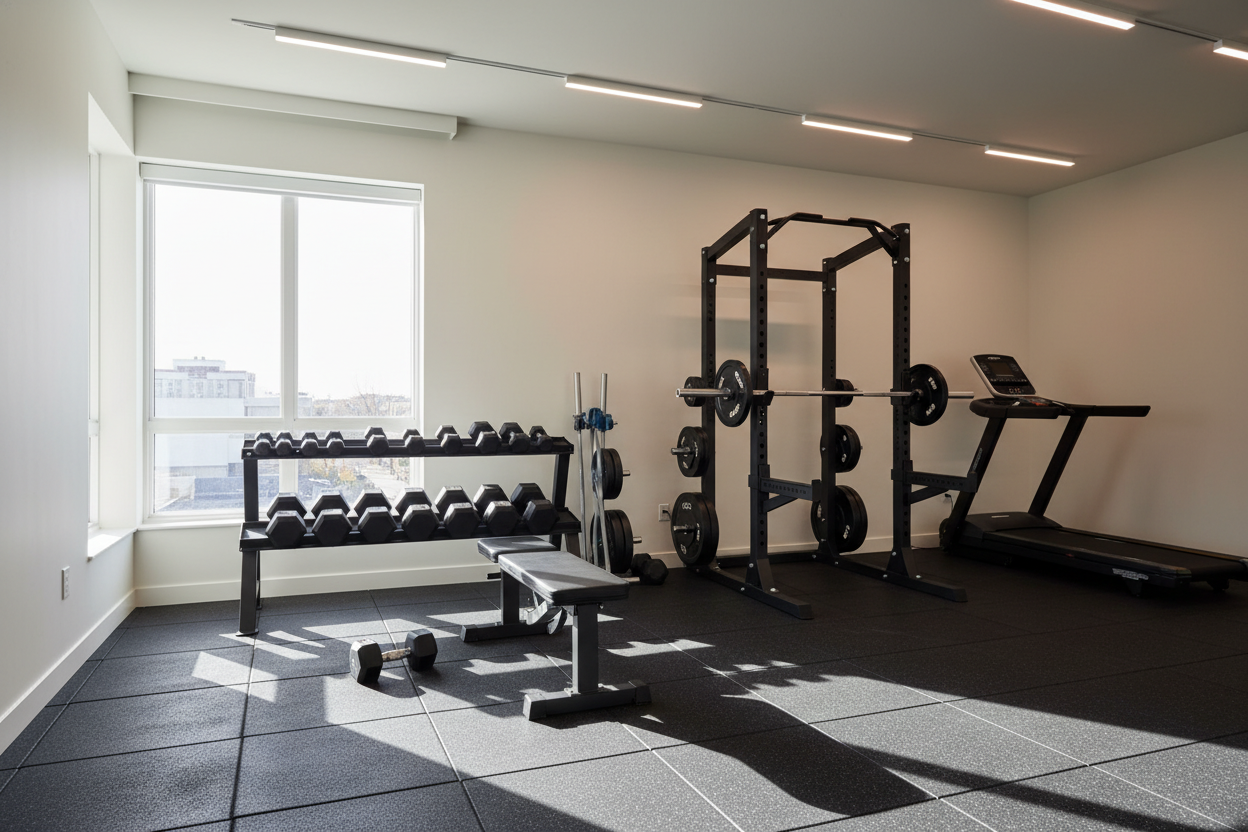
You can't run a high-intensity superset routine if your garage looks like a storage unit. If you have to move a lawnmower and three boxes of holiday decorations just to get to your dumbbells, your 45-minute workout will take two hours. You need a dedicated 'work zone' where your primary equipment is staged and ready to go.
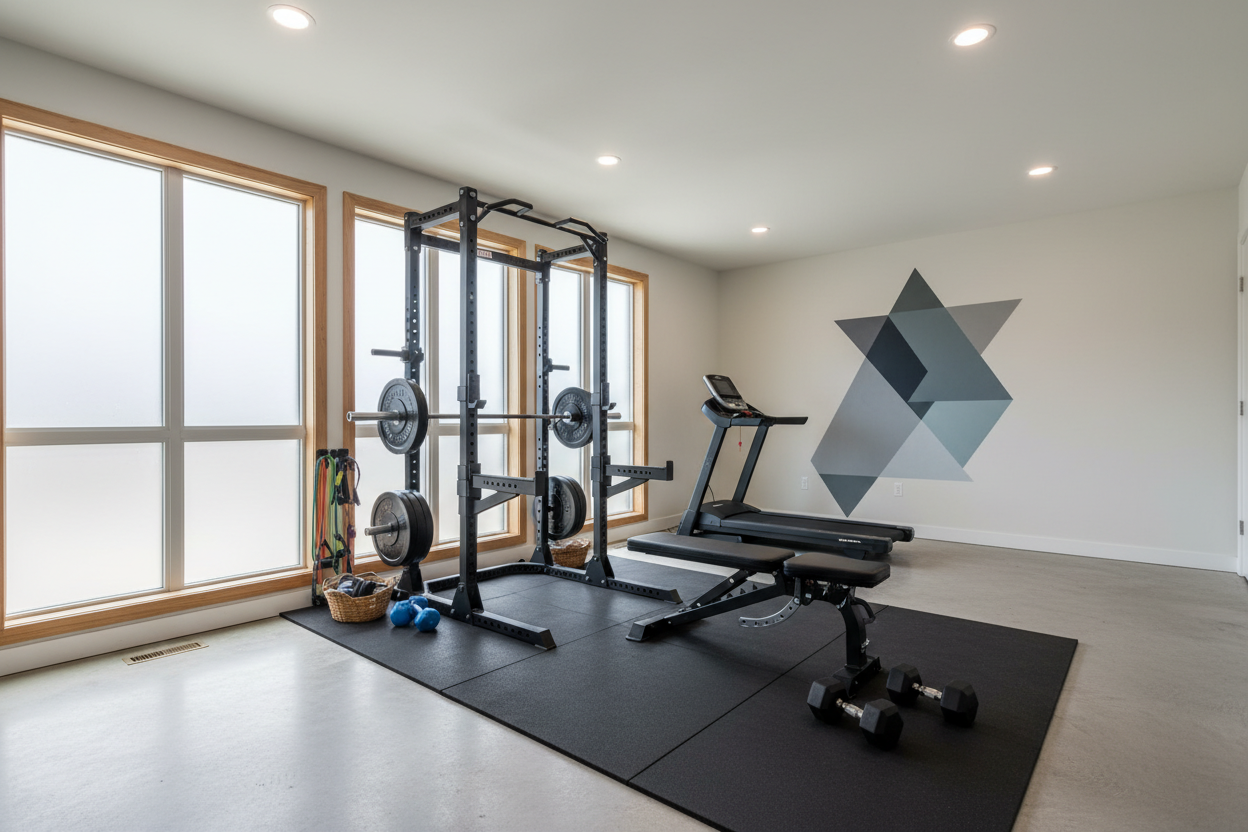
I recommend laying out a Large Exercise Mat For Home Gym to define your lifting area. It keeps you from wandering around the garage between sets. Having a 6X8Ft Exercise Mat Yoga Mat Gym Flooring For Home Workout is particularly useful because it gives you a safe, grippy surface to drop weights on when you're moving fast between a row and a press. When you're redlined at the end of a heavy set, the last thing you want is to be gingerly placing 100-lb dumbbells on bare concrete.
Don't Turn This Into Cardio
This is the biggest mistake people make with supersets. They start rushing the reps and breathing like they're in the middle of a metcon. If the weight you're lifting is so light that you're not struggling by the end of the set, you aren't building mass—you're just doing expensive cardio. The goal is to stay heavy.
Manage your heart rate. Take about 60 to 90 seconds between the two exercises in your superset, and maybe two minutes between the supersets themselves. You want to be recovered enough that your strength doesn't drop off a cliff. Mass is built through proximity to failure with heavy loads, not by seeing how much you can sweat in a cold garage.
Personal Experience: The Squat Mistake
I once tried to superset heavy back squats with weighted pull-ups to 'save time.' Within ten minutes, I was lightheaded and seeing spots. It was a disaster. I learned the hard way that you have to be smart about what you pair. Squats are so systemically taxing that they usually deserve their own space, or at least a very low-impact partner. Stick to the upper body push/pull pairings for the best results without the nausea.
FAQ
How many days a week should I do this?
Four days is the sweet spot. An upper/lower split works perfectly with this superset style, giving you enough recovery time to actually grow.
Do I need a spotter for this?
Since you're moving fast, I highly recommend using a power rack with safety pins. It's safer than relying on a buddy who might be busy doing his own rows while you're under the bar.
Can I do this with just dumbbells?
Absolutely. Just make sure you have a wide enough range of weights. If you're using 20s for everything, you're not going to see the mass gains you're after.