
The Best Fitness Machines for Home Gyms: A Buyer's Blueprint
You walk into a commercial gym or scroll through an online retailer, and the sheer volume of options is paralyzing. Everyone claims to have the ultimate solution for fat loss or muscle gain. But here is the reality: finding the best fitness machines isn't about buying the most expensive piece of tech with a giant screen. It is about matching biomechanics to your specific physiology and available space.
If you buy the wrong equipment, it becomes a very expensive clothes rack within three months. If you choose wisely, you build a training environment that removes friction from your workout routine. This guide cuts through the marketing hype to tell you what actually works.
Quick Summary: Core Selection Criteria
If you want to skip the deep dive and just know what to look for, here is the cheat sheet for selecting the best exercises machines for your goals:
- For Cardiovascular Health: Rowers and Air Bikes offer the highest calorie burn per minute due to full-body engagement.
- For Hypertrophy (Muscle Growth): Functional Trainers (cable machines) provide constant tension that free weights cannot match.
- For Small Spaces: Adjustable dumbbells and foldable treadmills are superior to multi-station home gyms.
- For Longevity: Look for heavy-gauge steel frames and high weight capacities; plastic pulleys are the first thing to break.
Defining Your Goal: Cardio vs. Resistance
Before swiping your credit card, you need to define the stimulus. The best workout machine for a marathon runner is useless to a powerlifter. We need to categorize these tools based on the physiological adaptation they provide.
The Cardio Heavyweights
When looking for metabolic conditioning, impact matters. Treadmills are the standard, but they can be tough on knees over time. For low-impact, high-intensity work, the rowing machine is often the best training machine available. It forces you to drive through your heels, engaging the posterior chain (hamstrings, glutes, back) while skyrocketing your heart rate. It doesn't just burn calories; it builds work capacity.
The Strength Builders
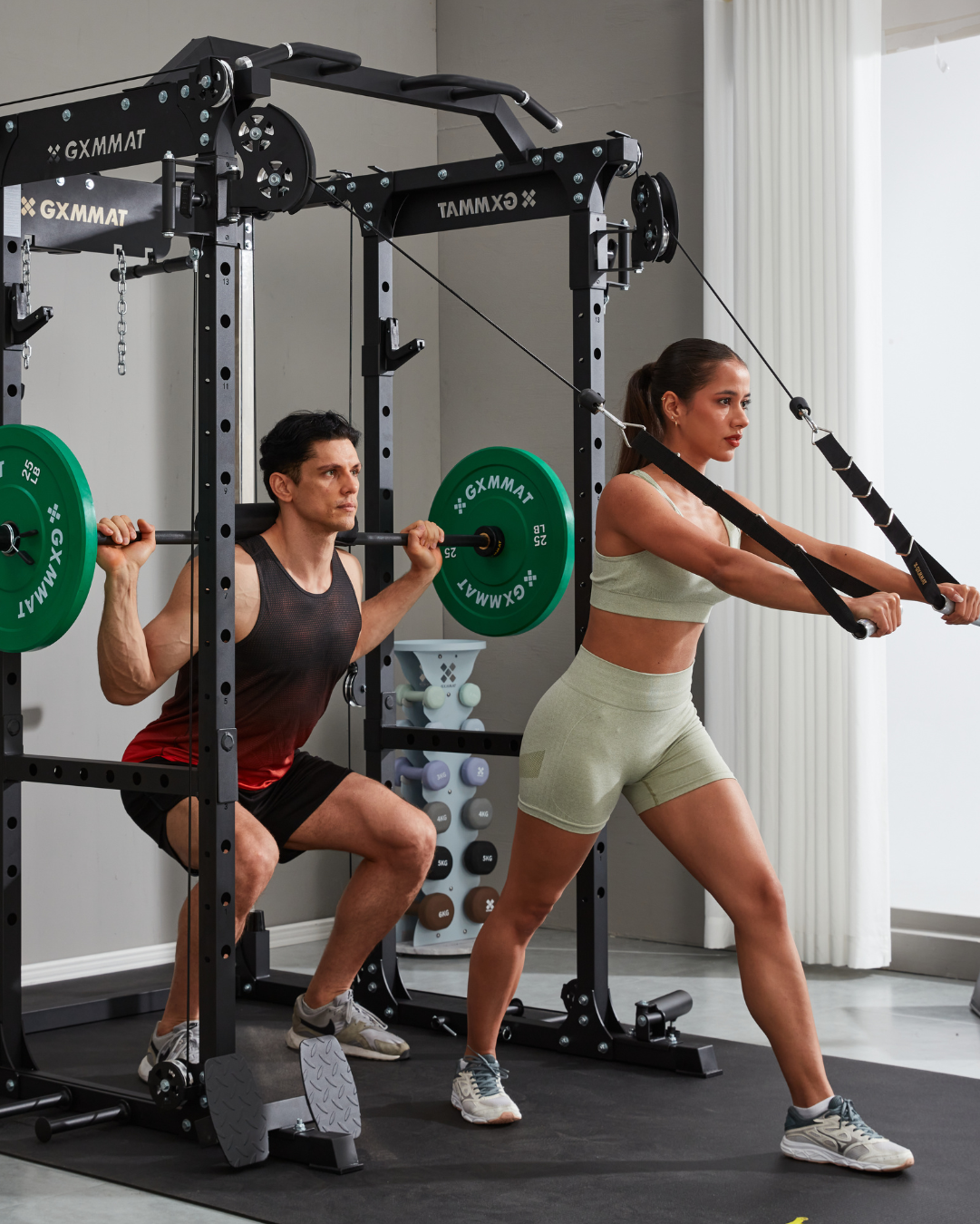
For building muscle, we look for stability and tension profiles. A Smith Machine often gets a bad reputation from purists, but for hypertrophy, it is excellent. It removes the need to balance the weight, allowing you to focus entirely on pushing the muscle to failure safely without a spotter. However, a Functional Trainer (dual cable stack) is arguably the most versatile. It allows you to move through any plane of motion—woodchoppers, flyes, rows—mimicking real-world movement patterns.
Analyzing Biomechanics and Build Quality
A machine is only as good as its movement path. When testing equipment, pay attention to the "strength curve." Does the weight feel impossibly heavy at the start and light at the end? That is poor engineering.
The best fitness machines maintain a consistent resistance profile throughout the entire range of motion. If you are buying a cable machine, look for a 2:1 pulley ratio. This makes the weight feel smoother and allows for more travel distance, which is critical for dynamic movements like explosive rows or tricep extensions.
Space Economy: The Garage Gym Dilemma
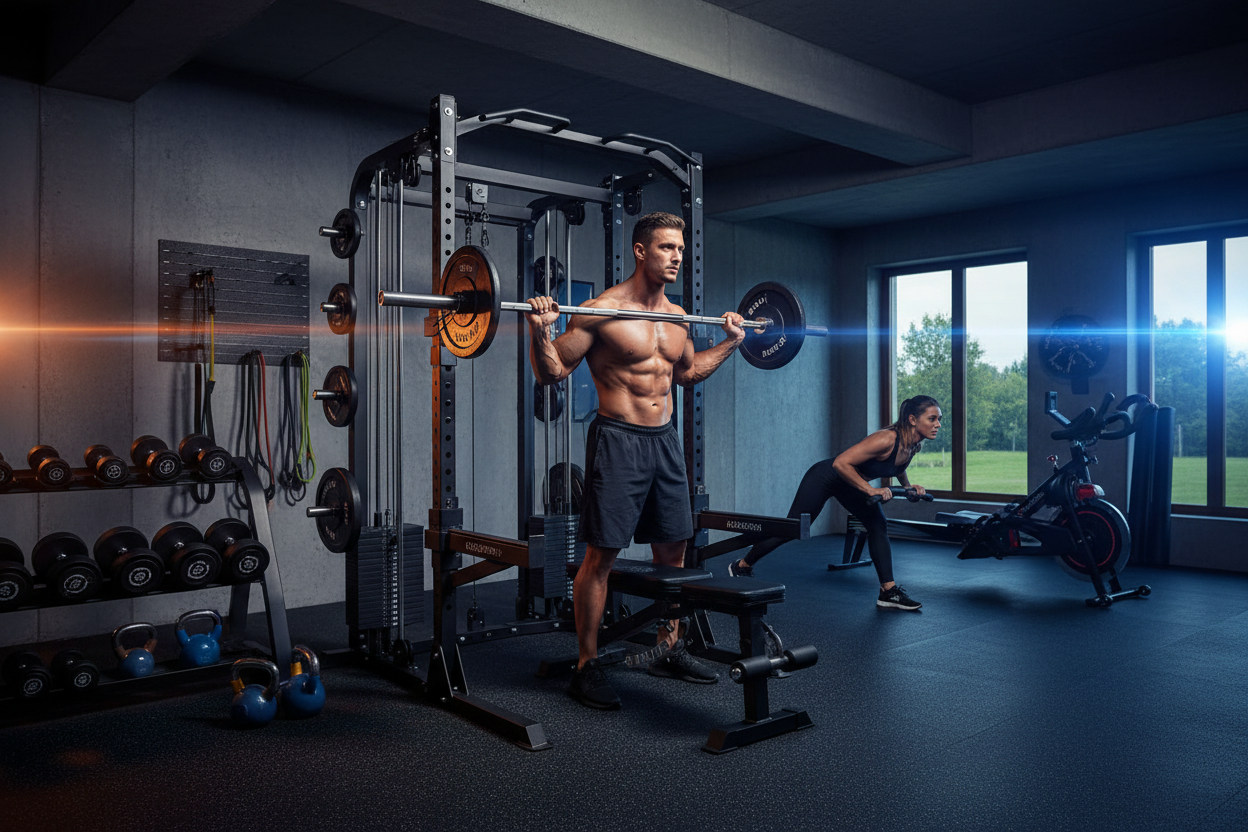
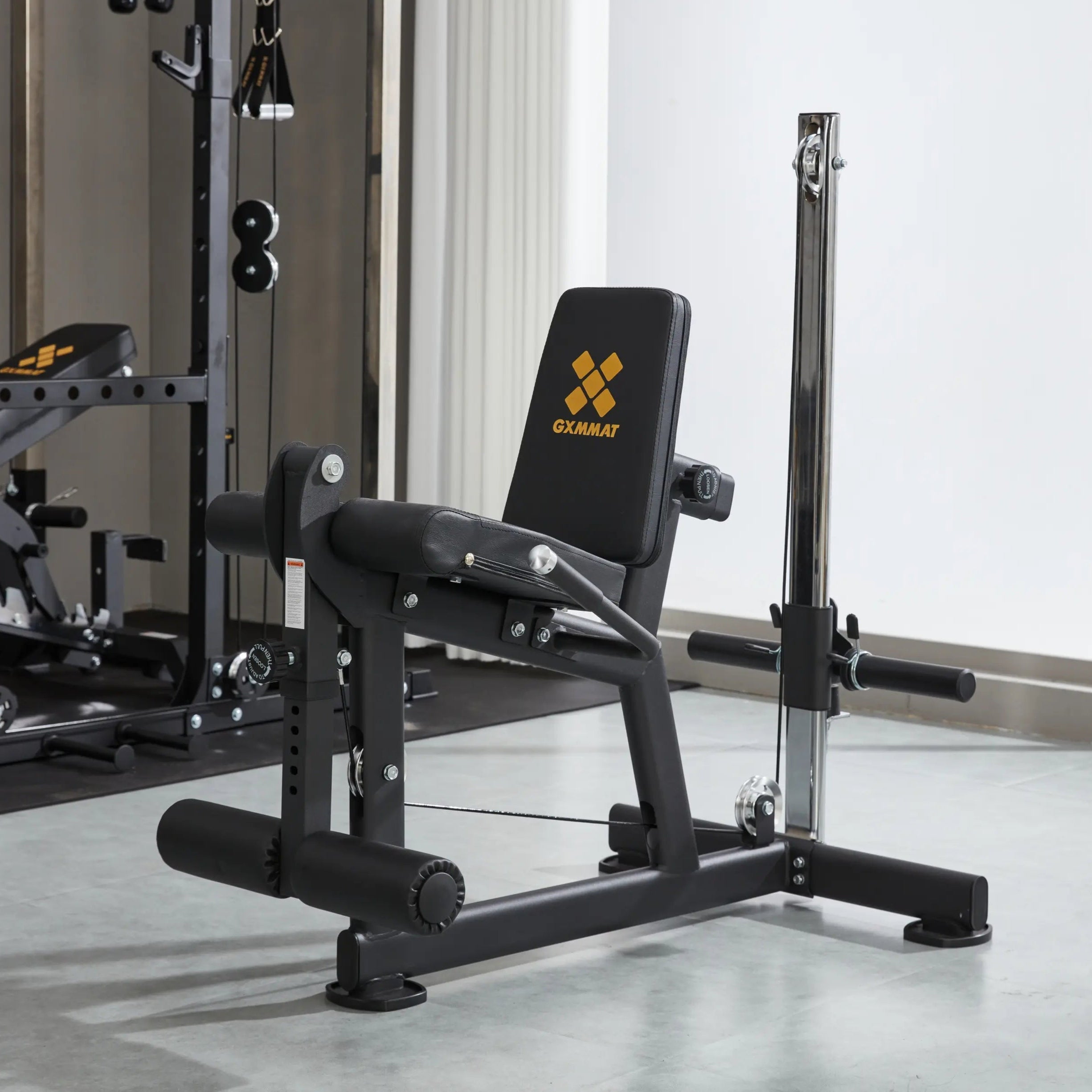
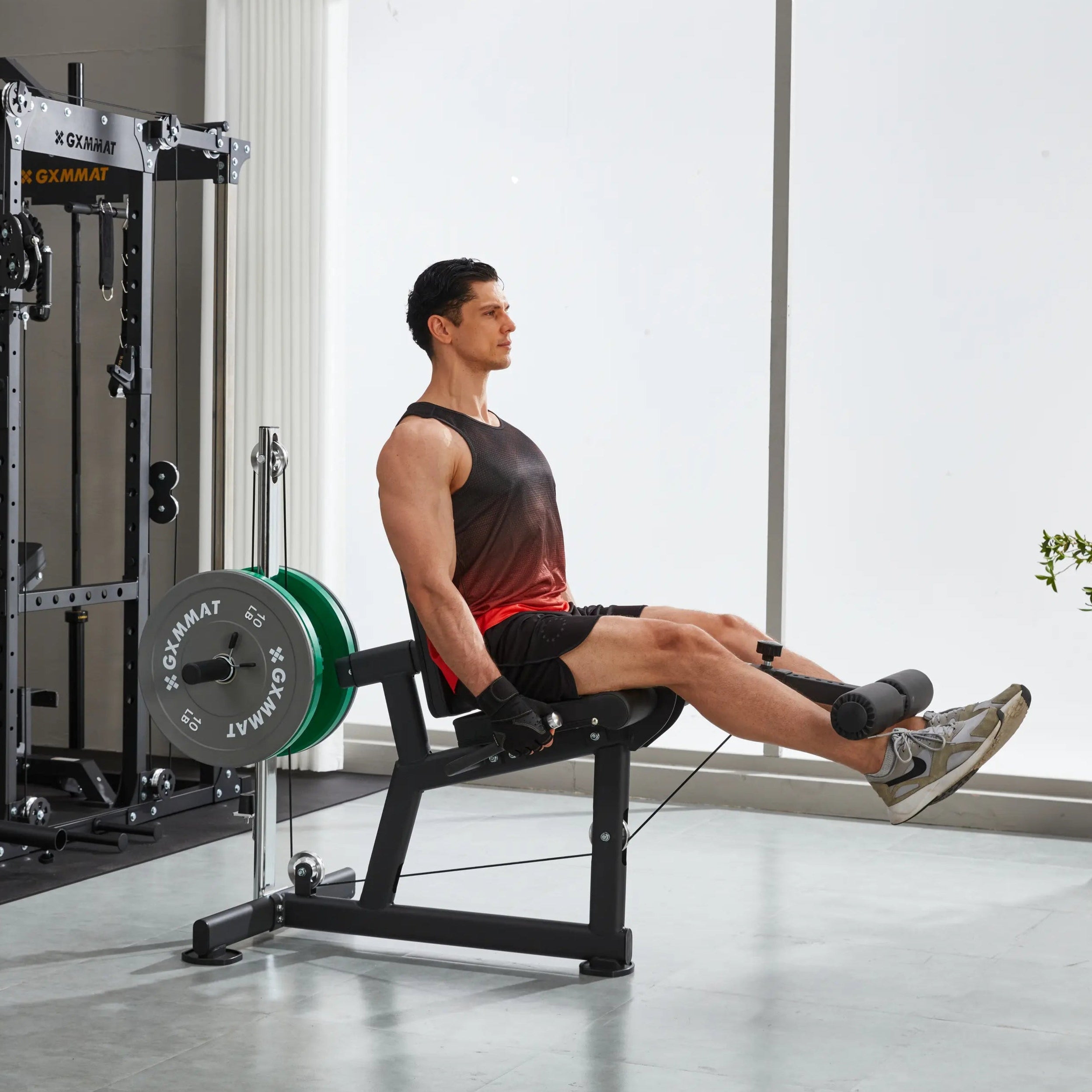
Most of us don't have 2,000 square feet to dedicate to training. This is where footprint efficiency becomes the deciding factor. Avoid single-use machines like a dedicated Leg Extension unit unless you have unlimited space. Instead, look for a rack with attachments.
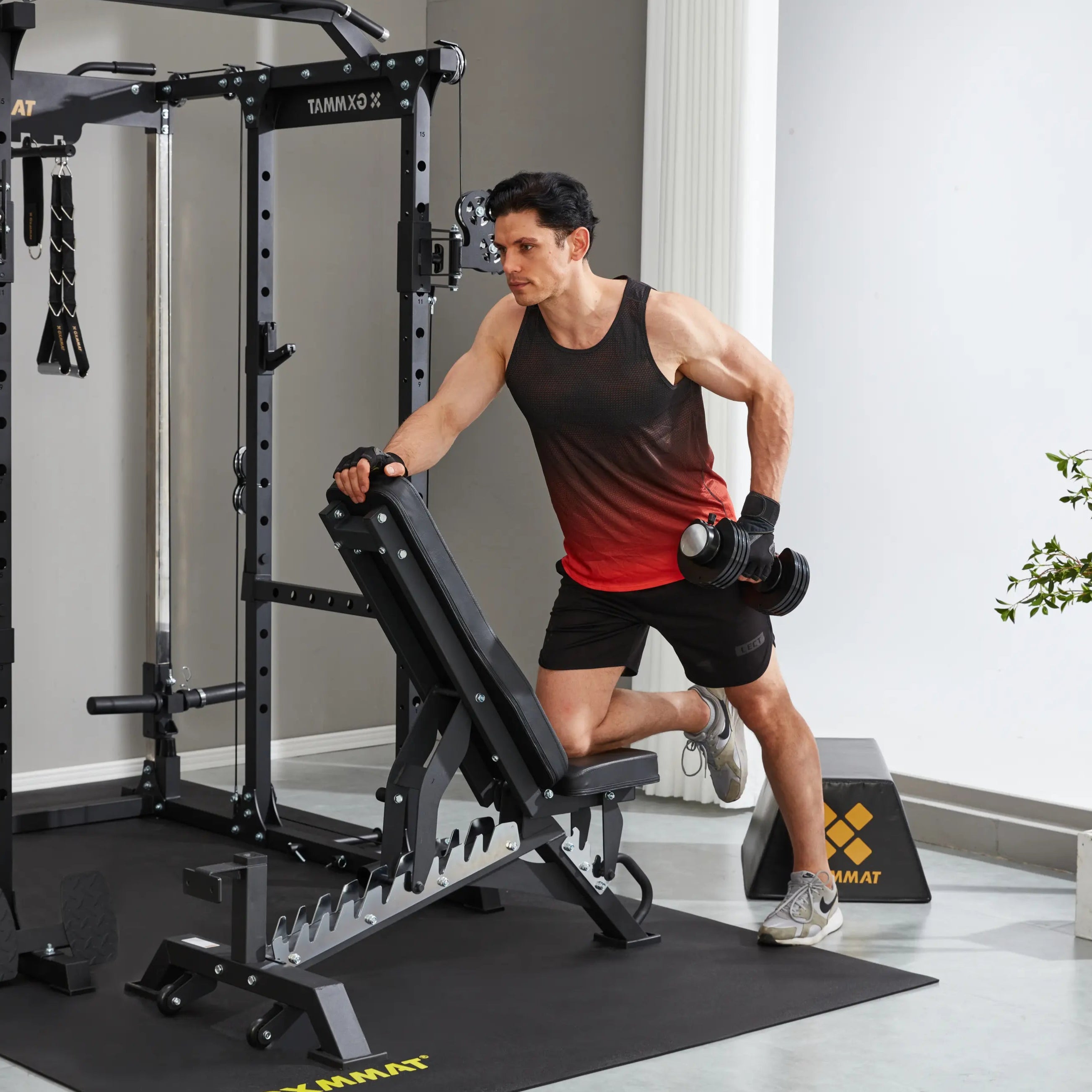
A power rack with a lat-pulldown attachment and jammer arms essentially replaces five different bulky stations. It transforms a 4x4 foot area into a complete strength facility. This is the gold standard for home gym efficiency.
My Personal Experience with best fitness machines
I want to be real with you about specs versus reality. A few years ago, I bought a budget-friendly "all-in-one" functional trainer online. On paper, it looked like the best deal of the century. It had a smith bar, cables, and a pull-up rig.
But the first time I loaded it up for a chest fly, I felt it. The drag. There was this gritty, sandy friction in the cables because the pulleys were cheap plastic on nylon bushings instead of sealed bearings. It didn't feel like 50lbs; it felt like 50lbs plus a brake pad rubbing against the wire. Furthermore, the uprights were so light that when I did a heavy lat pulldown, the back of the machine actually lifted two inches off the floor. I had to weigh the base down with sandbags just to feel safe.
That experience taught me a valuable lesson: high specs on a sales sheet don't mean smooth operation. Now, I always check the pulley material and the gauge of the steel before recommending anything. You can't train effectively if you're fighting the friction of the machine rather than the weight of the plates.
Conclusion
Building a home setup is an investment in your future self. Don't get distracted by flashing lights or subscription screens. Focus on the frame, the movement quality, and how the equipment fits your specific training style. The best machine is the one that feels good enough to use consistently, year after year.
Frequently Asked Questions
What is the absolute best machine for losing weight?
While diet controls weight loss, the rowing machine or air bike (assault bike) are generally considered the best exercises machines for burning calories. They utilize both the upper and lower body simultaneously, creating a higher metabolic demand than a treadmill or stationary bike.
Are expensive machines really worth the extra money?
Usually, yes, but up to a point. You are paying for stability and smoothness. Cheap machines often wobble or have "sticky" cables. However, you do not need commercial-grade $5,000 equipment for a home gym. Mid-range equipment often uses the same biomechanics as the high-end gear, just with fewer luxury finishings.
Can I build muscle with just machines?
Absolutely. While free weights are great for stabilizers, machines are often the best workout machine choice for hypertrophy (muscle growth) because they provide stability. This stability allows you to push closer to muscular failure safely, which is the primary driver of muscle growth.